
832-745-3320



Top Treatments for Bloating Relief That Fit You
September 14, 2026
That tight, stretched feeling after a meal can make even your favorite jeans feel wrong. The top treatments for bloating relief are not about doing more. They are about figuring out what your body needs right now, whether that is slower eating, help with constipation, better hydration, a little movement or professional guidance.
Bloating is common, but it is not one-size-fits-all. For some people, it shows up after restaurant meals or long travel days. For others, it comes with stress, cycle-related water retention, food sensitivities, constipation, or recovery after surgery. A thoughtful approach can help you feel more comfortable without guessing your way through every meal or wellness trend.
BLOATING VS. SWELLING: KNOW THE DIFFERENCE
Bloating usually means a feeling of fullness, pressure or a visibly puffed-out belly. It is often tied to gas, digestion, stool buildup or short-term changes in how your gut moves. Swelling is different. It may involve fluid held in the hands, legs, face or abdomen.
This difference really matters after cosmetic surgery. Swelling after a procedure is a normal part of healing for many people, and it needs a recovery plan built around your surgeon's instructions. It is not the same as everyday digestive bloating and should not be handled like it.
If bloating is severe, lasting, getting worse or comes with vomiting, fever, unexplained weight loss, blood in the stool, chest pain or strong belly pain, contact a medical professional promptly. Any new symptoms after a procedure should also be checked with your surgical team. If symptoms feel like an emergency, seek emergency care.
Top treatments for bloating relief at home
The best first steps are often simple, steady and personal. Instead of cutting out whole food groups at once, track patterns for a week or two. Write down when bloating shows up, what you ate and drank, your stress level, your bowel habits and where you are in your cycle. That gives you real information without turning meals into a project.
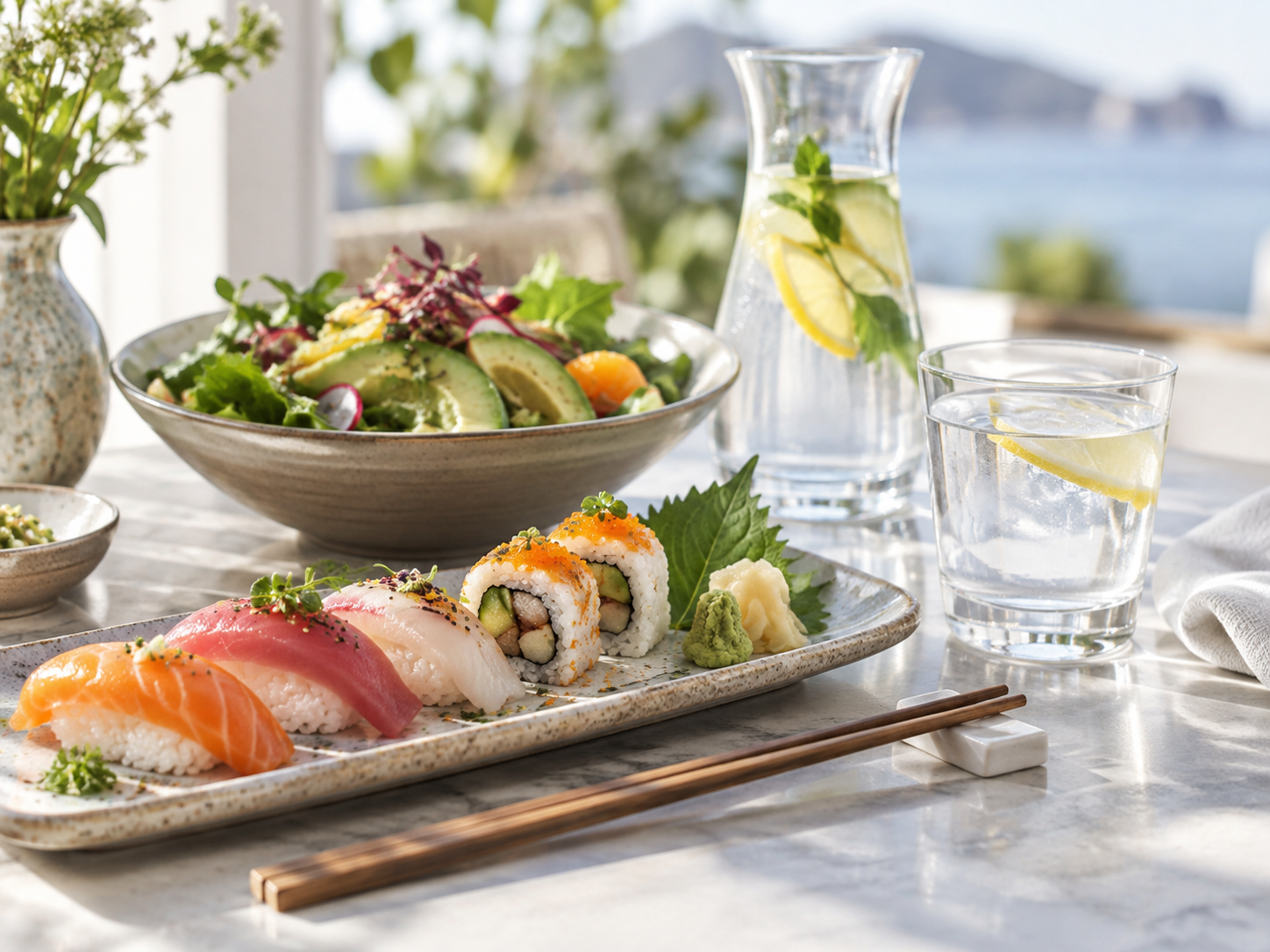
Slow down at meals. Eating fast can mean swallowing more air, especially when lunch happens between meetings, in the car or on your phone. Sit down when you can, chew well and pause a few minutes before seconds. Smaller meals may sit better than one large plate when your stomach already feels touchy.
Fizzy drinks, gum, hard candy and straws can add swallowed air for some people. You do not have to give them up for good. Just try cutting back on days your belly already feels full.
Keep digestion regular. Constipation is one of the most overlooked causes of bloating. When stool moves slowly, gas and pressure build up. Water, daily movement and a slow increase in fiber can help keep things moving.
Slow is the key word. Adding a lot of fiber powder, raw veggies or beans all at once can make gas worse before it gets better. Raise fiber gradually and drink enough fluids, which matters even more in Houston-area heat. Some people handle cooked vegetables, oats, kiwi, chia or a clinician-recommended fiber supplement better than a big diet overhaul.
Take a short walk. A gentle 10 to 20 minute walk after eating can help your gut move normally and ease that heavy, stuck feeling. It is not a workout you have to earn. Think of it as a small reset after sitting a long time, traveling or eating a richer meal, and a stroll along The Woodlands Waterway counts.
Stretching, slow yoga and deep belly breathing may also relax a tense abdomen. Stress does not cause every case of bloating, but your gut and nervous system are closely linked. When your body stays braced all day, digestion can feel it.
Use over-the-counter options with care. For occasional gas, some people get relief from simethicone products. Peppermint tea or enteric-coated peppermint oil may help some adults with cramping, though peppermint can make reflux worse for others. A pharmacist or healthcare provider can help you choose an option that fits your medications and health history.
Laxatives, diuretics and detox teas are not a casual fix for everyday bloating. Used too often, they can cause dehydration, electrolyte imbalance or dependence, or hide a problem that needs attention. If constipation keeps coming back, build a safe plan with a qualified clinician.
When food triggers play a role
Some foods are more likely to cause gas because they ferment in the gut. Common ones include beans, onions, garlic, dairy, wheat-based foods, sugar alcohols and certain fruits. Still, a food that bloats one person may be fine for another.
That is why cutting out lots of foods can backfire. Dropping dairy, gluten, legumes, fruit and vegetables all at once can make eating exhausting and shrink the variety in your diet. A better approach is to pick one likely trigger, change one thing at a time and get help from a registered dietitian or physician if symptoms continue.
If you are lactose intolerant, lactose-free dairy or a lactase enzyme may help. For people with IBS, a clinician-guided low-FODMAP plan can be useful for a short time, followed by careful reintroduction. The goal is not a tiny food list forever. It is confidence about what your body handles well.

Professional BLOATING SUPPORT IN THE WOODLANDS
Sometimes bloating is part of a bigger picture: fatigue after travel, uneven hydration, a tough training schedule, stress or recovery from surgery. Personalized wellness care can add to healthy daily habits. It does not replace a medical diagnosis or a balanced routine.
Physician-supervised IV hydration may be a fit for selected clients who are dehydrated or want hydration support after an assessment. It is not a cure for food intolerance, chronic constipation or digestive disease, but good hydration can help how you feel when low fluid intake is part of the problem.
For surgical recovery, manual lymphatic drainage may be part of a provider-approved plan to support comfort and your body's own handling of post-op swelling. Timing, technique and clearance matter. The session should match your procedure, healing stage and surgeon's guidance rather than being booked as a generic massage.
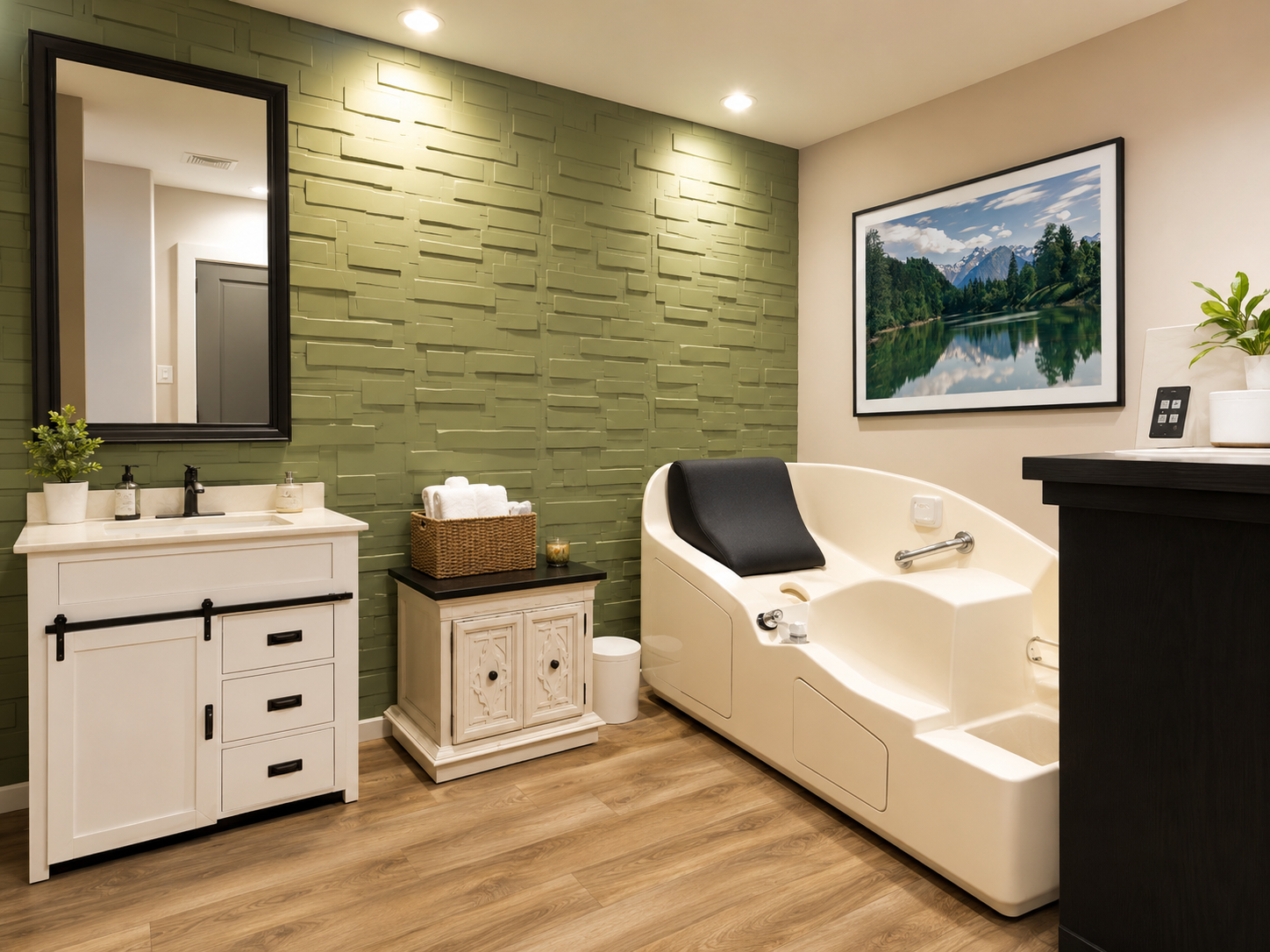
Colonics, also called colon hydrotherapy, are another option some adults choose when they feel constipated or want digestive support. They are not right for everyone and should never be used for severe pain, unexplained symptoms, inflammatory bowel disease or bowel obstruction. A thorough health screening and a properly trained practitioner are essential. If bloating happens often, start by understanding the cause instead of chasing quick relief again and again.
How Detoxity supports your comfort:
- We don't guess, we test. Our on-site physician can order labs when needed
- Colon hydrotherapy after a health screening
- Physician-supervised IV hydration for selected clients
- Enhanced manual lymphatic drainage for surgeon-cleared post-op swelling
At Detoxity Holistic MediSpa, we focus on a calm, personal experience that respects both your comfort and clinical guidance. Your best plan may be as simple as hydration and restorative care, or it may include a referral back to your physician for more evaluation.
signs it is time to look deeper
Occasional bloating after a salty meal, a long flight or a weekend of celebrating is usually manageable. Recurring symptoms deserve more attention, especially when they get in the way of daily life or change suddenly.
Talk with your healthcare provider if you have bloating most days, ongoing constipation or diarrhea, pelvic pain, painful periods, feeling full early when eating or symptoms that wake you at night. Conditions like IBS, celiac disease, lactose intolerance, endometriosis, thyroid disorders and other digestive or gynecologic issues can overlap with bloating. Getting answers is self-care, not overreacting.
Your body does not need punishment after a bloated day. Give it water, gentle movement, nourishing food and the right level of support. Feeling lighter often starts with listening closely, then choosing care that helps you feel restored.
Ready to feel lighter and more at ease?
Visit Detoxity Holistic MediSpa at 329 Sawdust Rd, The Woodlands, TX 77380, serving Spring, Conroe and north Houston. Call or text 832-745-3320 to book a colonics consultation, IV hydration or a visit with our physician-supervised team.

the perfect spa gift!

Ultimate spa STRESS RELIEF

Physician supervised wellness treatments pair personalized screening and restorative care to support hydration, recovery, stress relief, and wellness goals

Learn how to improve circulation naturally with movement, hydration, recovery, and expert-supported care for healthier, more comfortable days at home.

Recovering from lipo, tummy tuck, or a BBL? Learn how often to book lymphatic drainage massage, when to start, and how to reserve your recovery sessions at Detoxity

Our guide to HOCATT ozone therapy explains what a session feels like, who should pause, and how to prepare for a calm, informed wellness visit today.

A calm, surgeon-first roadmap for post-op recovery: prep, swelling, lymphatic
drainage, nutrition and warning signs. Recovery care in The Woodlands, TX.

Parasites: the hidden disruptor of metabolism & health by: Ann Louise Gittleman, PhD, CNS, New York Times bestselling author of Guess What Came to Dinner?
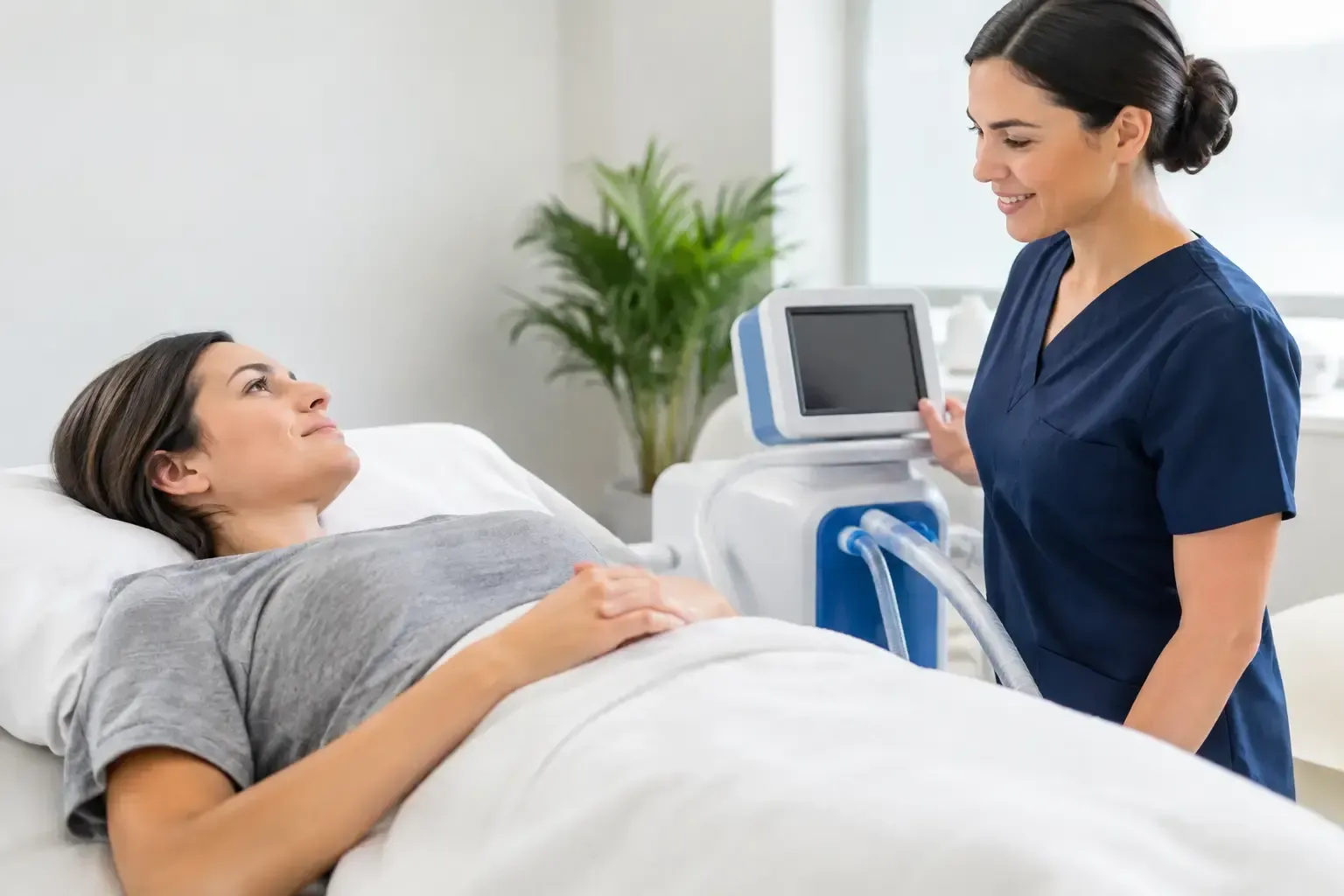
An honest colon hydrotherapy review: how a colonic feels, how to prepare,
benefits, limits and safety. Physician-supervised colonics in The Woodlands,
TX.

Learn 7 ways to improve hydration absorption, from electrolytes to food, and
when physician-supervised IV hydration in The Woodlands may fit.