
832-745-3320



Physician Supervised Wellness Treatments Explained
September 30, 2026
A wellness appointment should feel calming, but it should never leave you guessing about whether a treatment is right for your body. That is the difference physician supervised wellness treatments can make. They bring medical guidance, thoughtful screening, and personalized care into the same experience as restorative therapies that help you reset, recover, and feel supported from the inside out.
For someone recovering from cosmetic surgery, managing persistent stress, dealing with fatigue, or simply taking a more intentional approach to self-care, that added level of oversight matters. It means your care is not built around a one-size-fits-all menu. It starts with you - your health history, symptoms, goals, comfort level, and the kind of support you need right now.
What Physician Supervised Wellness Treatments Mean
Physician supervision does not mean every wellness visit feels like a cold clinical appointment. At the right medispa, it means medical standards and spa-level comfort work together. A physician helps establish protocols, guide clinical decisions, and create safety standards for treatments that may require deeper consideration than a traditional spa service.
Depending on the therapy, a trained team may review relevant health history, medications, allergies, recent procedures, current symptoms, and wellness goals before treatment begins. That conversation can help identify when a service is appropriate, when it should be modified, and when it may be better to pause or seek care from your primary provider or surgeon first.
This is especially meaningful for treatments involving IV nutrients, post-surgical recovery support, advanced detox-focused modalities, or services intended to support circulation and lymphatic flow. Feeling your best should never require you to minimize your medical history or push through discomfort.
Why Oversight Matters for Recovery and Wellness
Wellness treatments are often marketed as quick fixes. Real care is more thoughtful. Hydration, rest, therapeutic touch, stress relief, and recovery support can be powerful parts of a wellness routine, but the right plan depends on the person receiving it.
Consider a client who is several weeks into recovery from a mommy makeover or breast reduction. Swelling, tenderness, mobility limits, and surgeon instructions all affect which services may be appropriate. Manual lymphatic drainage may be a helpful complement to a surgeon-approved recovery plan, while deep pressure massage or body contouring may not be appropriate at that stage. Professional guidance helps keep the focus on comfort, timing, and safe progression.
The same principle applies to IV therapy. An IV drip can be an appealing option when you want hydration or nutrient support, particularly after travel, an intense week, or a period of low energy. Yet hydration needs are not identical for everyone. A thorough intake and medically guided protocols help ensure the experience is aligned with your individual circumstances rather than chosen solely because a popular drip sounded appealing.
Physician-led oversight also creates a clearer path if questions arise during your care. Instead of trying to sort through conflicting wellness advice online, you have a team that can help you understand what a therapy is designed to support and what it is not designed to treat.
A Personalized Plan Feels Different
The best wellness plan is not necessarily the most intensive one. Sometimes your body needs a restorative massage, quiet float session, and a chance to slow down. At other times, you may be seeking targeted post-op support, hydration, or a series of lymphatic treatments to help you stay consistent with recovery care.
Personalization may include the type of service recommended, the pace of your appointments, the pressure used during bodywork, or the decision to combine treatments. It can also mean being told that a treatment is not the best match for you today. That kind of honesty is part of compassionate care.
At Detoxity MediSpa, the goal is to create an experience that feels both elevated and grounded. You can receive specialized wellness and recovery services in a soothing environment without losing the reassurance that comes from physician-led standards and individualized attention.
Treatments That Benefit From Thoughtful Guidance
Many restorative services can be enjoyed as part of a regular self-care routine. Others call for more detailed screening, particularly if you have had recent surgery, are managing a chronic health concern, are pregnant, or take prescription medications.
IV drip therapy is one example. A personalized consultation can help determine whether an IV experience aligns with your hydration and wellness goals. It is not a substitute for emergency care, treatment for an illness, or ongoing medical management, but it can be a supportive part of an intentional wellness routine when appropriately selected.
Post-surgical lymphatic drainage is another area where timing and technique matter. Gentle, specialized care may support comfort and help clients navigate the normal recovery process after cosmetic procedures. Your surgeon's instructions should always lead the way, and your wellness provider should work within those boundaries rather than make promises that bypass medical recovery guidelines.
Services such as colon hydrotherapy, HOCATT ozone sauna sessions, EBOO therapy, body sculpting, and therapeutic massage also deserve a conversation before booking. Each has different goals, sensations, limitations, and contraindications. A reputable team will explain what to expect, answer direct questions, and avoid presenting any therapy as a cure-all.
Questions Worth Asking Before You Book
A beautiful space and a trending treatment are not enough reasons to move forward. Before scheduling, ask how the provider screens clients, whether a physician oversees the service, and what training the treatment team has completed. You should also feel comfortable asking who is a good candidate, who should avoid the treatment, and what sensations or aftereffects are normal.
If you are recovering from surgery, bring your surgeon's aftercare instructions and be upfront about your procedure date. If you have a medical diagnosis, implanted device, history of blood clots, kidney concerns, heart conditions, or medication changes, share that information. Transparency gives your care team the information they need to guide you appropriately.
A quality wellness center will welcome these questions. You should never feel rushed into an add-on, pressured into a package, or made to feel difficult for asking about safety. The right recommendation is the one that respects your body, your budget, and your current stage of recovery.
What Results Can You Realistically Expect?
Results vary, and that is not a disappointing answer - it is an honest one. Some clients leave a hydration session feeling refreshed that day. Others notice that regular massage, float therapy, or lymphatic care helps them feel more relaxed and consistent in their recovery routine over time. Your response can depend on sleep, stress, nutrition, activity, underlying health factors, and how closely you follow post-op instructions.
Wellness services work best when they complement the basics rather than replace them. Adequate water, nourishing meals, movement that is appropriate for your body, restorative sleep, and communication with your medical providers all matter. Think of your appointments as dedicated support for the habits and healing practices that help you feel well beyond the treatment room.
Choosing Care That Supports the Whole You
The value of physician supervised wellness treatments is not simply access to advanced services. It is the confidence of knowing that your experience begins with care, not assumptions. You deserve a place where questions are encouraged, recovery is respected, and feeling better does not have to come at the expense of feeling safe.
Whether you are preparing for a demanding season, giving your body focused support after surgery, or making self-care a more consistent part of your life, choose a team that sees the full picture. The most restorative appointment is often the one that leaves you feeling cared for, informed, and ready to keep showing up for yourself.
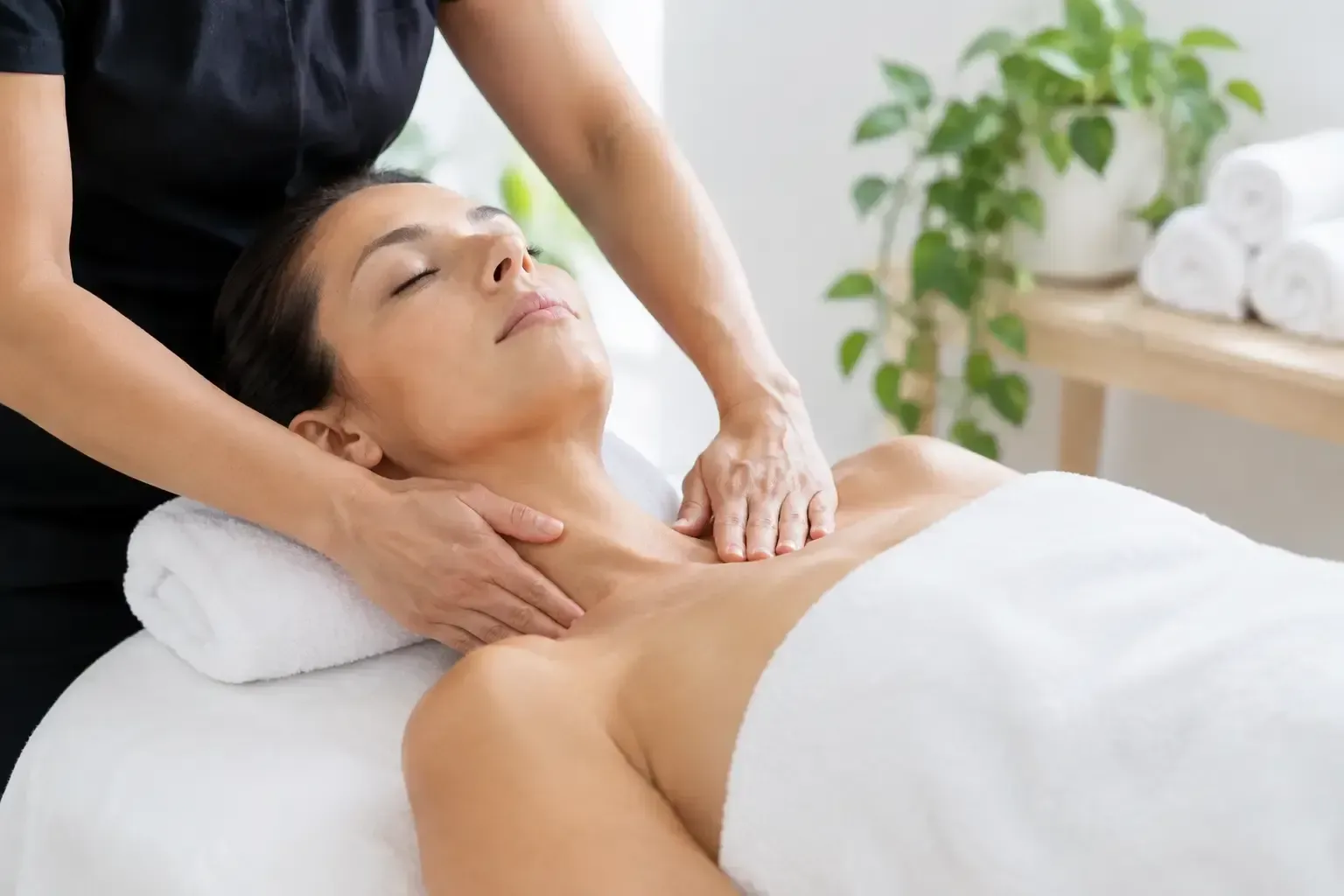
Recovering from lipo, tummy tuck, or a BBL? Learn how often to book lymphatic drainage massage, when to start, and how to reserve your recovery sessions at Detoxity
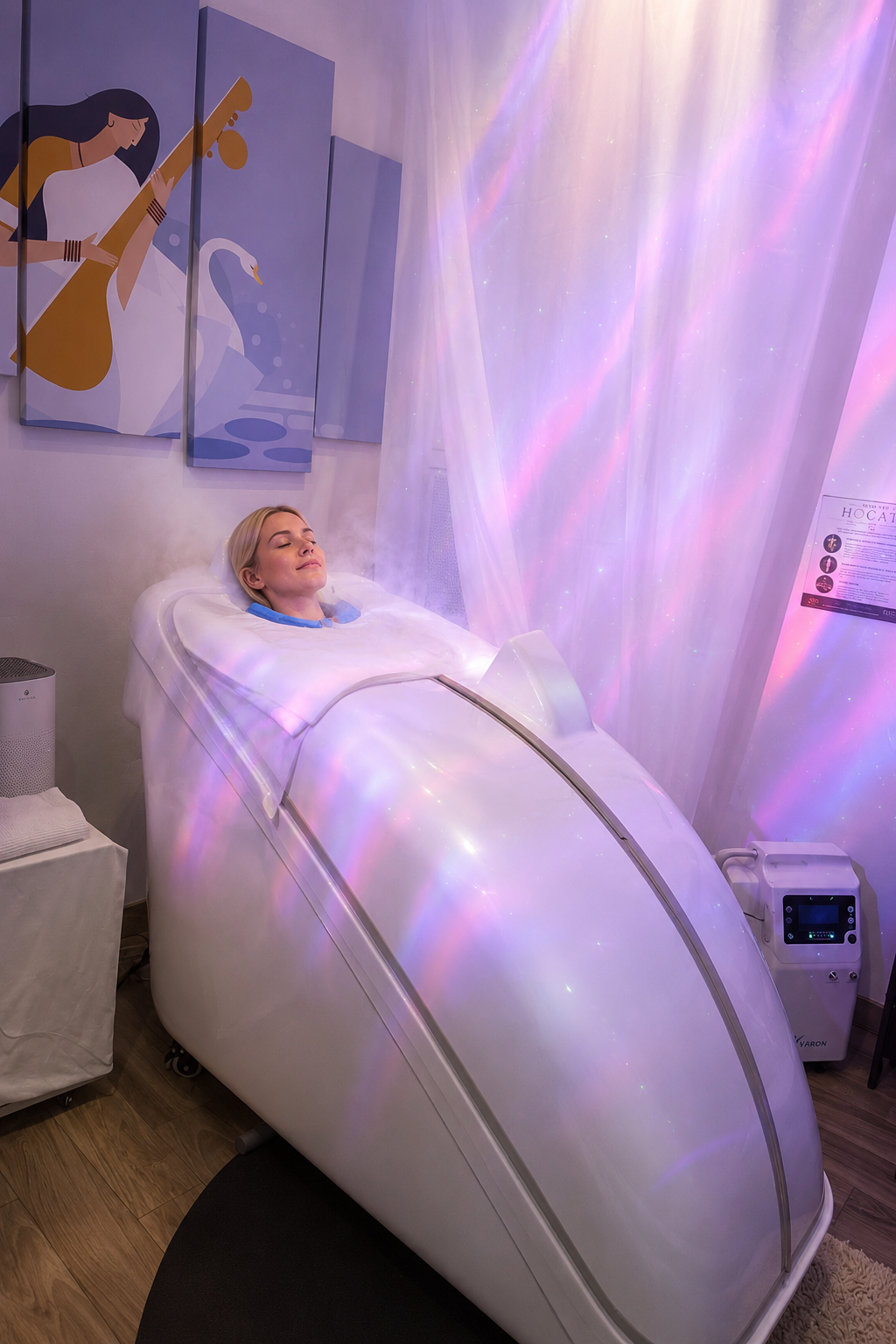
Discover HOCATT, the advanced ozone sauna at Detoxity MediSpa in The Woodlands. Learn what a session feels like, its benefits, and how to book your first reset.

Parasites: the hidden disruptor of metabolism & health by: Ann Louise Gittleman, PhD, CNS, New York Times bestselling author of Guess What Came to Dinner?

Learn how to prepare for colon hydrotherapy with practical food, hydration, comfort, and safety guidance for a calm, supported appointment experience.

Because Detoxing is a lifestyle

NAD+ supports cellular energy, metabolic efficiency, and recovery as part of a longevity-focused, stage-based wellness approach.

Detoxity's Longevity Reset supports cellular energy, detox pathways, and circulation through a structured, stage-based longevity wellness approach.

Seasonal health awareness supports longevity by aligning prevention, heart health, circulation, and gut wellness with the body's natural rhythms.

Because detoxing is a lifestyle!

Read Detoxity’s November newsletter for medical spa updates, wellness education, featured services, seasonal offers and news from The Woodlands.