
832-745-3320

Lymphatic Massage After BBL in The Woodlands, TX
...Because Detoxing Is A Way Of Life
November 9, 2026
BBL Recovery
The first days after a Brazilian butt lift can feel like a careful balancing act: you want relief from swelling and tightness, but you also need to protect your surgical results. Lymphatic massage after BBL is a specialized, gentle part of recovery for many patients in The Woodlands, TX, especially when it is coordinated with the instructions from their board-certified plastic surgeon.
This is not a deep-tissue spa massage or a one-size-fits-all service. Post-op lymphatic drainage is designed around where you are in healing, how your body is responding, and the specific procedures you had. The goal is to provide comfortable, thoughtful support while your body does the essential work of recovery.
What Is Lymphatic Massage After BBL?
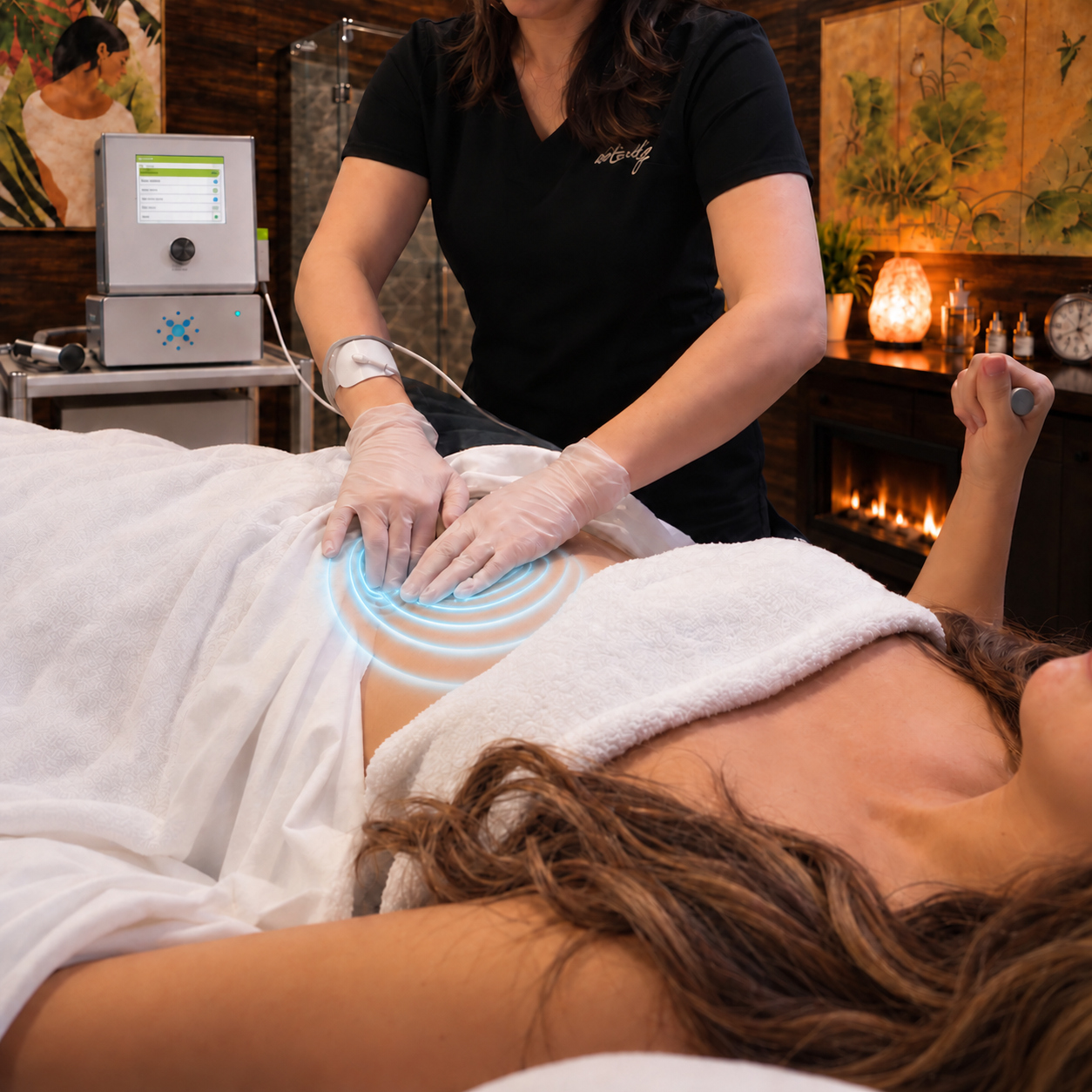
A BBL, or Brazilian butt lift, involves liposuction to remove fat from selected areas and fat transfer to the buttocks. Although each surgery plan is different, swelling, fluid buildup, bruising, tenderness, and restricted movement are common during the early healing period.
Manual lymphatic drainage uses very light, rhythmic strokes intended to encourage the movement of lymphatic fluid toward healthy drainage pathways. After surgery, this may help support the body's natural fluid-clearing process and may ease the feeling of fullness or congestion that can accompany swelling.
The pressure should be gentle. A massage that feels aggressively painful is not automatically more effective, and more pressure is not better after surgery. Your tissues are healing, your incisions may still be tender, and transferred fat requires protection. A trained post-op provider should adjust the session based on your tolerance, your surgeon's protocol, and your stage of recovery.
After a BBL, the goal is to support liposuction areas while protecting the transferred fat.
Why Post-Op Drainage Can Feel So Helpful
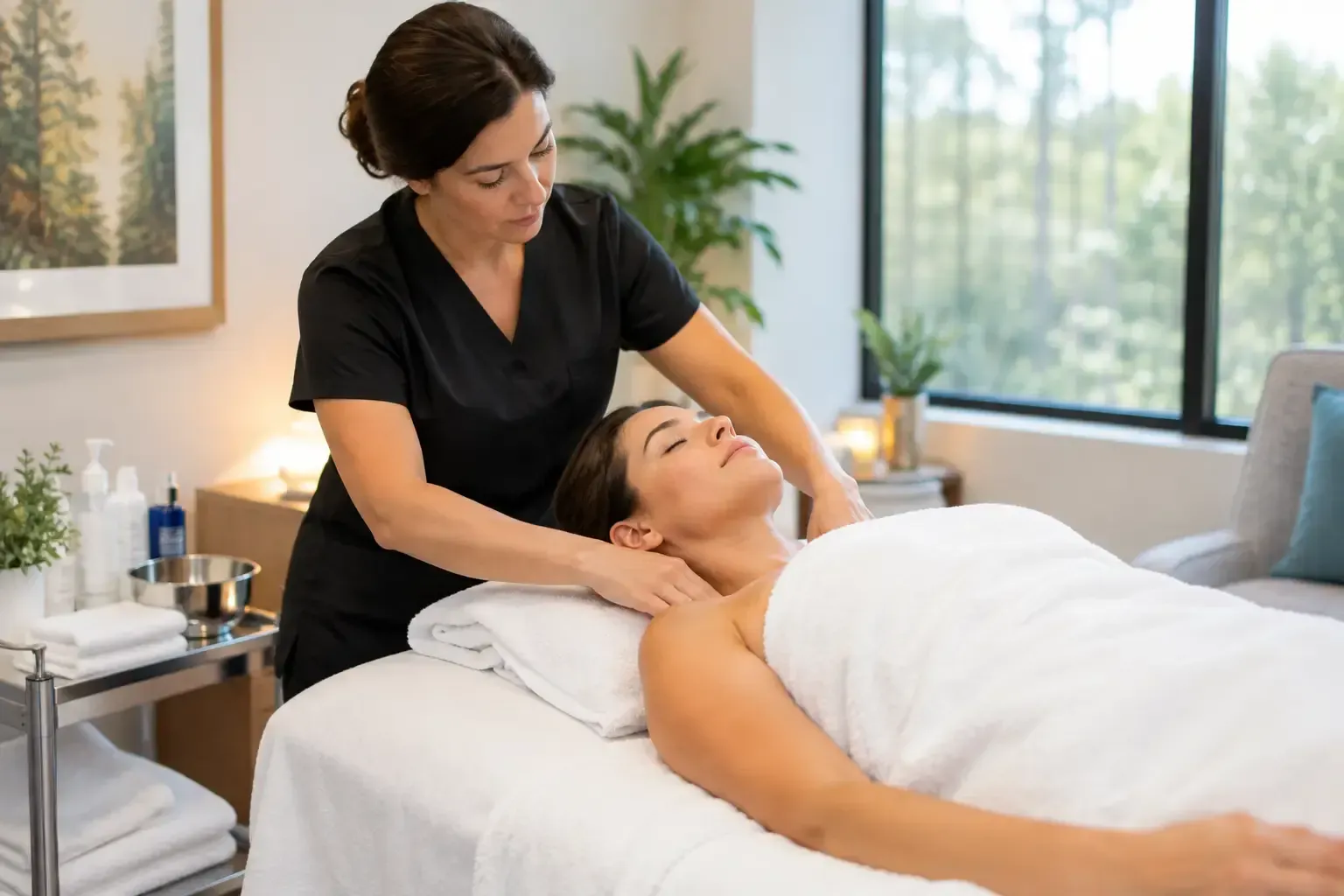
Swelling is a normal healing response, but it can make daily life uncomfortable. Clothing may feel restrictive, movement may feel awkward, and areas treated with liposuction can feel firm, numb, or sensitive. Gentle lymphatic work may support comfort and mobility while helping clients feel more at ease in their recovery routine.
Many clients also appreciate the calm, hands-on guidance. Recovery can be emotionally demanding, particularly when your body looks different from day to day. A qualified provider can help you understand what a session is intended to address, what sensations are expected, and when a concern belongs with your surgical team instead.
That said, lymphatic massage is not a substitute for your surgeon's care. It does not replace compression garments, prescribed medication, walking as directed, hydration, wound care, follow-up appointments, or any other part of your post-operative plan. It also cannot guarantee a particular aesthetic result or prevent every complication.
When Should You Start?
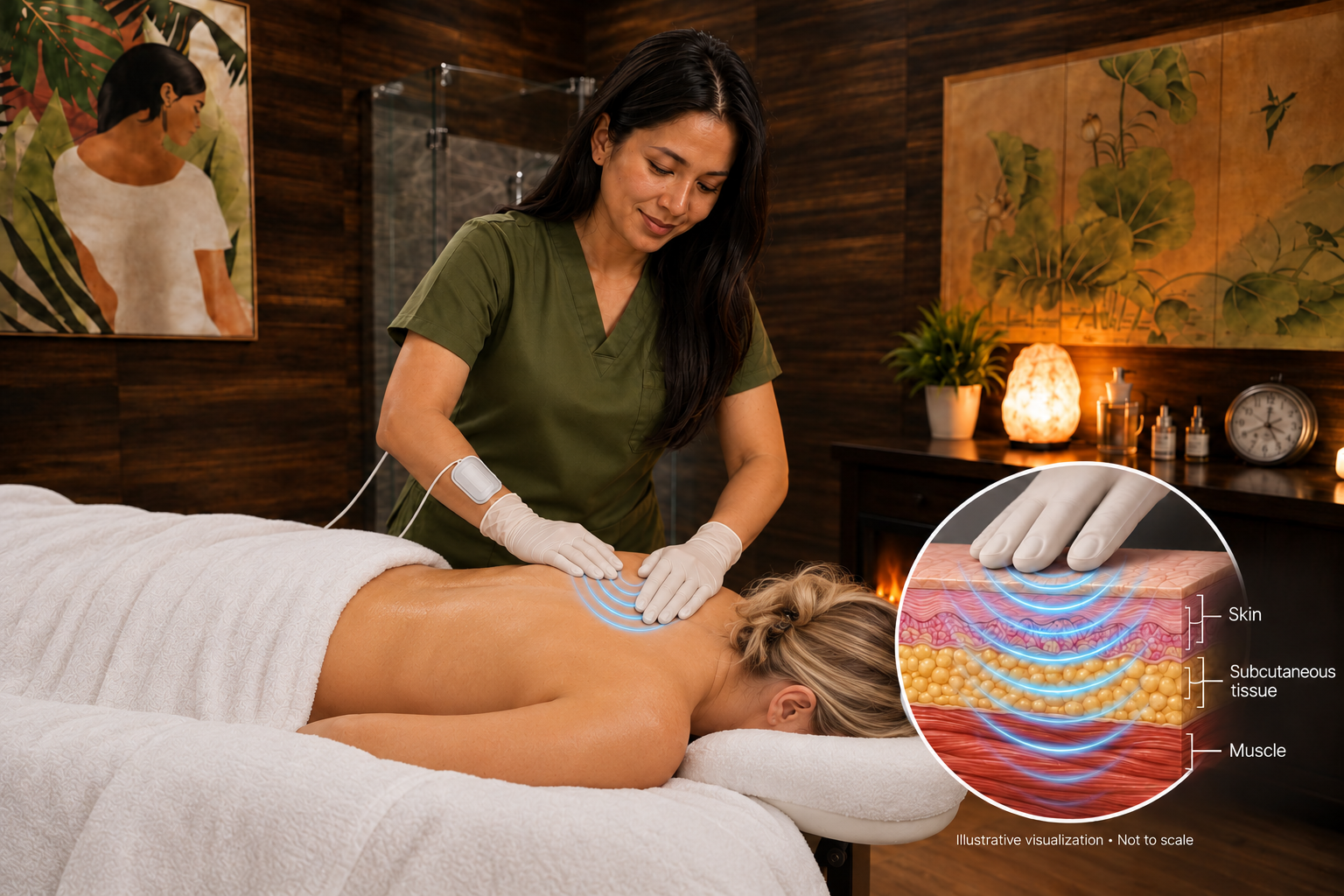
The right timing depends on your surgeon and your procedure. Some surgeons approve gentle post-op drainage within days, while others prefer a different schedule based on incisions, drains, liposuction areas, medical history, or how healing is progressing. Always get clearance first, including guidance on where massage is appropriate and which areas must be avoided.
For many people, the earliest sessions focus on very light drainage around approved areas rather than direct pressure on the buttocks. The transferred fat needs to be protected from pressure, which is why BBL recovery often includes strict sitting and sleeping instructions. Your massage provider should respect those restrictions throughout positioning and treatment.
Do not schedule based only on a friend's recovery timeline or a social media recommendation. Even when two patients have the same procedure name, their surgical technique, health history, amount of liposuction, and recovery plan may be very different.
How Many Sessions Will You Need?
There is no universal number. Some surgeons recommend a concentrated series of appointments early in recovery, followed by less frequent visits. Others may suggest a different approach, particularly if swelling is mild or healing is progressing smoothly.
Your provider can help create a practical schedule around your surgeon's recommendations, travel plans, compression garment changes, and energy level. The best plan is one you can follow without overextending yourself. Recovery is not a race, and adding more sessions than your body or surgeon recommends is not necessarily beneficial.
Lymphatic massage supports recovery. It does not sculpt results or replace your surgeon’s care.
What Happens During a Post-Op Lymphatic Session?

A professional session should begin with a conversation, not an assumption. Your provider may ask about your surgery date, procedures performed, medications, drains, incision status, garment instructions, pain level, and surgeon's directions. Bringing written post-op instructions can be useful, especially if your recovery plan has specific restrictions.
Treatment commonly includes light manual techniques across approved areas to support lymph flow. Depending on the provider's training and your surgeon's guidance, the session may also include gentle work around areas affected by liposuction, such as the abdomen, flanks, back, arms, or thighs. You should be positioned carefully to avoid pressure on the buttocks.
You may notice that you need to use the restroom more often after a session, or that you feel relaxed and less tight. Results and sensations vary. Some tenderness can be expected after surgery, but sharp pain, worsening discomfort, or feeling unwell should never be brushed off as part of the process.
Why BBL clients in The Woodlands choose Detoxity
- Post-op lymphatic team led by a certified lymphedema therapist (CLT)
- Enhanced manual lymphatic drainage with Hivamat deep oscillation
- Physician on site and surgical drain removal
- Positioning that respects your surgeon’s sitting and pressure rules
What Lymphatic Massage Cannot Do
Clear expectations protect both your health and your peace of mind. Lymphatic drainage may support post-op comfort and swelling management, but it cannot sculpt the body, melt fat, repair a surgical issue, or guarantee that fibrosis will not occur. It should never be marketed as a replacement for skilled surgery or medical follow-up.
It also is not appropriate to push through warning signs. Contact your surgeon promptly if you have increasing redness, warmth, drainage from an incision, fever, chills, severe or sudden pain, shortness of breath, chest pain, one-sided leg swelling, or any symptom that feels concerning. These symptoms need medical assessment, not massage.
If you have a history of blood clots, a heart or kidney condition, active infection, uncontrolled medical concerns, or other health factors, ask your physician and surgeon whether lymphatic work is appropriate. A responsible recovery provider welcomes those conversations and knows when to pause treatment.
Supporting Your Recovery Between Appointments
The small daily choices matter. Follow your compression garment protocol, take short walks if cleared, stay hydrated, eat nourishing meals with adequate protein, and keep every surgical follow-up. Make your rest setup as easy as possible so you can avoid sitting or lying directly on the buttocks when your surgeon has instructed you not to do so.
Avoid adding intense exercise, heat-based services, or new wellness treatments without surgical clearance. Even relaxing treatments can be poorly timed in the earliest phase of recovery. Your body has a lot to manage, and the most supportive approach is often the one that is measured and consistent.
Choosing a Post-Op Massage Provider
Look for a provider who understands that post-surgical care is different from a standard massage appointment. They should ask detailed intake questions, respect physician instructions, use light and appropriate techniques, and communicate clearly about when to contact your surgeon.
A clean, calming environment matters too. You deserve recovery care that feels restorative without losing sight of safety. At Detoxity MediSpa, post-surgical lymphatic drainage is approached with personalized attention, a soothing setting, and respect for the medical plan guiding your healing.
Your BBL recovery deserves patience, professional support, and room for your body to heal at its own pace. If you are considering lymphatic massage after BBL, begin with your surgeon's approval, then choose care that makes you feel informed, comfortable, and supported in The Woodlands, TX.
Lymphatic Massage After BBL FAQs
When can I get lymphatic massage after a BBL?
Only when your surgeon approves it. Some allow gentle sessions within days, while others prefer to wait.
Will lymphatic massage after BBL affect my fat transfer?
A trained provider avoids direct pressure on the buttocks early in recovery and focuses on approved liposuction areas to protect the transferred fat.
How many lymphatic sessions do I need after a BBL?
There is no set number. Many clients start with a concentrated series early on, then space visits out as swelling eases.
Does post-BBL lymphatic massage hurt?
It should be gentle. Some tenderness is normal after surgery, but the massage should not be painful.
Can I sit during a post-BBL session?
Your provider will position you based on your surgeon’s instructions, usually avoiding sitting directly on the buttocks.
Where can I get lymphatic massage after BBL in The Woodlands, TX?
Detoxity Holistic MediSpa at 329 Sawdust Rd offers post-surgical lymphatic drainage for clients from The Woodlands, Spring, Conroe and north Houston. Call or text 832-745-3320.
Book Post-BBL Lymphatic Care in The Woodlands
Visit Detoxity Holistic MediSpa at 329 Sawdust Rd, The Woodlands, TX 77380. Call or text 832-745-3320 to plan sessions around your surgeon’s clearance.
Call or Text 832-745-3320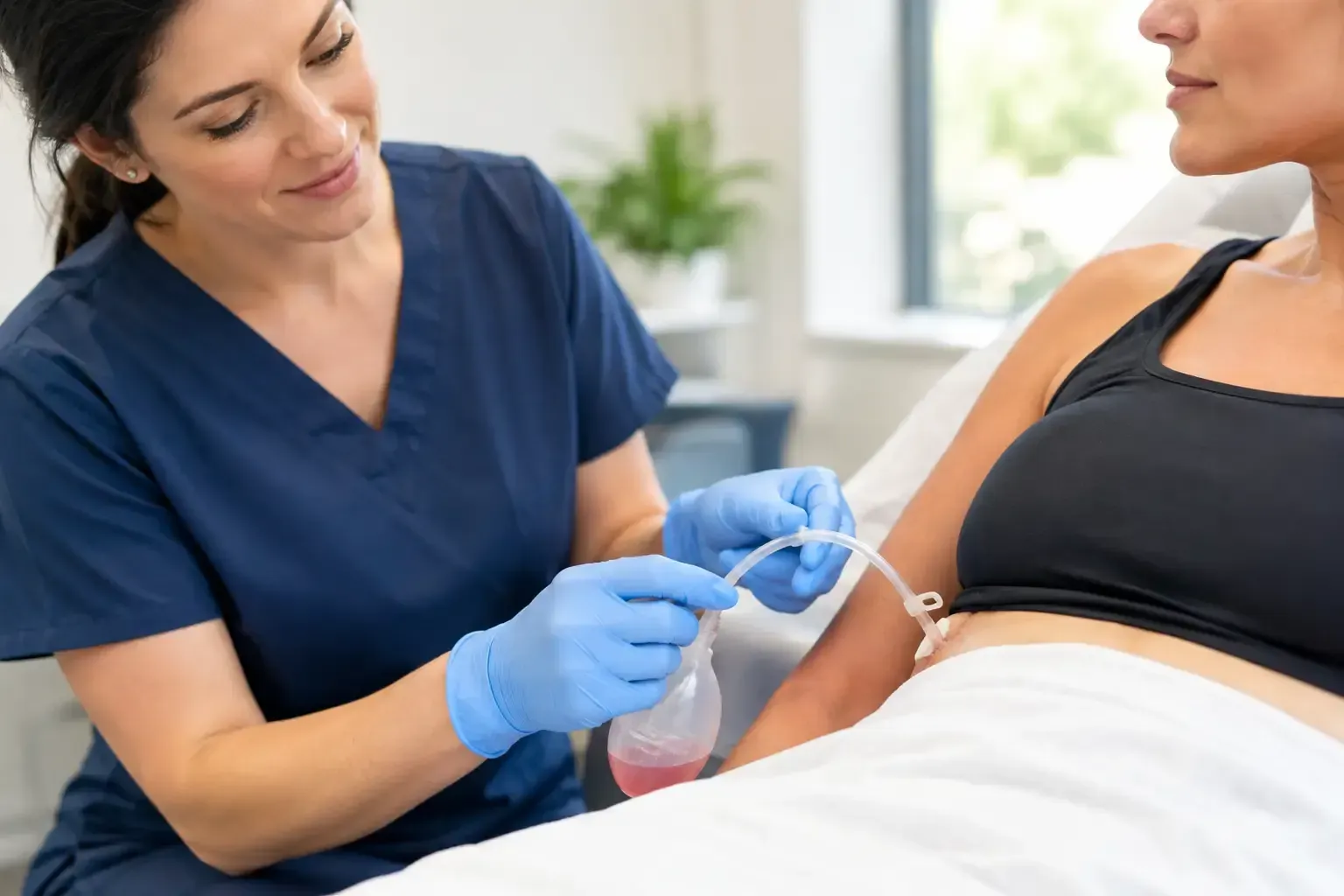
Surgical drain removal after plastic surgery: learn what timing, comfort, warning signs, and aftercare look like for a more confident recovery at home.
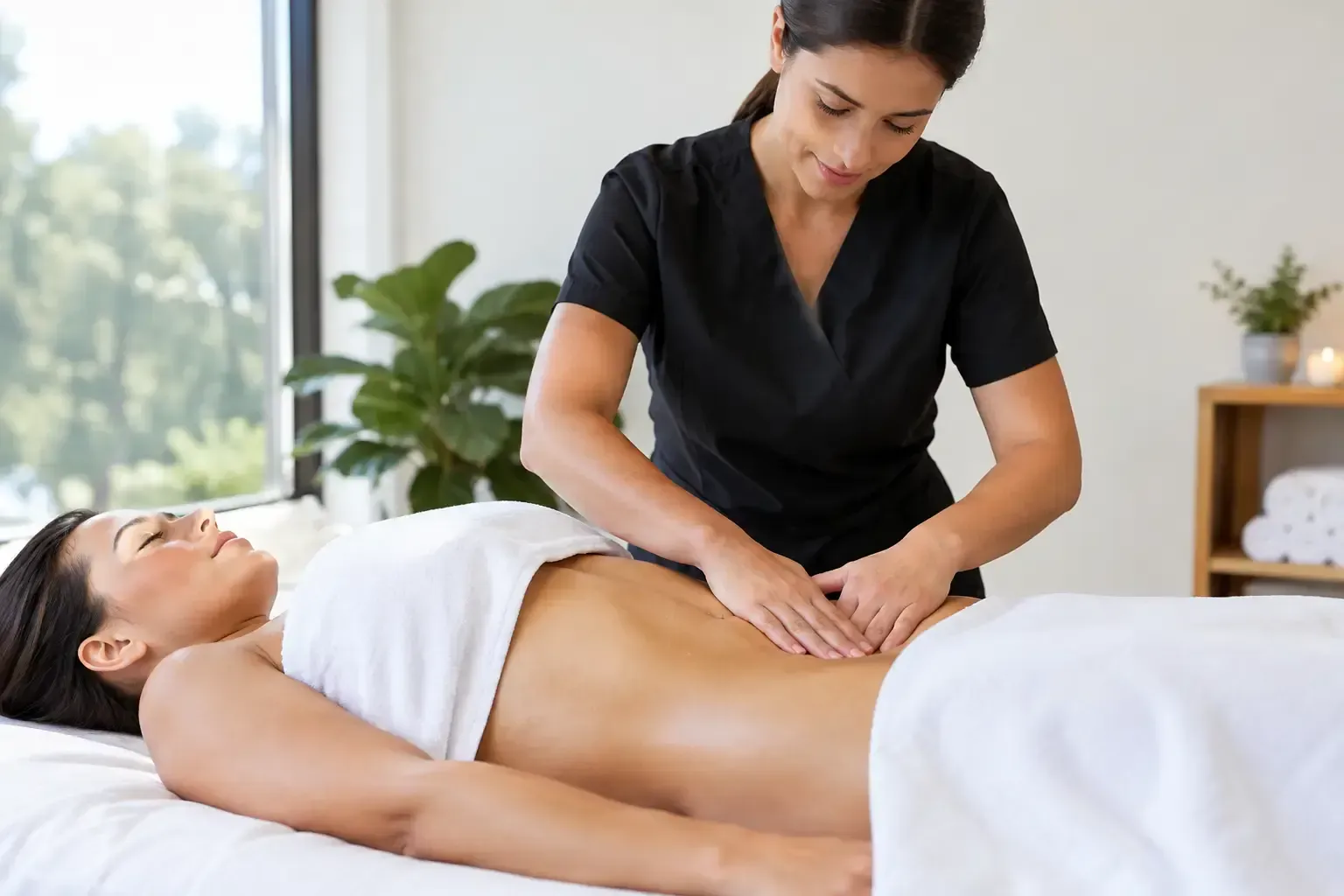
Wondering how many lymphatic massages after lipo may support your recovery? Learn timing, visit ranges, and signs to contact your surgical team promptly.
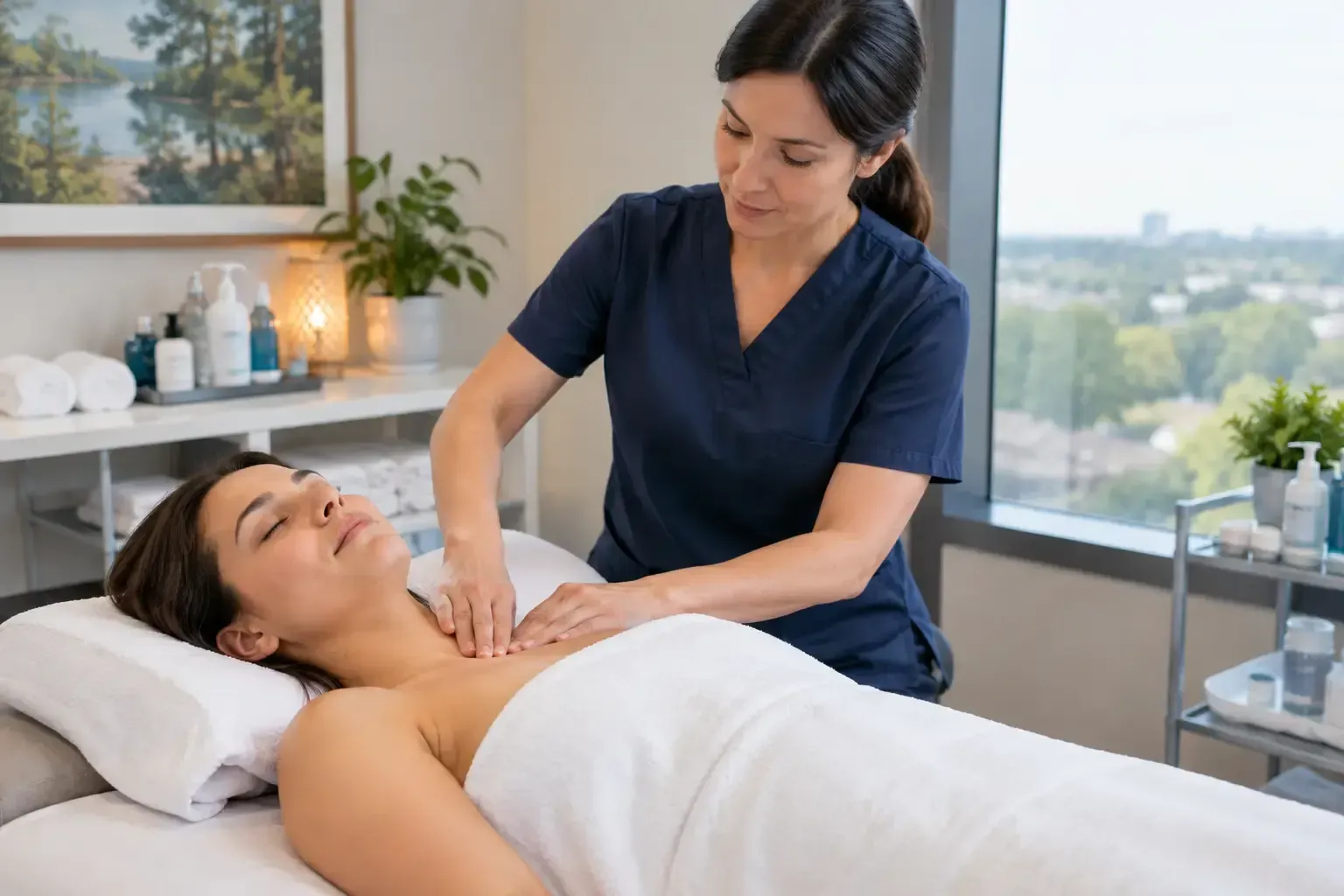
Learn how lymphatic massage after tummy tuck may support recovery, what to expect, and when to begin with your surgeon's clearance before each treatment.
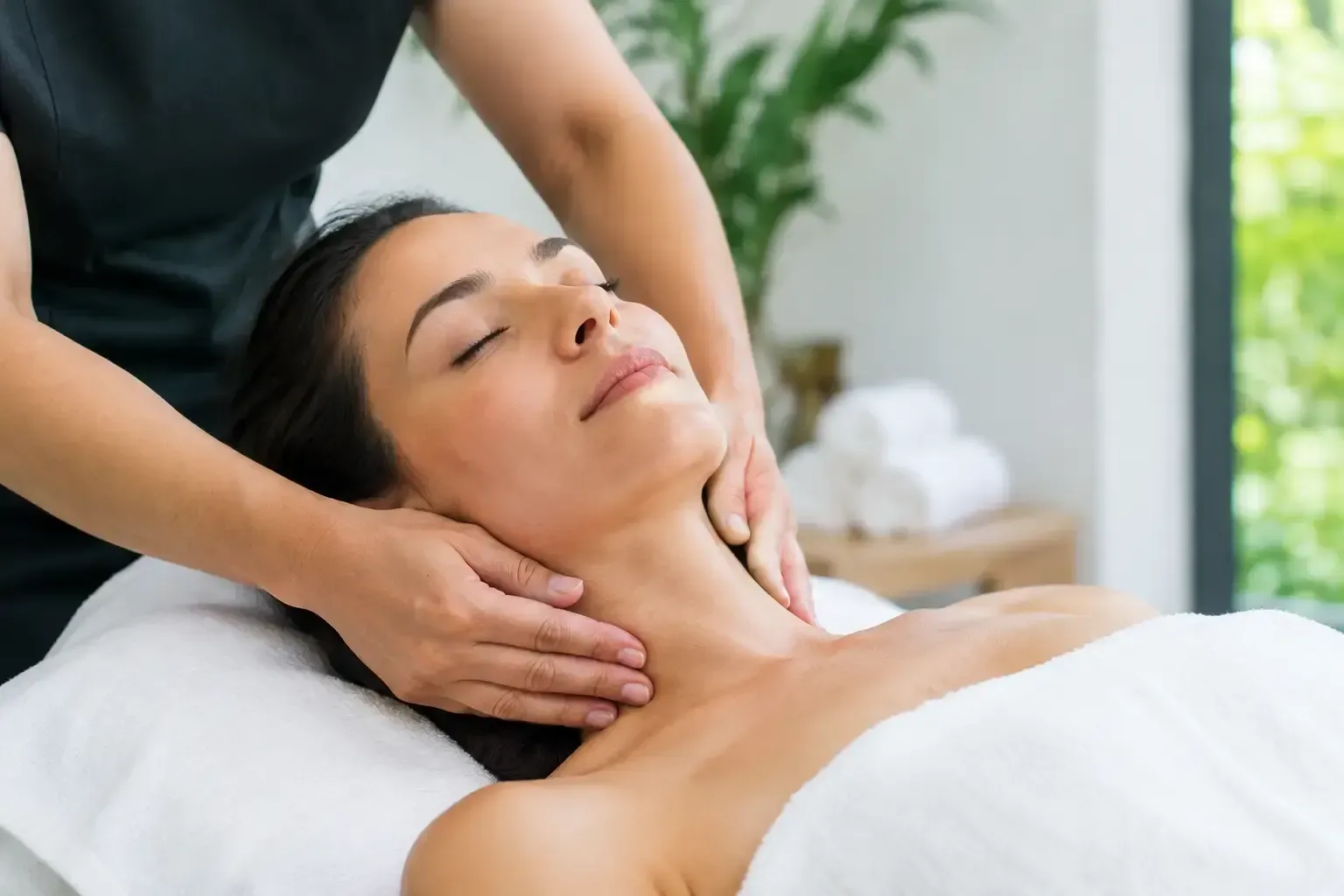
Experience lymphatic drainage massage in The Woodlands, TX with personalized, gentle support for post-op swelling, relaxation, and renewal every visit.

Our guide to wellness drip ingredients explains common IV nutrients, what they may support, and how personalized care protects your comfort and goals.

Can ozone sauna dehydrate you? Learn the signs, hydration steps, and when to pause a HOCATT session in The Woodlands, TX for safer wellness with guidance.

Wondering when should I start colonic care? Get practical guidance on timing, safety, and personalized colon hydrotherapy in The Woodlands, TX today.

Float tank versus sauna: compare deep relaxation, recovery, heat, and comfort to choose a restorative session in The Woodlands, TX with expert guidance.
Veterans in The Woodlands, TX can get VA Community Care massage and lymphatic drainage at Detoxity. Learn how referrals work, what to expect and the 18% discount.

Colon hydrotherapy vs. laxatives in The Woodlands, TX: how each works, key safety factors, and when the Detoxity team can help you choose the right option.