
832-745-3320
Float Tank Versus Sauna in The Woodlands, TX
...Because Detoxing Is A Way Of Life
November 4, 2026
Float vs. Sauna
Some days, your body wants quiet. Other days, it wants warmth, movement, and the satisfying feeling of releasing tension. When choosing a float tank versus sauna session in The Woodlands, TX, the better option is not about which service is more intense or more popular. It is about what your body, schedule, and wellness goals need right now.
Both experiences can create meaningful space for restoration. A float session surrounds you with stillness and buoyancy, while a sauna session uses heat to encourage relaxation and a full-body reset. For someone managing a demanding workout routine, lingering muscle tightness, a stressful season, or a personal recovery plan, understanding the difference can make self-care feel more purposeful.
Float Tank Versus Sauna: The Core Difference
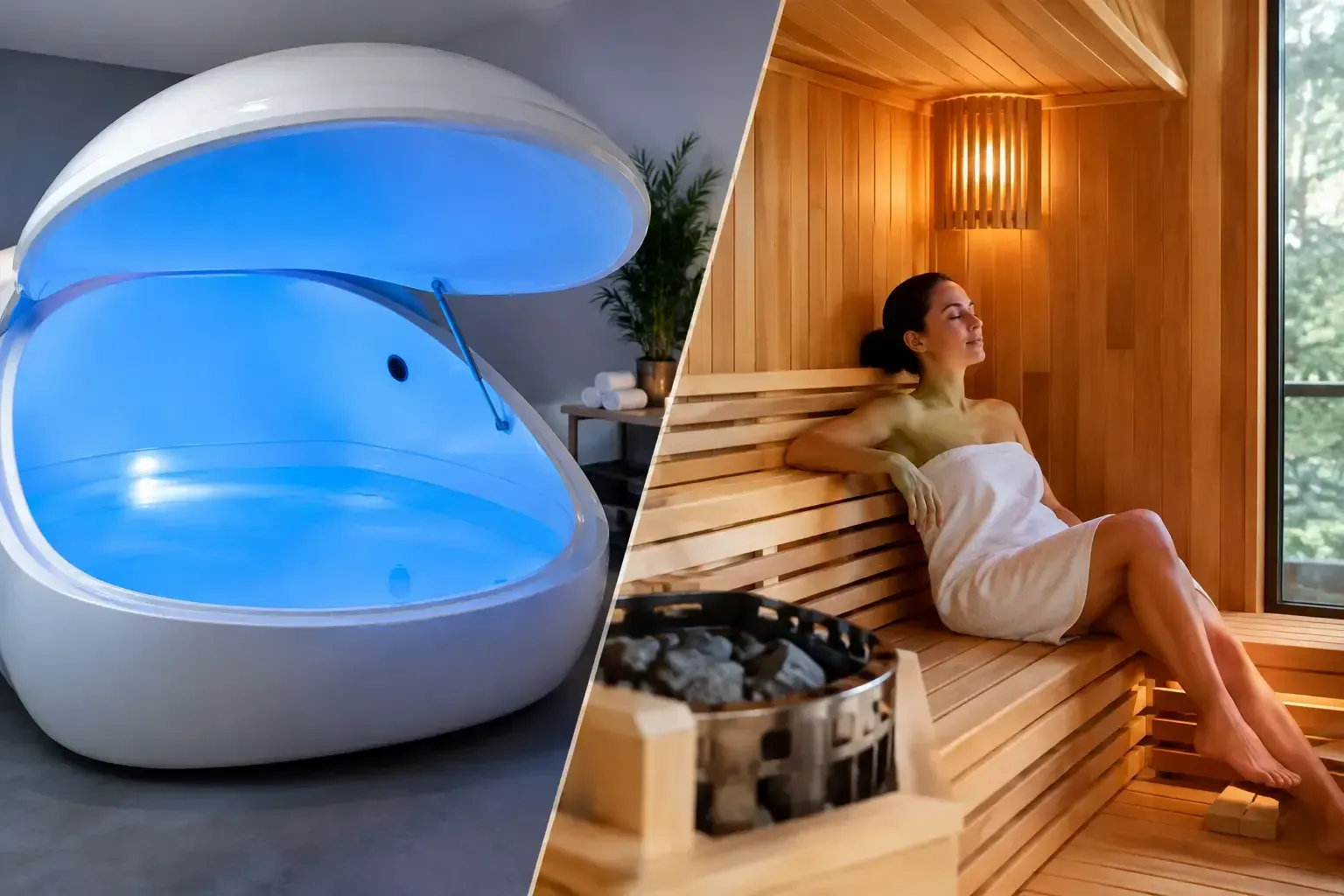
A float tank and a sauna create relaxation through very different sensory experiences. In a float tank, you lie in a shallow pool of highly concentrated Epsom salt water. The salt allows your body to float effortlessly, reducing the physical work of holding yourself up. The water and air are typically set near skin temperature, so after a few moments, it can become difficult to tell where your body ends and the water begins.
The goal is not heat or stimulation. It is reduced input. The quiet, dim environment may help you step away from screens, noise, deadlines, and the constant habit of being “on.” Many clients describe feeling deeply rested afterward, even when their mind was busy at the start of the session.
A sauna takes a more active approach. Heat raises your body temperature and encourages circulation, perspiration, and muscle relaxation. A traditional sauna can feel energizing, grounding, and deeply soothing all at once, especially after exercise or a long day spent at a desk. At Detoxity MediSpa, HOCATT ozone sauna sessions offer a more specialized wellness experience that combines heat with additional features in a private setting.
Neither experience has to replace the other. They simply support different kinds of restoration.
A float lowers the noise. A sauna turns up the heat. Both can restore you.
Choose a Float Session When You Need to Unplug
Float therapy is often the better fit when mental overload is taking up as much space as physical tension. If you are moving from one responsibility to the next, struggling to find a quiet moment, or feeling worn down by nonstop sensory input, floating offers a rare chance to do less.
The buoyancy can also be appealing for people who feel uncomfortable lying on a massage table or who want a gentler way to rest sore muscles and joints. Because your body is supported by the water, there is no need to adjust your position constantly. That physical ease may support a calmer nervous system and a more restorative state of rest.
A float session can be especially valuable before a big event, after travel, or during a season when you are trying to protect your energy. It is not designed to make you sweat or push through discomfort. It is designed to let your body settle.
For first-time float clients, the unknown can feel intimidating. Will it be too dark? Will you feel closed in? The experience is highly personal, and comfort matters. You can typically control lighting and keep the tank lid open if preferred. The best first float is not the one that follows someone else’s rules. It is the one that helps you feel safe enough to truly relax.
Choose a Sauna When Your Body Wants Heat

Sauna therapy may be a stronger match when you feel physically stiff, chilled, heavy, or in need of a good sweat. Heat can help loosen tight muscles and leave you with a sense of lightness that is hard to recreate with rest alone. Many people enjoy sauna sessions after workouts, during periods of muscle soreness, or as part of an intentional wellness routine.
A sauna can also be a practical choice for someone who finds stillness difficult. Lying quietly in a float tank may feel like a big shift for a person with a packed mind, while the enveloping warmth of a sauna can make relaxing feel more accessible. You are still taking time away from the noise, but the heat gives your body something tangible to focus on.
Hydration is a key part of the sauna experience. Because you may perspire significantly, drinking water before and after your session matters. If you tend to feel lightheaded with heat, are pregnant, have a health condition, take medications that affect heat tolerance, or are recovering from a medical procedure, check with your physician and speak with your wellness provider before booking.
Ask what kind of care you need today, not which service is best.
Recovery Goals Change the Answer

For active clients, the float tank versus sauna decision often comes down to the type of recovery they need. After an intense training day, heat may feel wonderful for general muscle tightness and relaxation. On a rest day, floating may give your body and mind the quieter reset that helps you return to your routine feeling more centered.
For post-surgical clients, personalized guidance is especially important. Recovery is not the time to copy someone else’s wellness schedule. Heat may not be appropriate at every stage, particularly when swelling, incision healing, compression garments, hydration, and physician instructions are factors. Float therapy may also need to wait depending on your procedure and healing status.
A reputable recovery-focused wellness center should be comfortable saying, “Not yet,” when that is the safest answer. The goal is to support your recovery plan, not rush it. Manual lymphatic drainage, therapeutic massage, and other services may be more appropriate at certain points, based on your surgeon’s guidance and your individual needs.
Why clients in The Woodlands choose Detoxity for float and heat therapy
- Private float suites with open and enclosed pod options
- Heat options including the HOCATT ozone sauna
- Post-op guidance on when heat is and is not appropriate
- Pair a float with massage for a longer reset
What Each Experience Feels Like

The emotional difference between floating and sauna therapy is worth considering. Floating tends to feel quiet, spacious, and inward-focused. Some people leave feeling as if they took a long nap without actually sleeping. Others feel mentally clear because they finally had uninterrupted time away from stimulation.
Sauna therapy tends to feel warming, releasing, and invigorating. You may notice a refreshed, post-workout sensation afterward, along with looser muscles and a calmer mood. It can be a comforting ritual for people who like the physical sensation of warmth and perspiration.
There is also a practical difference. A float session asks you to be comfortable with solitude and stillness. A sauna session asks you to tolerate heat. If either one sounds unpleasant, that is useful information. Wellness should challenge unhealthy habits occasionally, but it should not feel like punishment.
Can You Do Both?
Yes, many people enjoy both modalities at different times. The key is to avoid treating wellness services like a competition or a shortcut. More is not always better. Your sleep, hydration, activity level, medical history, and current stress load all affect what will feel supportive.
If you want to try both, begin with separate appointments so you can notice how each experience affects you. Pay attention to your energy later that day, how well you sleep, whether your muscles feel relieved, and which environment you look forward to returning to. Those details are more useful than a one-size-fits-all recommendation.
For some clients, a sauna becomes a weekly ritual for warmth and muscle care. For others, floating becomes the protected hour that keeps stress from spilling into every part of life. Both can fit beautifully into a broader plan that includes hydration, bodywork, movement, nourishing meals, and quality sleep.
A Better Question Than “Which One Is Best?”
Instead of asking which service is better, ask what kind of care you need today. Choose a float when you need less noise, less pressure, and more room to reset. Choose a sauna when your body is asking for warmth, relaxation, and a rejuvenating sweat. If you are not sure, a knowledgeable wellness team can help you choose based on how you feel and what you are working toward.
Your self-care does not need to look dramatic to be effective. Sometimes it is simply one intentional hour that helps you feel more at home in your body. If you are considering a float tank versus sauna session in The Woodlands, TX, let comfort, recovery needs, and your personal wellness goals guide the choice.
Float Tank vs. Sauna FAQs
Is a float tank or a sauna better for stress?
A float is often the better fit when your mind feels overloaded, because it reduces noise, light and pressure. A sauna may suit you better if you crave warmth and movement.
Which is better for sore muscles?
Heat from a sauna can help loosen tight muscles, while floating takes pressure off joints. Many active clients use both at different times.
Can I do a float and a sauna on the same day?
Many people can, but start with separate visits to see how each affects you. Hydrate well, especially around heat.
Is sauna safe after surgery?
Not always. Heat may not be appropriate early in recovery, so ask your surgeon before booking.
What if I feel claustrophobic in a float tank?
Tell the team. Open pod options and keeping the lid or light on can make floating more comfortable.
Where can I try float therapy in The Woodlands, TX?
Detoxity Holistic MediSpa at 329 Sawdust Rd offers float therapy and heat therapies for The Woodlands, Spring and Conroe. Call or text 832-745-3320.
Choose Your Reset in The Woodlands
Visit Detoxity Holistic MediSpa at 329 Sawdust Rd, The Woodlands, TX 77380. Call or text 832-745-3320 and our team will help you pick a float, a sauna or both.
Call or Text 832-745-3320
Surgical drain removal after plastic surgery: learn what timing, comfort, warning signs, and aftercare look like for a more confident recovery at home.
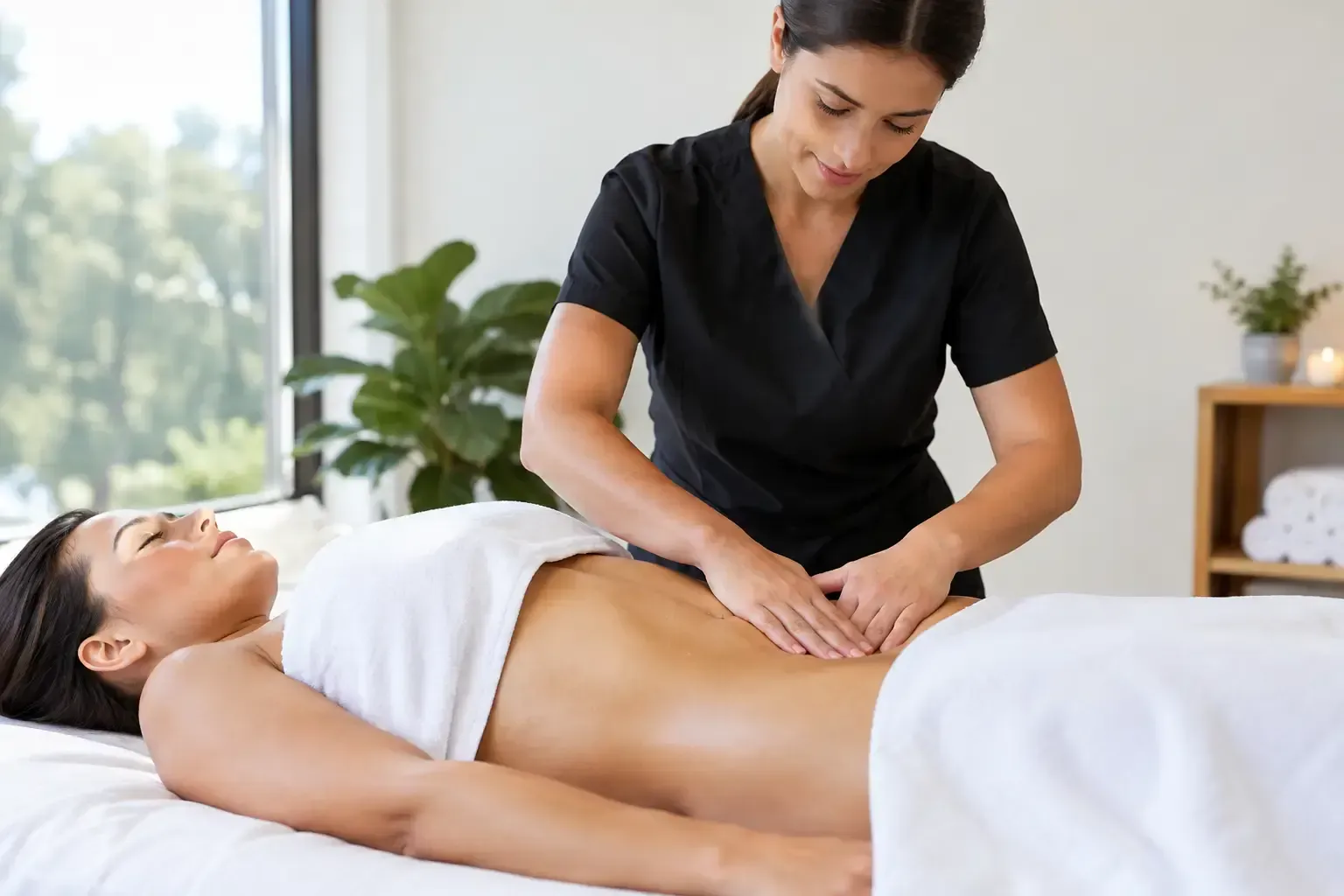
Wondering how many lymphatic massages after lipo may support your recovery? Learn timing, visit ranges, and signs to contact your surgical team promptly.
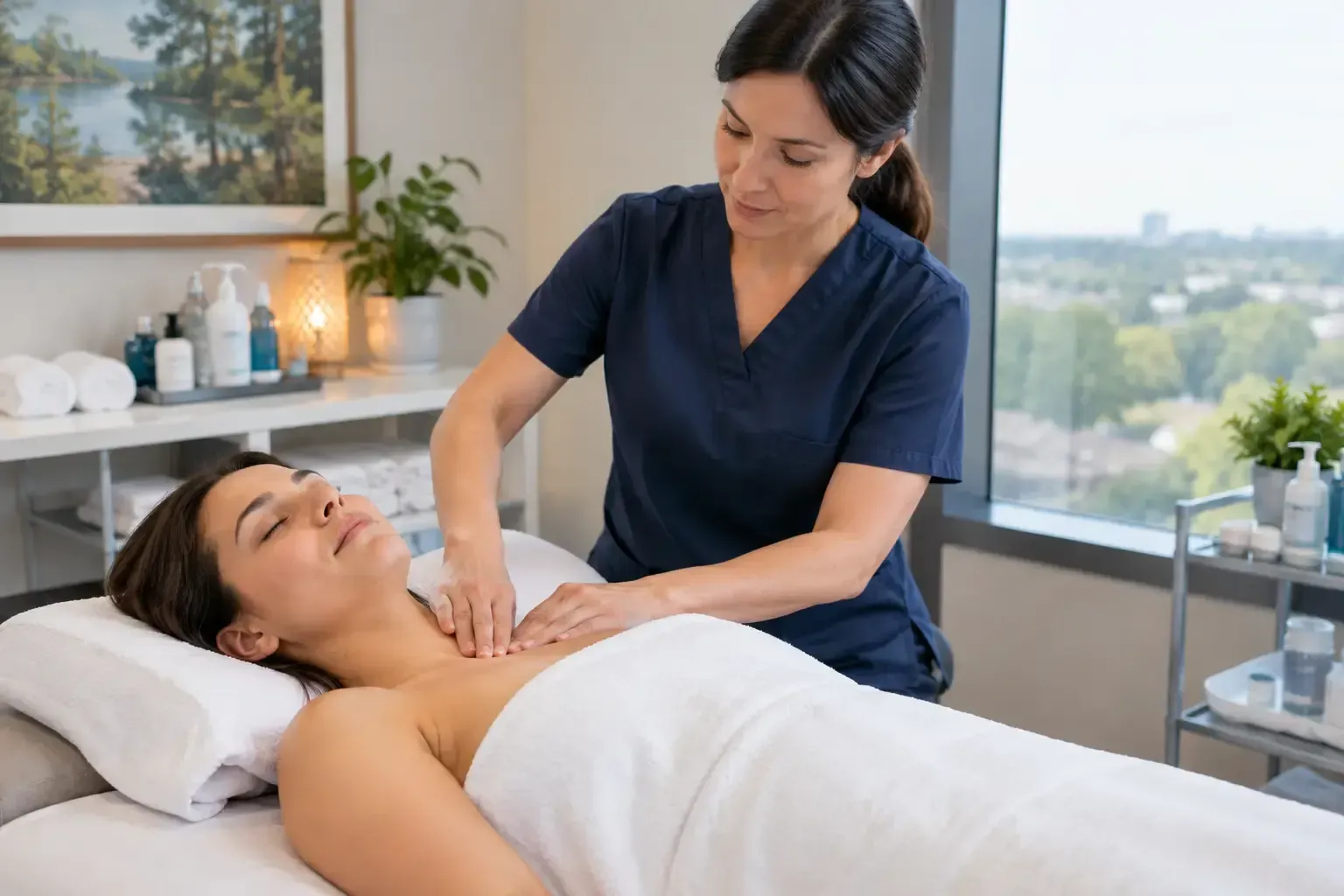
Learn how lymphatic massage after tummy tuck may support recovery, what to expect, and when to begin with your surgeon's clearance before each treatment.
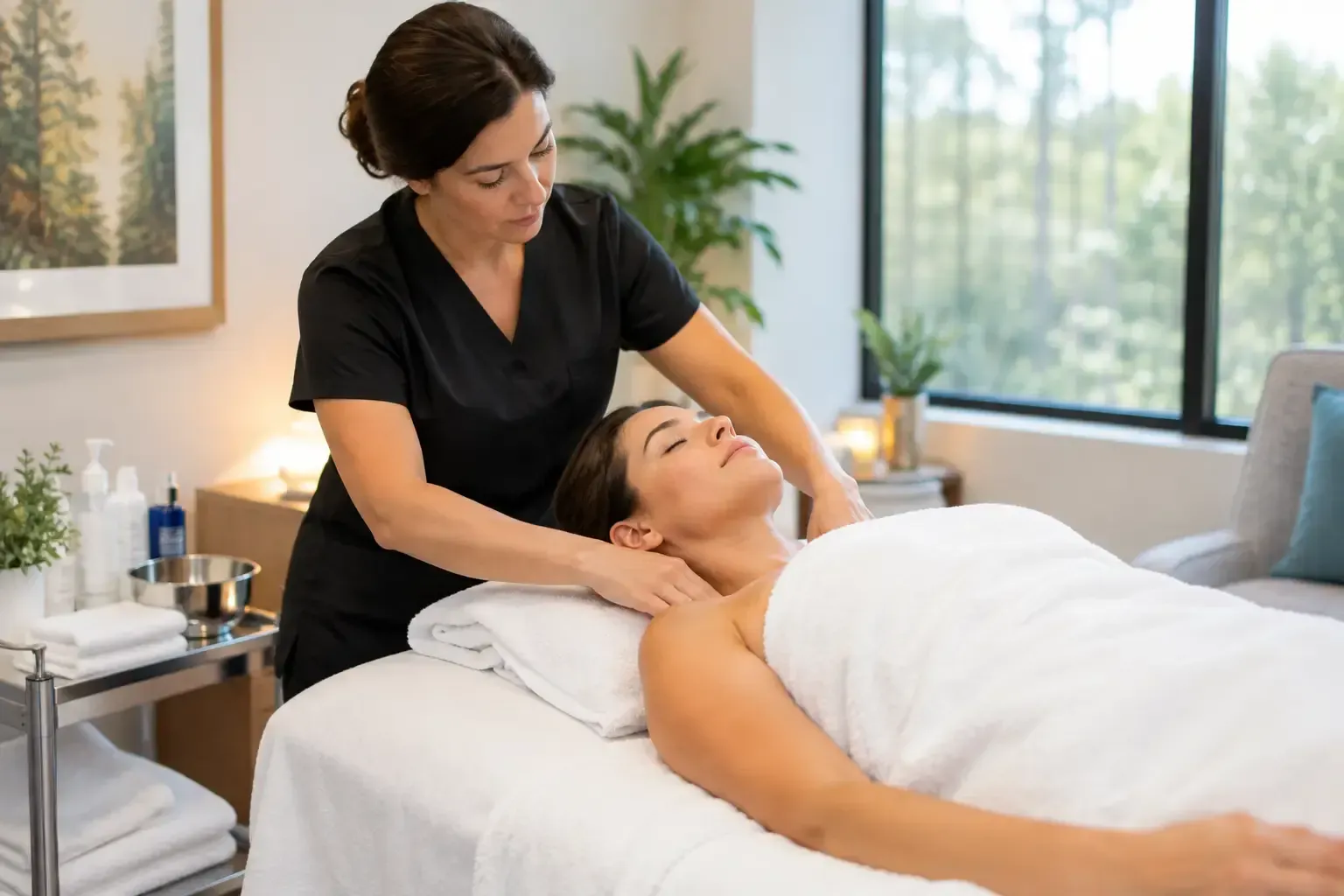
Learn how lymphatic massage after BBL may support comfort, swelling management, and a personalized post-op recovery plan in The Woodlands, TX with care.
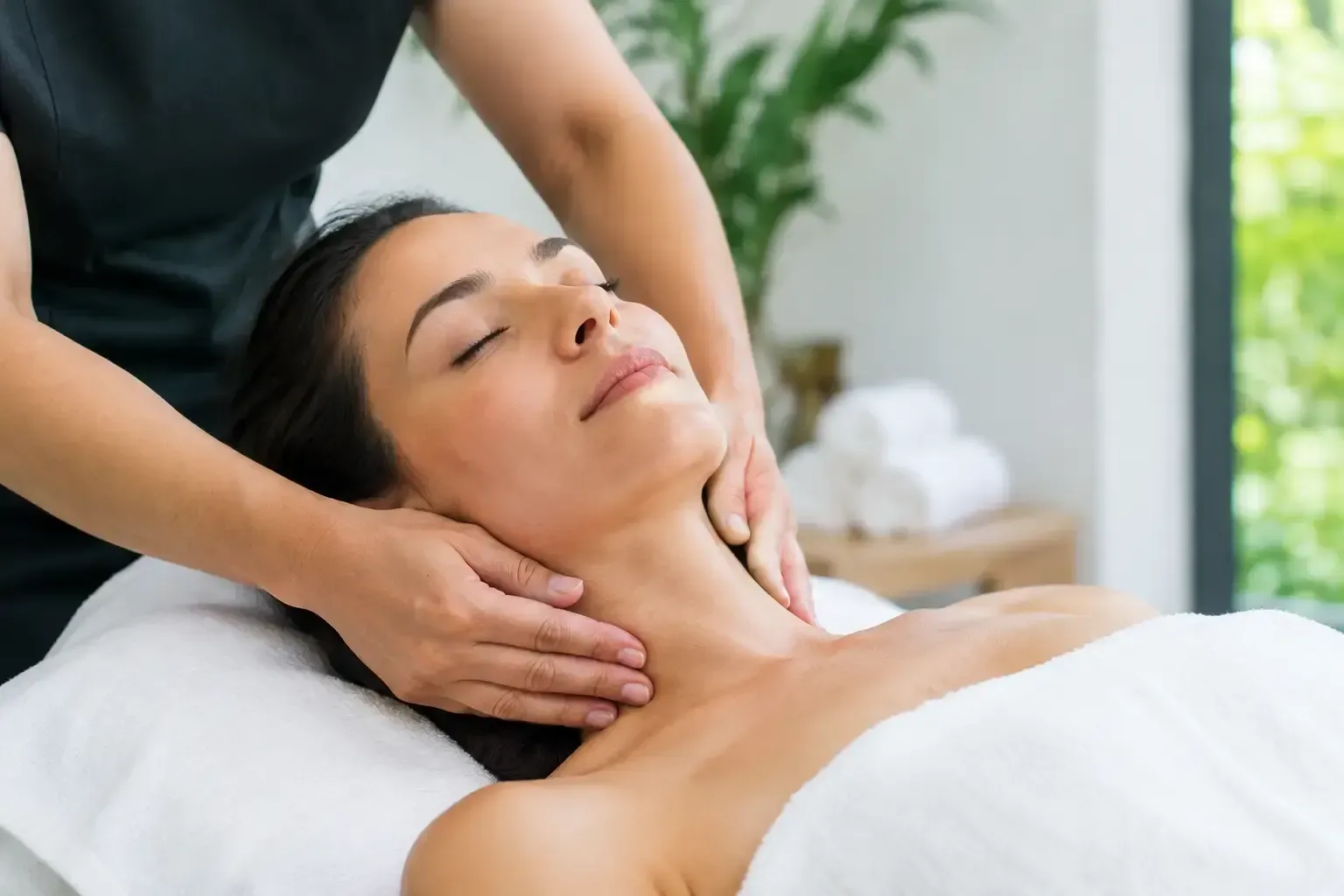
Experience lymphatic drainage massage in The Woodlands, TX with personalized, gentle support for post-op swelling, relaxation, and renewal every visit.

Our guide to wellness drip ingredients explains common IV nutrients, what they may support, and how personalized care protects your comfort and goals.
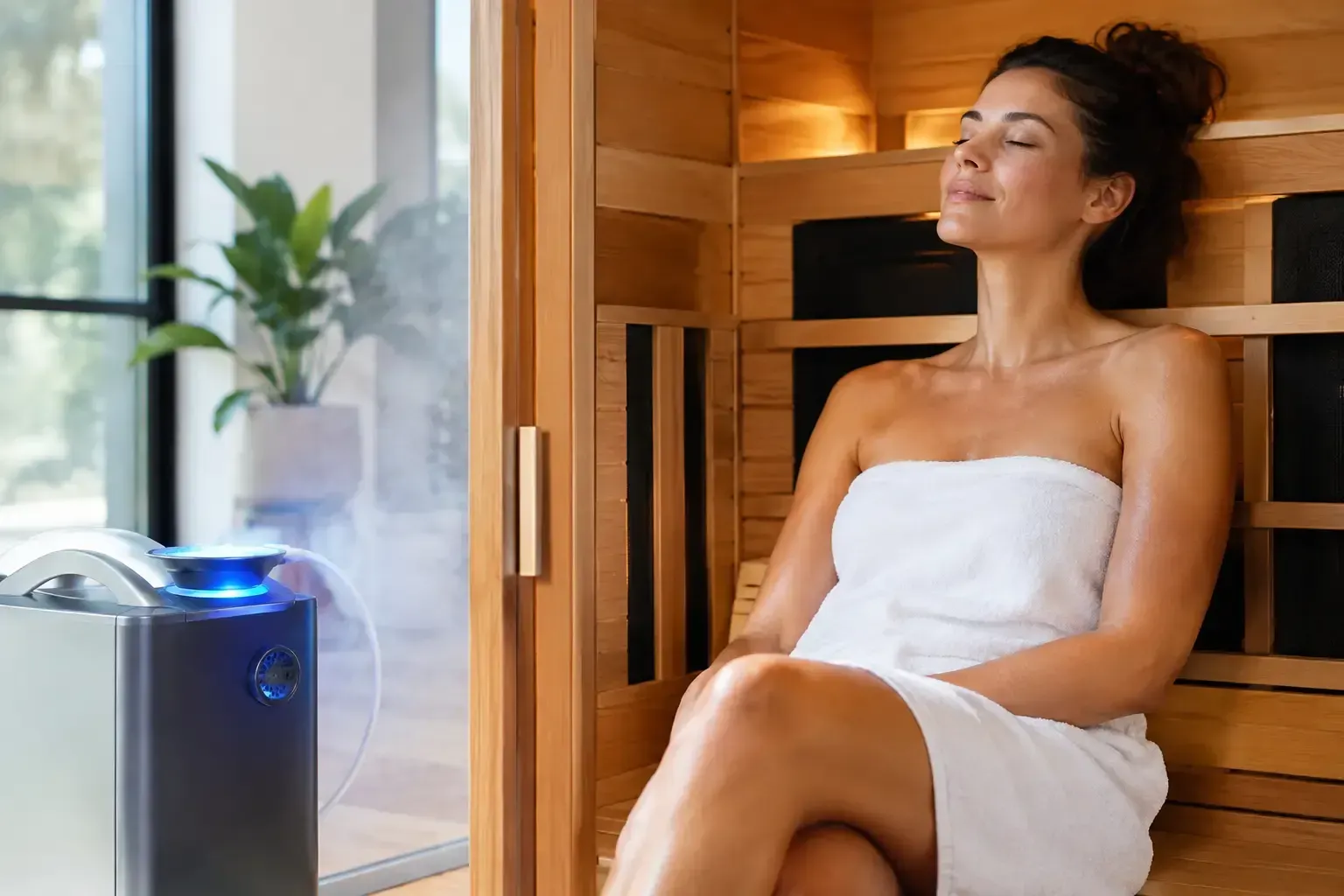
Can ozone sauna dehydrate you? Learn the signs, hydration steps, and when to pause a HOCATT session in The Woodlands, TX for safer wellness with guidance.

Wondering when should I start colonic care? Get practical guidance on timing, safety, and personalized colon hydrotherapy in The Woodlands, TX today.

Veterans in The Woodlands, TX can get VA Community Care massage and lymphatic drainage at Detoxity. Learn how referrals work, what to expect and the 18% discount.

Colon hydrotherapy vs. laxatives in The Woodlands, TX: how each works, key safety factors, and when the Detoxity team can help you choose the right option.