
832-745-3320



Can Massage Reduce Surgical Fibrosis? What to Know
September 16, 2026
Weeks after surgery, a firm, lumpy or tight spot can be unsettling, especially when you hoped your new shape would feel smooth by now. So, can massage reduce surgical fibrosis? The honest answer: it may help soften restricted tissue and ease discomfort for some people. It is not a quick fix, and timing, technique and your surgeon's clearance all matter.
Fibrosis is part of how the body normally repairs itself. It tends to stand out after liposuction, a tummy tuck, breast surgery or other body contouring, because tissue has been disturbed and fluid, inflammation and new collagen are all shifting at once. Careful post-surgical care can support that process. Heavy-handed massage at the wrong time can set it back.
What Surgical Fibrosis Actually Feels Like
Surgical fibrosis is tissue that thickens and tightens as collagen forms during healing. People describe it as hardness under the skin, cords, knots, bumpy texture, pulling or limited movement, or simply an area that feels different from the skin around it. It can show up near an incision, in liposuction areas or deeper in healing tissue.
Not every firm spot is fibrosis. In early recovery, swelling and trapped fluid can feel much the same. A seroma, hematoma, infection, wound problem or ordinary healing change can also bring swelling, tenderness or unevenness. That is why a new hard area, rising pain, redness, warmth, drainage, fever or sudden swelling calls for a call to your surgical team, not a massage booking.
Fibrosis also does not mean something went wrong. Your body is building collagen to repair itself. Good recovery care does not try to erase that response. It aims to support circulation, drainage, tissue movement and comfort as your surgeon-guided recovery moves forward.
Can Massage Reduce Surgical Fibrosis or Just Swelling?
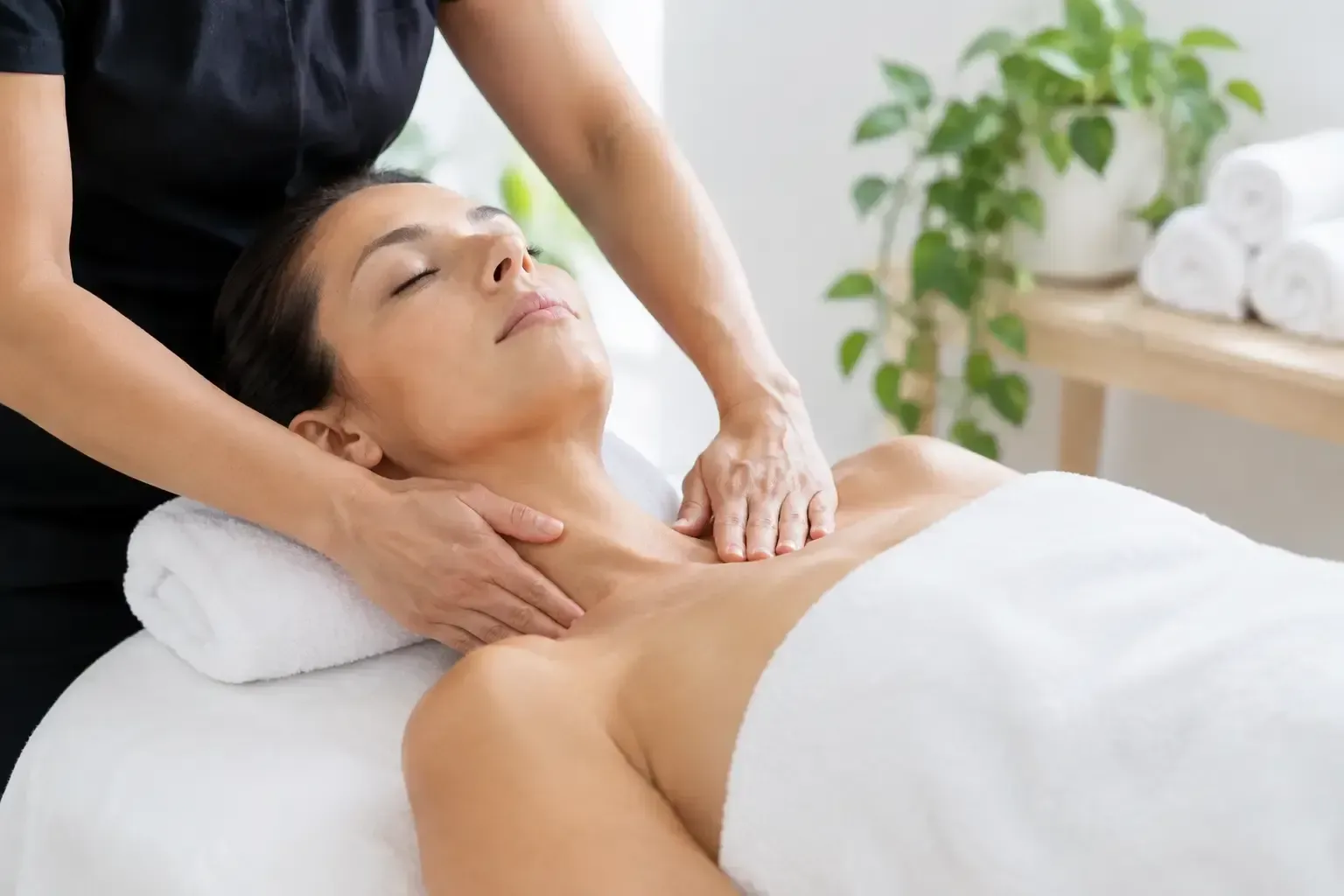
Once your surgeon says massage is okay, it may improve how some post-surgical areas feel and move. Gentle, skilled hands can support circulation, help shift fluid near the surface and slowly encourage tissue layers to glide again. For some clients, that means less tightness and a smoother-feeling recovery.
Still, massage cannot melt scar tissue away like warm wax. Established fibrosis can be complicated. How it responds depends on your procedure, where the tissue is and how long it has been there, your own healing, compression use, activity level and whether any complications are present. Some areas do well with steady, conservative hands-on care. Others need more evaluation or a different medical plan.
It also helps to know that manual lymphatic drainage and deeper tissue work are different. Lymphatic drainage uses light, rhythmic strokes meant to encourage lymph flow, and it can be very helpful for post-op swelling when you are medically cleared. Fibrosis-focused work may use more targeted, gradual techniques after early healing. They are not interchangeable, and neither should feel like a painful "break it up" session.
Pain does not prove a treatment is working. Early on, hard pressure can increase inflammation, irritate tender tissue, worsen bruising or disrupt healing. The best approach is usually steady and gentle, matched to where your body is right now.

POST SURGICAL RECOVERY TIMING MATTERS MORE THAN PRESSURE
Your surgeon sets the timeline. Depending on the procedure, they may suggest lymphatic work soon after surgery, hold off on work near an incision or rule out massage for a while. Never assume that what helped a friend after lipo is right for your tummy tuck, breast surgery or revision.
Early recovery is mostly about protection. That means following wound care instructions, wearing compression if prescribed, taking short walks as directed, drinking enough fluids and watching for changes. If lymphatic drainage is approved, it should be adjusted to your procedure and done with very light pressure.
As you heal and incisions fully close, your surgeon may approve scar massage or more specific tissue work. This is when the right massage can do more for stiffness, pulling and areas that feel stuck down. Even then, the goal is steady, comfortable progress, not forcing fast results.
Healing rarely moves in a straight line. Swelling can rise and fall after a busy day, travel, a salty meal, your cycle or a return to the gym. And yes, a hot Texas afternoon or a long I-45 drive can make you puffier too. A good plan leaves room for those normal swings instead of calling every change fibrosis.
QUESTIONS TO ASK BEFORE YOU BOOK
A qualified post-op provider should welcome your questions. Before a session, ask whether they have worked with your exact procedure, how they will follow your surgeon's protocol and which techniques they plan to use at your stage of healing. Be ready to share your surgery date, any drains, incision concerns, medications, compression instructions and whether you have been told you have a seroma or other complication.
At Detoxity Holistic MediSpa in The Woodlands, post-surgical recovery is personal care, not a one-size-fits-all massage. A calm room matters, but so does clinical awareness.
How Detoxity supports your recovery:
- Certified lymphedema therapist (CLT) leadership and Texas-licensed massage therapy
- Enhanced manual lymphatic drainage, our premium, top-rated post-op service
- Physician on site, with physician visits available to post-op clients
- Surgical drain removal, especially helpful if you had surgery out of town

WHAT A SAFE POST-OP MASSAGE PLAN INCLUDES
A careful plan starts with your clearance and a check-in on how you feel that day. Your therapist should watch for clear reasons to wait, such as worrying warmth, redness, fever, open skin, unusual drainage, severe pain or a sudden jump in swelling. When treatment makes sense, it may include gentle lymphatic techniques, comfortable positioning, careful work around (not over) healing incisions and tips on what to watch between visits.
Consistency often beats intensity. A series of well-spaced sessions may be suggested during a surgeon-approved window, especially for clients with lingering swelling or tightness after body contouring. How often you come should fit your procedure, your healing, your budget and how your body responds. More is not always better.
At home, stick with your surgeon's instructions. That may mean compression, walking, healing nutrition with enough protein, good hydration and avoiding moves that pull on healing tissue. If your surgeon taught you scar massage, use their technique and pressure. Skip generic social media routines.
When Massage Is Not the Next Step
Stop massage and contact your surgeon if you notice fever, chills, spreading redness, warmth, foul-smelling drainage, an incision that opens, shortness of breath, calf pain or a sudden increase in swelling on one side. These can point to problems that need medical assessment, not wellness care. Trouble breathing or chest pain needs emergency care right away.
Also check with your surgical team if a hard area grows quickly, hurts more than expected, changes skin color or is not improving as it should. They may want to examine you, order imaging, change your compression, drain a fluid pocket or suggest another treatment. Massage supports recovery. It does not replace post-op medical follow-up.
Sometimes fibrosis has been there long enough that expectations need to be realistic. Massage may improve comfort and flexibility without fully changing a visible contour. Honest advice keeps you from spending time and money on a promise no responsible provider can make.
A GENTLER WAY TO SUPPORT HEALING IN THE WOODLANDS
The best recovery plan is a team effort. Your surgeon handles the medical side of healing. A well-trained recovery provider can add gentle, personal support once you are cleared. You know your body best, so speak up if pressure feels wrong, symptoms change or a session leaves you more swollen or sore than expected.
Give your recovery the same patience you gave your decision to have surgery. With the right clearance, skilled hands and steady care, massage can be one meaningful part of helping your body feel more comfortable and mobile as it heals.
Healing after surgery and feeling tight?
Visit Detoxity Holistic MediSpa at 329 Sawdust Rd, The Woodlands, TX 77380, serving Spring, Conroe and north Houston. Call or text 832-745-3320 to book a post-surgical recovery consultation or enhanced manual lymphatic drainage once your surgeon has cleared you.

the perfect spa gift!

Ultimate spa STRESS RELIEF

Physician supervised wellness treatments pair personalized screening and restorative care to support hydration, recovery, stress relief, and wellness goals

Learn how to improve circulation naturally with movement, hydration, recovery, and expert-supported care for healthier, more comfortable days at home.
Recovering from lipo, tummy tuck, or a BBL? Learn how often to book lymphatic drainage massage, when to start, and how to reserve your recovery sessions at Detoxity

Our guide to HOCATT ozone therapy explains what a session feels like, who should pause, and how to prepare for a calm, informed wellness visit today.

A calm, surgeon-first roadmap for post-op recovery: prep, swelling, lymphatic
drainage, nutrition and warning signs. Recovery care in The Woodlands, TX.

Parasites: the hidden disruptor of metabolism & health by: Ann Louise Gittleman, PhD, CNS, New York Times bestselling author of Guess What Came to Dinner?
An honest colon hydrotherapy review: how a colonic feels, how to prepare,
benefits, limits and safety. Physician-supervised colonics in The Woodlands,
TX.

Learn 7 ways to improve hydration absorption, from electrolytes to food, and
when physician-supervised IV hydration in The Woodlands may fit.