
832-745-3320



A Guide to HOCATT Ozone Therapy Sessions
September 24, 2026
A HOCATT session is meant to feel restful, not intimidating. You settle into a warm, private sauna-style capsule and give your body a quiet stretch of time to relax and sweat. This guide to HOCATT ozone therapy walks through what a session involves, what it can and cannot do, and how to tell whether it belongs in your wellness or recovery routine.
People often look into HOCATT when they feel run-down, bloated, stressed, or simply ready for more deliberate self-care. Post-surgical clients sometimes find it appealing as one piece of a larger plan built on rest, fluids, lymphatic support and recovery guided by their providers. No single protocol fits everyone. A good plan begins with your health history, your goals, how well you handle heat, and an
honest talk with a qualified care team.
What HOCATT Ozone Therapy Is
HOCATT is short for Hyperthermic Ozone and Carbonic Acid Transdermal Technology. It is a wellness sauna system that pairs heat and steam with other features. Depending on the unit, those can include carbon dioxide, far-infrared heat, microcurrent, vibration, and ozone used inside the capsule. Your body rests inside while your head stays outside, so you breathe ordinary room air the whole time.
Many people describe it as a guided, upgraded version of a steam sauna. The warmth tends to bring on a sweat and a sense of calm.
You will often see HOCATT linked to words like detox, circulation, immune support and energy. Those are fair wellness goals, but they deserve a careful reading. Research has not shown HOCATT to treat or cure any disease, and results differ from person to person. Your liver, kidneys, lungs, skin and gut already clear waste every day. Think of a sauna session as supportive self-care. It does not replace a medical evaluation, prescribed treatment, good food, sleep or hydration.

What Happens During a HOCATT Session?
A good visit opens with a short conversation about your goals and health background. Maybe you feel puffy after travel, want a restful reset, or are building a routine around massage and IV hydration. Sharing that context helps the provider shape the session and decide whether it is a good fit for you at all.
You will usually change into suitable clothing before you step in. Once you are comfortable, the lid closes around your shoulders and your head stays out. Someone on the team should show you how to signal if you feel too hot, lightheaded, anxious or uneasy at any point.
As the minutes pass, the warmth builds gently and you may start to sweat. Some people find it deeply calming right away. Others need a few visits to get used to the heat. Afterward you may be given time to cool off, drink water and talk about how you feel. Take it slow when you leave. Skip the hard workout, and give yourself a buffer before heading back out into the Texas heat or a long I-45 drive.
What it should not feel like
Heat can soothe, but toughing out distress is never the point. Speak up right away if you notice dizziness, nausea, chest discomfort, shortness of breath, a pounding heartbeat, or heat that feels like too much. A well-run session includes adjustments, breaks, and the freedom to stop.
Ozone should never be inhaled. It irritates the lungs, which is one reason correct equipment use, good ventilation and trained supervision matter so much. Ask any provider how the system is run and how the team keeps ozone out of the air you breathe.
Who May Benefit From a heat-based Wellness Session?
For many healthy adults, a session like this is mostly about room to unwind. It can slot neatly into a self-care plan for someone who loves sauna warmth, wants a relaxing sweat, or is trying to build steadier wellness habits.
It may also appeal to people who want a restful add-on to other noninvasive services. Someone with everyday muscle tension might pair heat with therapeutic massage. Someone focused on hydration and recovery might ask whether IV therapy, plenty of fluids, rest and light movement suit their needs better. The real value usually comes from the whole plan, not from expecting one visit to change everything.
After cosmetic surgery, timing is everything. Heat and heavy sweating may not be safe during early healing, with fresh incisions, drains, infection concerns, or swelling that still needs clinical follow-up. Always follow your surgeon's aftercare instructions first. A recovery-minded team can help you understand when spa services may be reasonable, but it never replaces your surgical team.
How Detoxity supports your wellness plan:
- Physician-supervised care with a physician on site, so questions about safety get a medical answer
- "We don't guess, we test" - our physician can order labs when your goals call for a closer look
- Enhanced manual lymphatic drainage and post-surgical recovery care led by a certified lymphedema therapist
- Restful options such as therapeutic massage, float therapy and IV hydration that may fit alongside or instead of heat

When to Pause and Speak With a Medical Professional
HOCATT is not for everyone. Before you book, tell the care team about chronic conditions, recent procedures, medications, and any past reactions to heat or saunas. Get personal medical guidance first if you are pregnant, have a fever or active infection, uncontrolled blood pressure, significant heart or lung disease, a seizure disorder, a reduced ability to sweat, or any condition that makes heat risky.
It is also smart to wait if you are dehydrated, have been drinking alcohol, feel faint, or are acutely ill. If you take medicine that affects blood pressure, hydration, body temperature or blood clotting, ask your prescribing clinician whether sauna-style heat is safe for you. These steps simply protect your comfort and help you choose well for the body you have today.
How to Prepare for Your First hocatt Appointment
A little planning makes the visit easier. Start drinking water earlier in the day rather than gulping it right before you arrive. Eat a light meal if you need one, but do not show up overly full. Wear comfortable clothes, take off jewelry if asked, and leave some extra time to cool down afterward.
Bring your questions too. A trustworthy provider should happily explain the session length, which device features are in use, who is supervising, and what to do if you feel unwell. If a promise sounds too sweeping or too certain, ask for details. Good wellness care leaves room for informed choices, not pressure.
Afterward, water, a balanced meal and a quiet evening will serve you better than trying to "detox harder." You may feel relaxed and pleasantly tired. If you feel unwell later or notice symptoms that worry you, contact a medical professional.

BUILDING AN INTENTIONAL WELLNESS PLAN IN THE WOODLANDS
The routines that stick are usually the ones you can keep up. One heat session can be a welcome pause, but how you feel depends on your baseline health, sleep, stress, hydration, activity, and the other services you pair with it. Some people like an occasional reset. Others make heat-based relaxation one regular part of a larger recovery routine.
At Detoxity Holistic MediSpa in The Woodlands, our focus is helping you choose services with comfort and purpose in mind. If you are curious about HOCATT, ask our team whether it fits your plan. We may point you toward a different path, such as massage, float therapy or lymphatic drainage, based on your goals and how you feel that day. Clients from Spring, Conroe and north Houston are always welcome.
Let yourself start gently. The best first visit is not the most intense one. It is the one that leaves you feeling heard, comfortable, and more in tune with what your body needs next.
Curious whether heat therapy fits your plan?
Visit Detoxity Holistic MediSpa at 329 Sawdust Rd, The Woodlands, TX 77380. Call or text 832-745-3320 to book a wellness consultation and talk with our physician-supervised team about massage, float therapy, lymphatic drainage or whether a heat-based session is right for you.
the perfect spa gift!

Ultimate spa STRESS RELIEF

Physician supervised wellness treatments pair personalized screening and restorative care to support hydration, recovery, stress relief, and wellness goals

Learn how to improve circulation naturally with movement, hydration, recovery, and expert-supported care for healthier, more comfortable days at home.
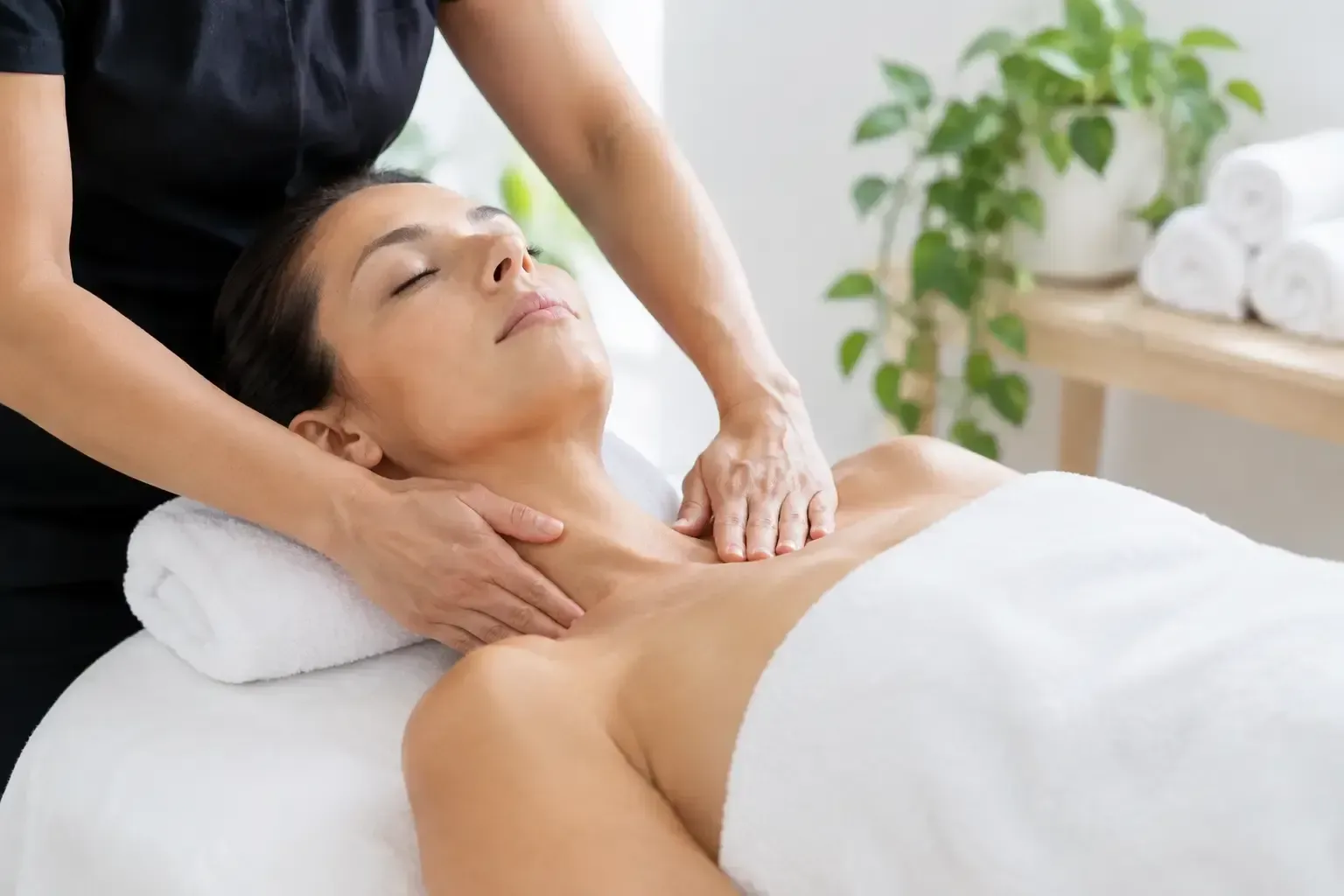
Recovering from lipo, tummy tuck, or a BBL? Learn how often to book lymphatic drainage massage, when to start, and how to reserve your recovery sessions at Detoxity

Parasites: the hidden disruptor of metabolism & health by: Ann Louise Gittleman, PhD, CNS, New York Times bestselling author of Guess What Came to Dinner?

Medical wellness blends clinical guidance with restorative care to support hydration, recovery, stress relief, and personalized whole-body goals daily.
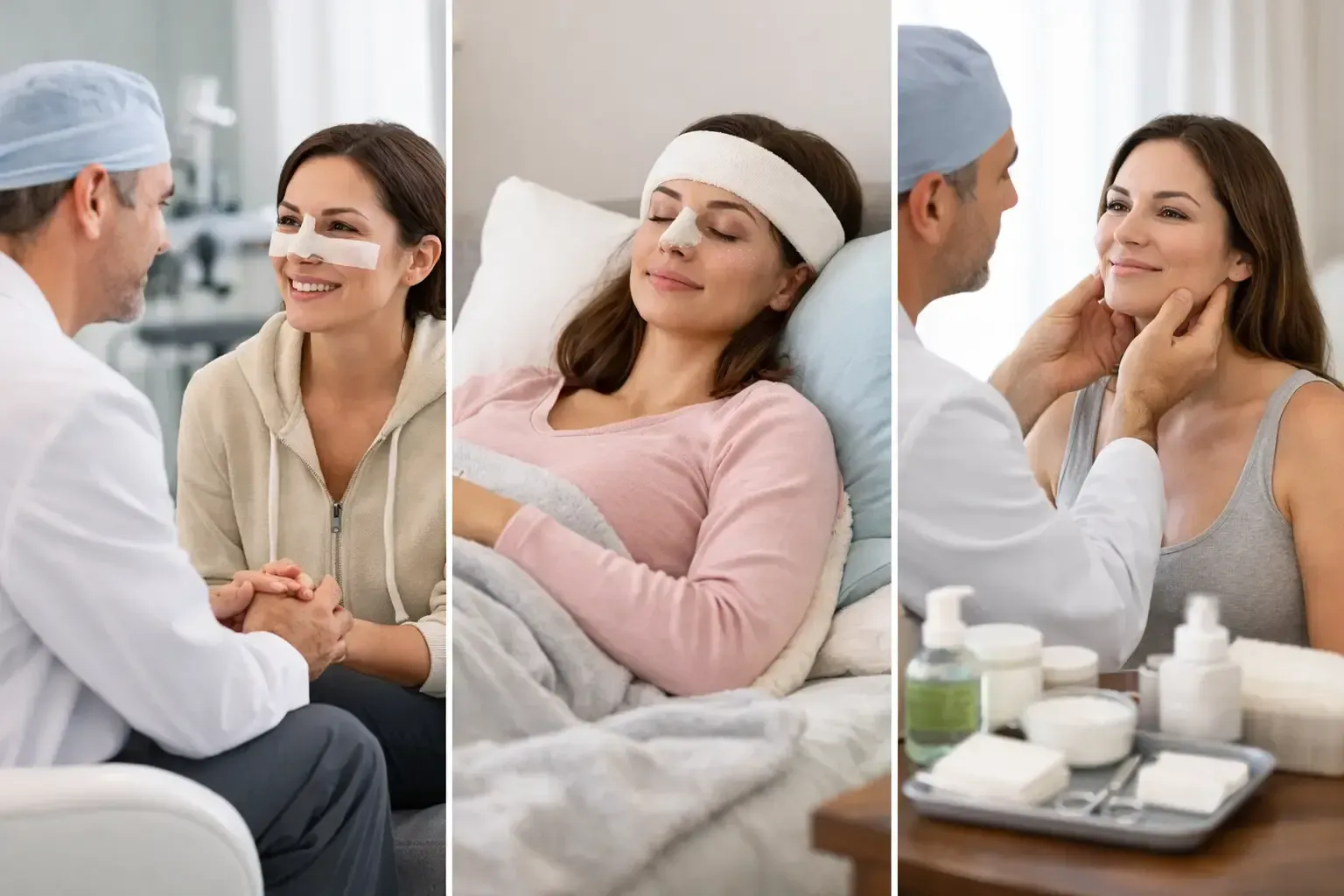
See a breast reduction healing example, from the first tender days through scar care, swelling shifts, and supportive post-op recovery guidance to trust.
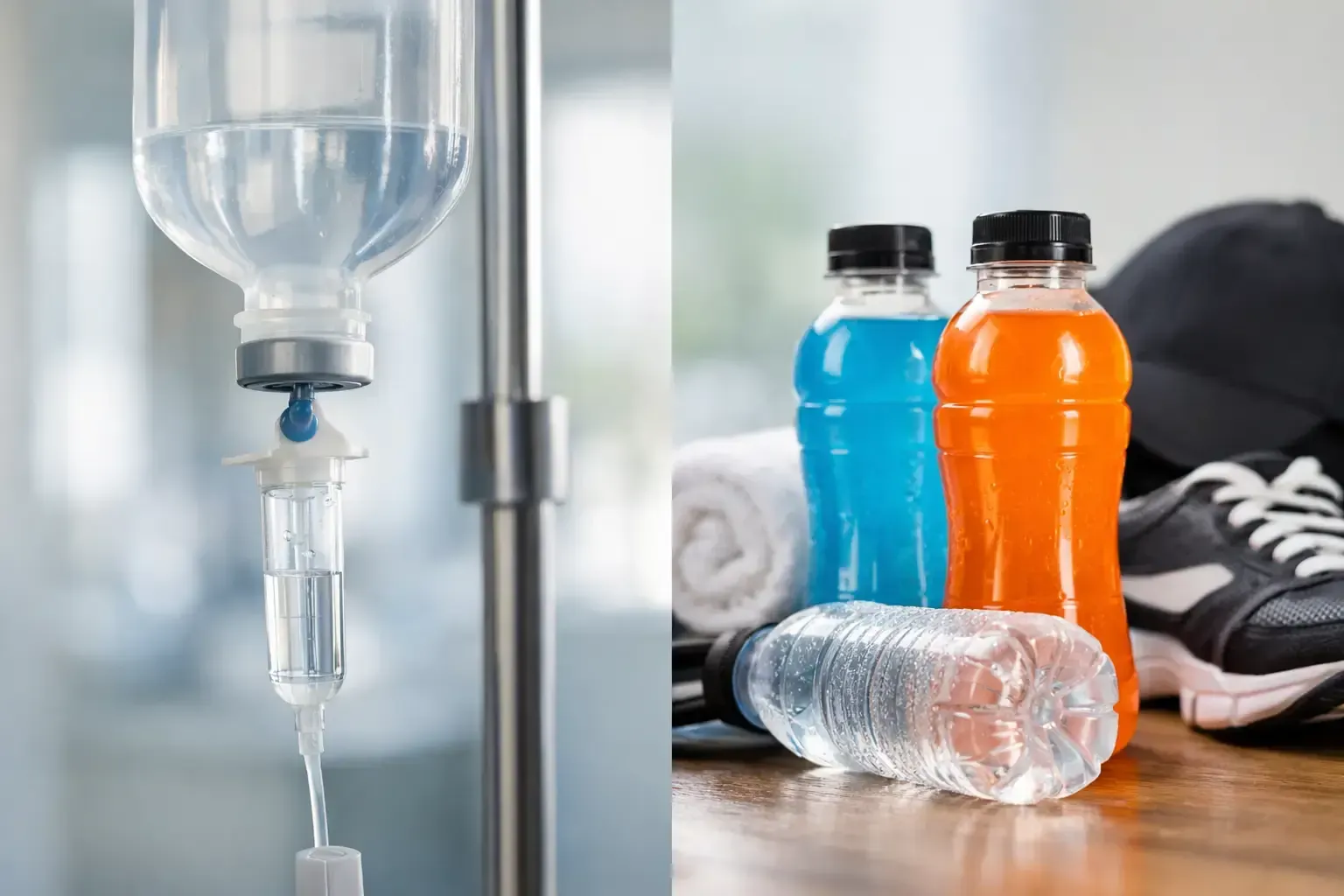
IV drips versus sports drinks: learn when oral hydration is enough, when medical IV fluids may help, and how to recover safely after exertion or illness.
Lymphatic massage reviews can reveal comfort, care, and results. Learn what to look for before booking post-op or wellness support in The Woodlands today.