
832-745-3320



How to Improve Circulation Naturally Every Day
September 28, 2026
Your legs feel heavy by mid-afternoon. Your hands are always cold at your desk. Or you're healing from surgery and wondering why the swelling is hanging on. When people want to improve circulation naturally, they usually want more than a quick fix. They want to feel lighter, more comfortable and better supported from the inside out.
Circulation is the steady movement of blood through your heart and blood vessels, bringing oxygen and nutrients to your tissues and carrying waste away. Your lymphatic system works right alongside it, moving extra fluid and supporting immune function. At Detoxity Holistic MediSpa in The Woodlands, we help clients with both. Daily habits make a real difference, but ongoing symp
Why circulation can feel sluggish
Sitting for long stretches is one of the biggest culprits. Commuting on I-45, working at a computer, frequent travel or long hours caring for family all keep your calf muscles from the regular squeezing that pushes blood from your legs back to your heart. Heat, dehydration, stress, poor sleep and some medications affect how you feel day to day, too.
After surgery, swelling is usually a normal part of healing. Liposuction, tummy tucks, BBLs, breast surgery and mommy makeovers can temporarily disrupt lymphatic flow and leave tissue feeling tight or tender. This is not the time for aggressive self-massage or a one-size-fits-all detox plan. Your surgeon's recovery protocol always comes first.
Know the warning signs. New swelling in one leg, sudden pain, warmth or redness, chest pain, shortness of breath, fainting, or a foot that turns pale, blue, numb or unusually cold needs urgent medical care. Natural habits support your health. They don't replace diagnosis or treatment.
Move often, not just intensely

You don't need punishing workouts to support healthy blood flow. Steady, comfortable movement throughout the day often helps more than one hard session followed by days of sitting. Walking is the easiest place to start. It works your calves, supports heart health and fits almost any schedule.
Try a short walk after meals, a ten-minute loop between meetings or an easy treadmill walk while you catch up on a podcast. If your day is packed, set a reminder to stand and move for two to five minutes every hour. Small breaks add up.
Give your calves and ankles a little attention
Your calves are often called your body's "second heart" because each contraction helps push blood up from your lower legs. If you sit or stand for long periods, ankle circles, heel raises and slow marches in place are easy ways to break up the stillness.
Desk-friendly reset: keep both feet flat, slowly lift your heels, then lower them with control. Repeat several times, then lift your toes while keeping your heels down. These moves should feel easy, never painful. If you've recently had surgery, have a vascular condition or have been told to limit activity, ask your provider first.
Hydrate with intention
Blood is mostly water, so hydration matters. Running low can leave you tired, headachy, dry-skinned and run-down. You don't need to force down gallons. Your ideal intake depends on your size, activity, the weather, medications and health conditions.
Keep water within reach and sip regularly instead of waiting until you're very thirsty. In our Houston-area heat, time outdoors and sweating raise your needs. Water-rich foods like citrus, berries, cucumber, melon, soups and leafy greens help, too.
If staying hydrated is a struggle, a medically supervised IV hydration appointment at Detoxity may help during certain recovery periods or wellness goals. It doesn't replace daily habits and isn't right for everyone, so our care team reviews your health history first.
Eat for vascular and whole-body support
No single food fixes circulation overnight. What helps is a steady pattern of eating that supports your heart, blood vessels and energy over time. Think colorful produce, fiber-rich beans and whole grains, nuts and seeds, lean proteins and healthy fats like olive oil and avocado.

Foods with naturally occurring nitrates, like beets, arugula, spinach and celery, may support healthy blood vessel function as part of a balanced diet. Omega-3 sources such as salmon, sardines, chia seeds and walnuts are great additions. If you take blood thinners, have kidney disease or manage another chronic condition, talk with a physician before big diet changes or new supplements.
Salt is more nuanced than wellness culture suggests. Some people need to limit sodium because it worsens fluid retention or raises blood pressure, while others have different needs. Skip the extremes and focus on minimally processed meals and personalized advice.
Support recovery, sleep, and stress relief
Your body repairs itself while you rest. Poor sleep can leave you puffy, achy and unmotivated to move, while chronic stress can cause muscle tension and shallow breathing. A circulation-friendly routine includes recovery, not just activity.
Gentle stretching, slow breathing, a warm shower and putting your feet up after a long day are simple ways to unwind. Elevating your legs may ease mild leg fatigue or swelling, but if swelling is persistent, Detoxity Holistic MediSpa | detoxityspa.com | 329 Sawdust Rd, The Woodlands, TX 77380 4 uneven or painful, get it checked instead of managing it alone.
At Detoxity, float therapy and therapeutic massage give your body space to relax and reset. They can help you unwind and feel less tense, but they're complementary wellness services, not treatment for a circulation disorder. Always share recent procedures, health conditions, medications and new symptoms before booking
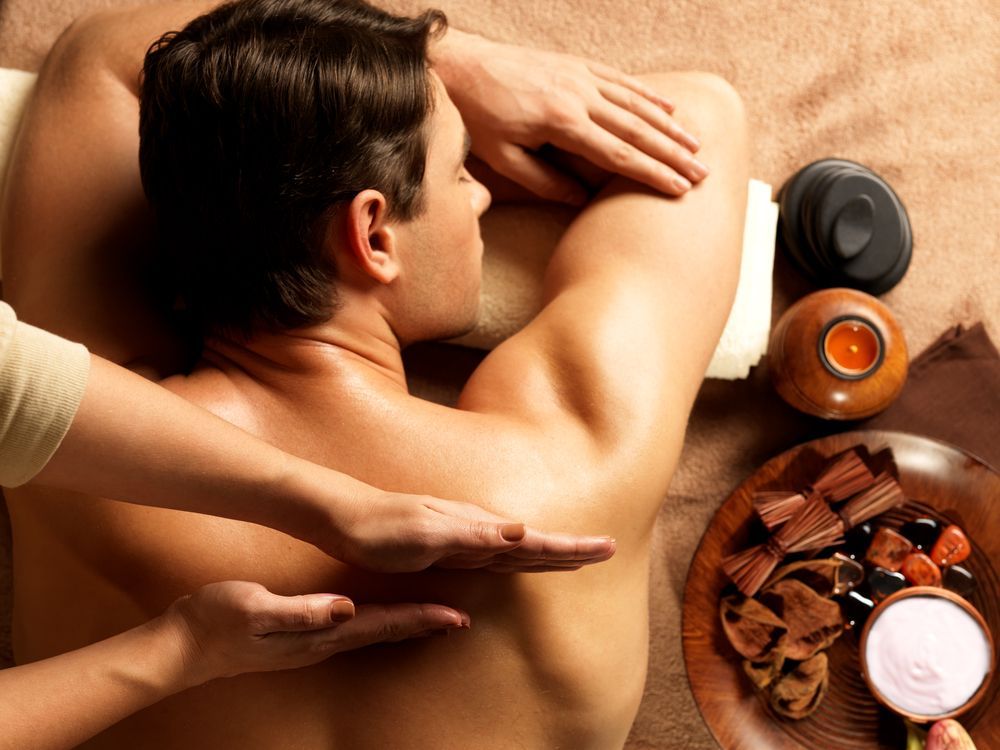
IMPROVING CIRCULATION DURING POST-OP RECOVERY
Post-op recovery is personal. What feels restorative for a busy professional may be wrong for someone two weeks out from surgery. Follow your surgeon's instructions on walking, compression garments, hydration, activity limits, incision care and when to start bodywork.
Once your surgical team approves it, manual lymphatic drainage from a trained professional can be a gentle part of your recovery plan. It uses light, specific strokes to support lymph flow, not deep pressure that can irritate healing tissue. It should never feel like a painful massage.
How Detoxity supports post-surgical clients:
- Enhanced manual lymphatic drainage from a team led by a certified lymphedema therapist (CLT)
- Physician on site for post-op visits, plus surgical drain removal for clients who had surgery out of town
- Care that follows your surgeon's plan, never in place of it
- A calm, personalized setting so you feel cared for, not rushed
When a wellness appointment can help
If you've built healthy basics but still feel depleted, swollen, tense or disconnected from your body, a professional visit can add real support and accountability. The best service depends on your goal. Therapeutic massage may fit stress-related tightness, while lymphatic drainage may suit eligible post-op clients or anyone wanting gentle fluid support.
Ask questions before you book. Who will perform the service? What training do they have? Is there medical oversight when needed? What should you avoid before or after? At Detoxity, we welcome these questions and respect your medical care plan.
Feeling better in your body rarely comes from one dramatic change. Take the next walk, refill your water, protect your sleep and reach out for skilled support when your body asks for more. Those steady choices add up to real self-care
the perfect spa gift!

Ultimate spa STRESS RELIEF

Physician supervised wellness treatments pair personalized screening and restorative care to support hydration, recovery, stress relief, and wellness goals
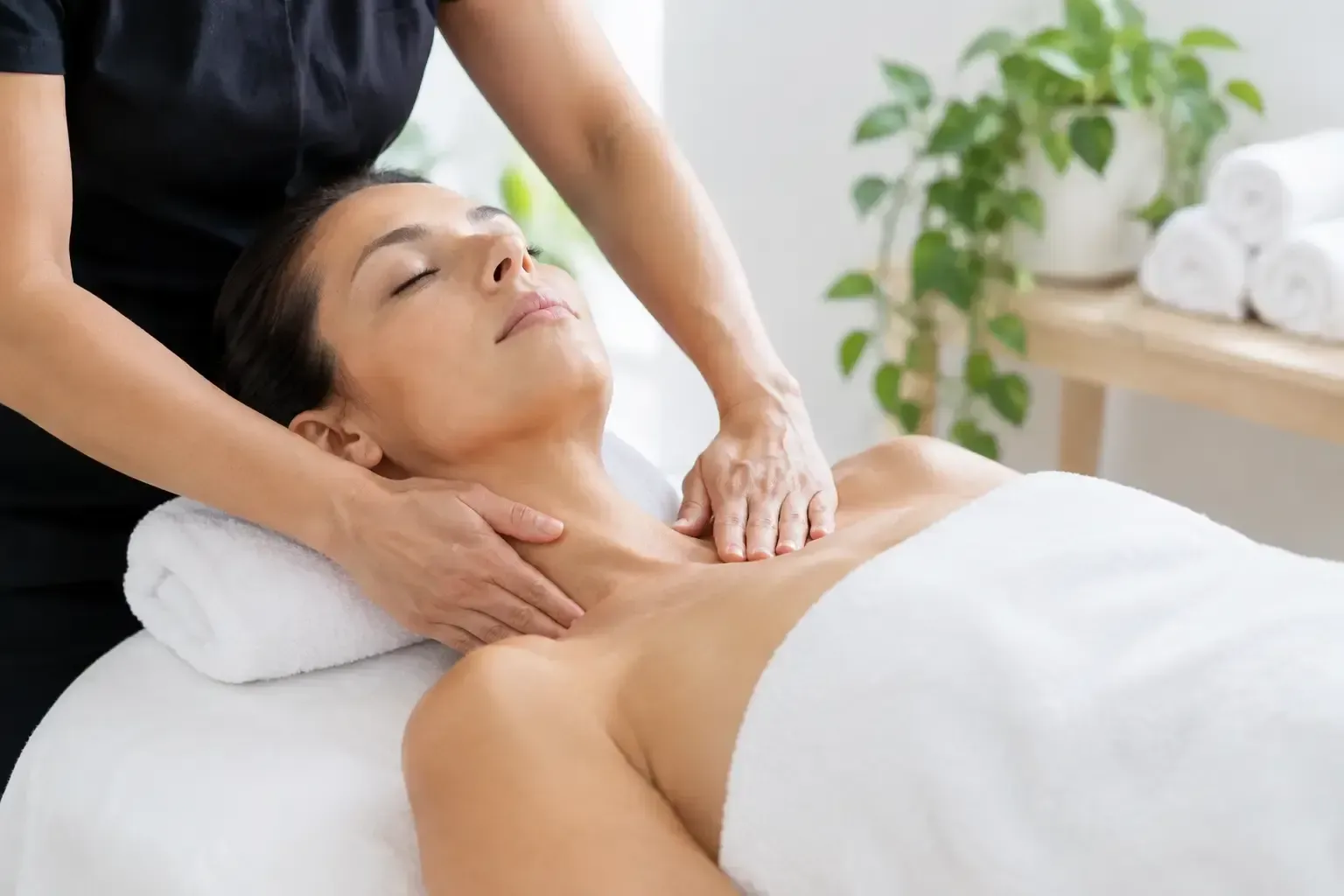
Recovering from lipo, tummy tuck, or a BBL? Learn how often to book lymphatic drainage massage, when to start, and how to reserve your recovery sessions at Detoxity

Our guide to HOCATT ozone therapy explains what a session feels like, who should pause, and how to prepare for a calm, informed wellness visit today.
Parasites: the hidden disruptor of metabolism & health by: Ann Louise Gittleman, PhD, CNS, New York Times bestselling author of Guess What Came to Dinner?

Medical wellness blends clinical guidance with restorative care to support hydration, recovery, stress relief, and personalized whole-body goals daily.

See a breast reduction healing example, from the first tender days through scar care, swelling shifts, and supportive post-op recovery guidance to trust.
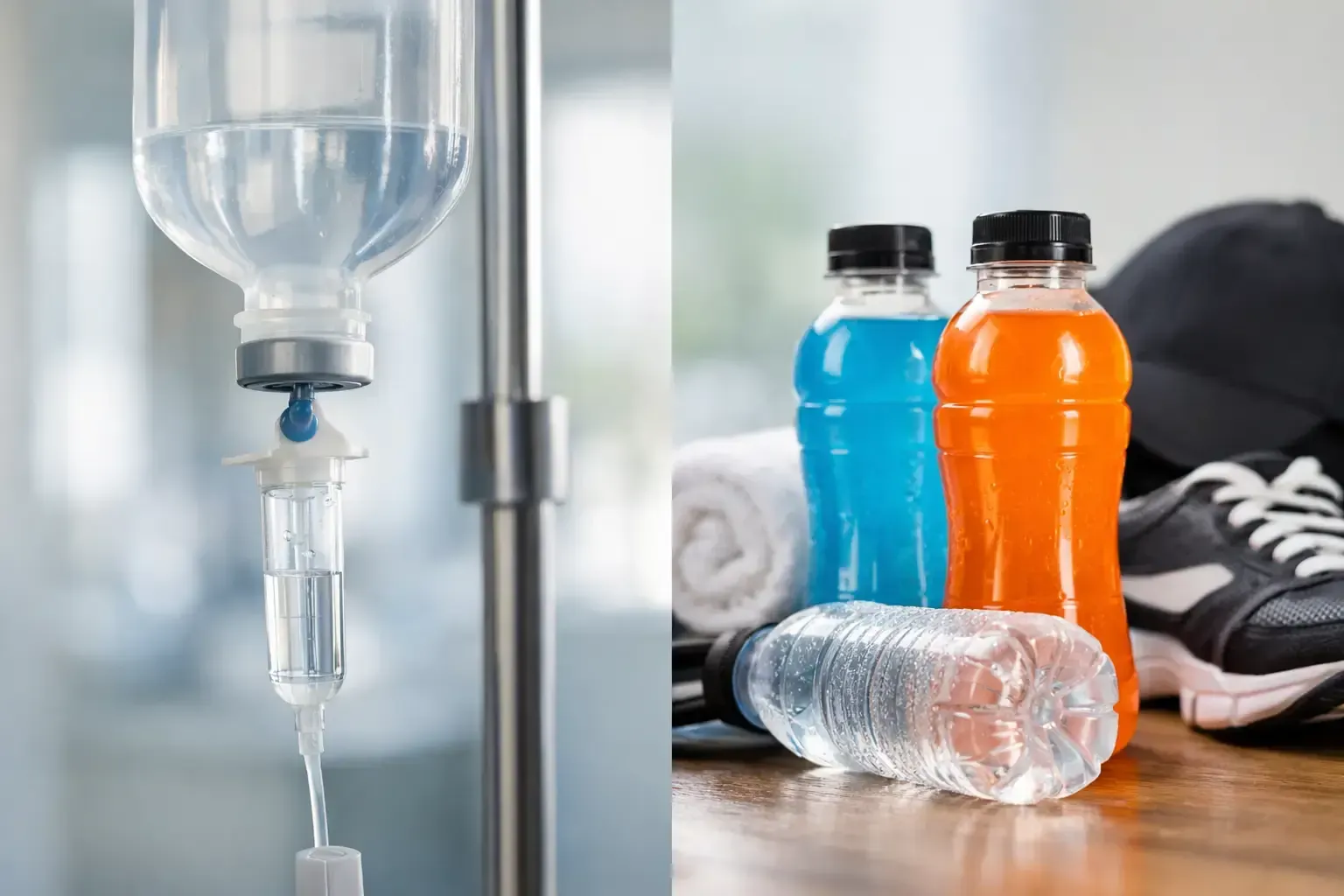
IV drips versus sports drinks: learn when oral hydration is enough, when medical IV fluids may help, and how to recover safely after exertion or illness.
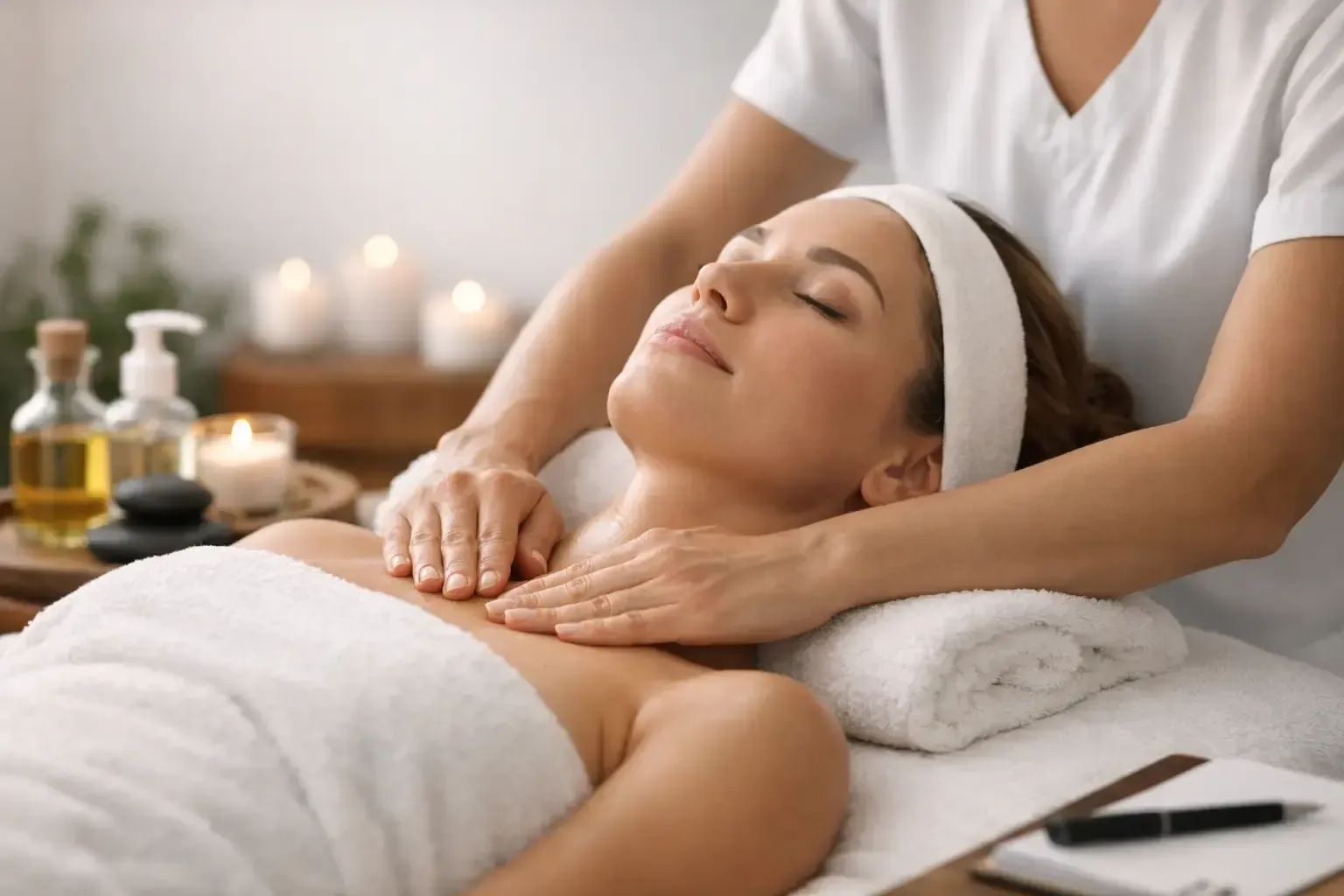
Lymphatic massage reviews can reveal comfort, care, and results. Learn what to look for before booking post-op or wellness support in The Woodlands today.