

832-745-3320

Iron Infusion vs Iron Pills in The Woodlands, TX
...Because Detoxing Is A Way Of Life
November 15, 2026
Medical Wellness
Feeling worn down even after a full night of sleep can be frustrating, especially when low iron may be part of the picture. For clients in The Woodlands, TX, the choice between iron infusion vs iron pills is not simply about which option works faster. It is about understanding why iron is low, how your body tolerates treatment, and which plan fits your health history under appropriate medical guidance.
Iron is essential for making hemoglobin, the protein that helps red blood cells carry oxygen. When iron stores are low, some people experience fatigue, reduced exercise tolerance, headaches, lightheadedness, feeling cold, hair shedding, restless legs, or trouble concentrating. Those symptoms can overlap with many other health concerns, however, so guessing is not the answer. Bloodwork and a conversation with a qualified clinician should come before choosing a treatment.
Iron Infusion vs Iron Pills: The Core Difference

Iron pills are oral supplements, usually taken daily or every other day, that give the digestive system time to absorb iron gradually. They are commonly the first approach for mild to moderate iron deficiency when a person can absorb and tolerate them.
An iron infusion delivers iron directly into a vein in a monitored clinical setting. Because it bypasses the digestive tract, it can replenish iron stores more efficiently for people who need a larger amount of iron, cannot tolerate oral supplements, or are not absorbing them well.
Neither option is automatically “better.” The right choice depends on your laboratory values, symptoms, medical conditions, medication use, the cause of the deficiency, and how quickly your clinician feels your iron needs to be restored.
Neither option is automatically better. The right choice starts with your labs and the reason your iron is low.
When Iron Pills May Make Sense

For many people, oral iron is a reasonable starting point. It is convenient, does not require an infusion appointment, and is often less expensive upfront. Your clinician may recommend a specific form and dose, then repeat lab work after a period of treatment to see whether your hemoglobin and iron stores are responding.
The downside is that iron pills can be hard on the stomach. Constipation, nausea, abdominal discomfort, darker stools, and diarrhea are common reasons people stop taking them. Taking iron with food may ease stomach upset for some people, but food can also reduce absorption. Calcium supplements, antacids, coffee, tea, and certain medications can interfere as well.
Consistency matters. An oral iron plan only works if it is taken as directed over time. Some people start to feel more energized before their iron stores are fully rebuilt, which is why follow-up testing is still important. Stopping too early can leave the underlying deficiency unresolved.
Oral Iron Is Not Always Absorbed Well
Even a high-quality supplement may not be enough if the body cannot absorb it effectively. Conditions that affect the stomach or intestines, a history of bariatric surgery, ongoing inflammation, and certain medications can all change the picture. Heavy menstrual bleeding and ongoing blood loss can also outpace what oral supplements can replace.
This is where a clinician’s evaluation becomes especially valuable. Low iron is a finding, not a full explanation. Finding the cause helps protect your long-term health rather than repeatedly treating a number on a lab report.
When an Iron Infusion May Be Recommended

An iron infusion may be considered when iron pills cause intolerable side effects, do not raise iron levels adequately, or are unlikely to work because of poor absorption. It may also be recommended when a person has significant anemia, needs iron restored more promptly, or has ongoing iron losses that are difficult to keep up with using pills alone.
Infusions are not a quick wellness add-on or a substitute for proper testing. They are a medical treatment that should be ordered and administered according to clinical protocols. Before an infusion, the prescribing clinician reviews relevant labs, health history, allergies, and the specific iron formulation being used.
During the appointment, iron is administered through an IV over a scheduled period of time. The experience varies by formulation and dose. Some people need one visit, while others need more than one. Clinical teams typically observe patients during and after treatment because reactions, while uncommon, can occur.
Many people appreciate that an infusion avoids the daily digestive side effects of oral iron. Still, it has its own trade-offs: it requires an appointment, medical supervision, insurance or out-of-pocket cost considerations, and a willingness to receive an IV treatment.
How iron infusions work at Detoxity
- We always order our own labs first. We do not rely on outside results, because we cannot verify them.
- A medical consultation reviews your labs, health history, allergies and medications before anything is scheduled.
- How many infusion sessions you need is decided after your labs and consultation, not before.
- Infusions are given in our private IV lounge, with a nurse monitoring you during and after treatment.
Side Effects and Safety Considerations
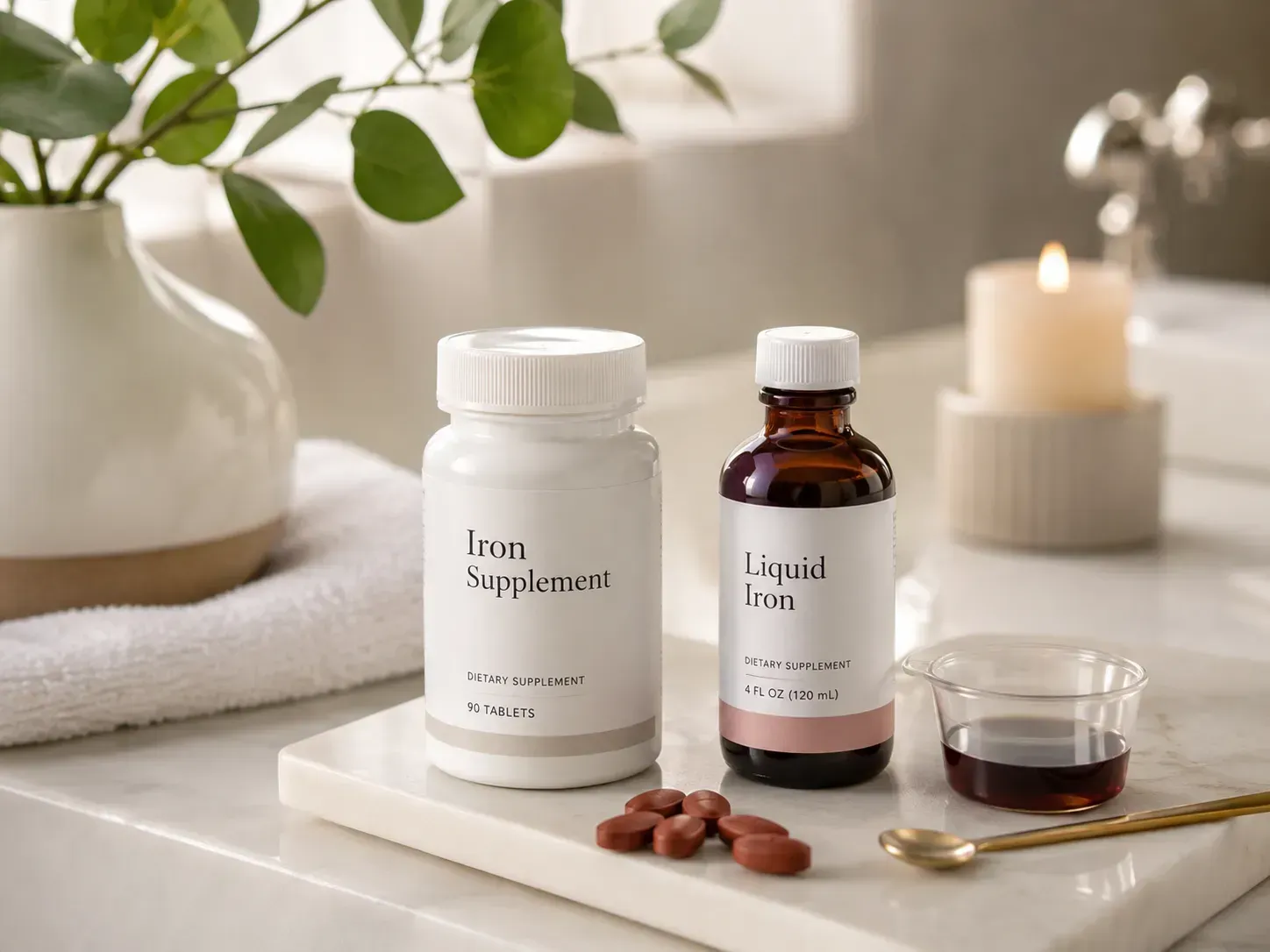
With iron pills, gastrointestinal discomfort is the most common concern. The side effects are usually manageable, but they can be disruptive enough to affect adherence. Iron should also be stored safely, especially around children, because accidental overdose can be dangerous.
With an iron infusion, possible short-term effects can include a temporary metallic taste, headache, nausea, flushing, fatigue, muscle or joint aches, or changes at the IV site. Rarely, people can have a more serious hypersensitivity reaction. That is one reason infusions belong in an appropriately supervised setting with trained medical staff and emergency procedures in place.
Some people worry that IV iron will provide an instant burst of energy. The truth is more measured. It may take days to weeks for the body to use the supplied iron to make new red blood cells, and improvement depends on the cause and severity of the deficiency. If fatigue has several contributing factors, restoring iron may be only one part of the plan.
Low iron is a finding, not a full explanation.
Questions to Ask Before Choosing a Treatment

A thoughtful conversation with your clinician can make the decision much clearer. Ask what your ferritin, hemoglobin, transferrin saturation, and other relevant results mean in your case. Ask whether your low iron appears to be from blood loss, limited dietary intake, absorption concerns, pregnancy, a chronic condition, or another cause.
It is also helpful to ask how quickly levels need to improve, what side effects to expect, when labs will be rechecked, and what would prompt a change from pills to an infusion. If you are pregnant, breastfeeding, have kidney disease, have had prior reactions to IV medications, take multiple medications, or have a history of gastrointestinal conditions, make sure those details are part of the discussion.
Do not begin high-dose iron solely because you recognize a few symptoms online. Iron overload can be harmful, and fatigue deserves a careful evaluation. The goal is not just to raise a lab value. It is to support a treatment plan that makes sense for your body.
Supporting Your Energy While Treatment Takes Effect

Whether you and your clinician choose pills or an infusion, give your body room to recover. Prioritize adequate sleep, balanced meals with protein and iron-containing foods, hydration, and a pace of activity that respects how you feel. Vitamin C-rich foods may support absorption of non-heme iron from plant foods, while a clinician or dietitian can help you build a plan around your dietary needs.
If you are dealing with unusual shortness of breath, chest pain, fainting, a racing heartbeat, black or bloody stools, or rapidly worsening symptoms, seek urgent medical care. Those signs require more than a routine supplement conversation.
At Detoxity MediSpa, we believe feeling your best from the inside out starts with personalized guidance, not one-size-fits-all assumptions. If you are considering iron infusion vs iron pills in The Woodlands, TX, begin with appropriate lab testing and a trusted clinician who can help you choose a safe, restorative next step.
Frequently Asked Questions
Is an iron infusion better than iron pills?
Not automatically. Iron pills are often the first step for mild to moderate deficiency. An infusion may be recommended when pills cause side effects, are not absorbed well, or your iron needs to be restored more quickly. At Detoxity, the decision is made after your labs and a medical consultation.
Do I need lab work before an iron infusion at Detoxity?
Yes. Detoxity always orders its own labs before an iron infusion, and we do not rely on results brought in from elsewhere because we cannot verify them. Your labs guide whether an infusion makes sense and how many sessions you may need.
How long does an iron infusion take?
It depends on the iron formulation and your dose. Plan for a relaxed visit in our IV lounge, with time for monitoring during and after the infusion. Our team will give you a time estimate when your appointment is scheduled.
How soon will I feel better after an iron infusion?
It varies. Your body needs days to weeks to use the iron to build new red blood cells, and results depend on the cause and severity of your deficiency. Follow-up labs help confirm your levels are improving.
Where can I get an iron infusion in The Woodlands, TX?
Detoxity Holistic MediSpa at 329 Sawdust Rd in The Woodlands offers physician-supervised iron infusions after lab testing and a medical consultation. Call or text (832) 745-3320 to start with your labs.
Start With Your Labs
Wondering whether iron pills or an iron infusion is right for you? Our team in The Woodlands can order your labs and walk you through the next step.
Call (832) 745-3320 Text Us Iron Infusions
Learn how mild hyperbaric oxygen therapy benefits may support recovery, relaxation, and wellness in a calm, physician-led setting in The Woodlands, TX today.

No prescription to bring. See how screening works before colon hydrotherapy, who should talk to a doctor first and what to ask before booking in The Woodlands.

Private colonic rooms, an FDA-cleared system and a calm, judgment-free team. See what to expect and how to prepare for colon hydrotherapy in The Woodlands.

Had surgery out of town? Our medical team can remove surgical drains in The Woodlands. Learn timing, what it feels like and aftercare. Call (832) 745-3320.

Many lipo clients plan on 6 to 9 lymphatic sessions. See a realistic schedule, what changes your number and when to call your surgeon. Detoxity, The Woodlands.

When to start lymphatic massage after a tummy tuck, how it helps swelling around your incision and drains, and what to expect at Detoxity in The Woodlands.

Protect your BBL results with gentle lymphatic massage that respects your fat transfer. When to start, how it feels and how many sessions most clients need.

Experience lymphatic drainage massage in The Woodlands, TX with personalized, gentle support for post-op swelling, relaxation, and renewal every visit.

Our guide to wellness drip ingredients explains common IV nutrients, what they may support, and how personalized care protects your comfort and goals.

Ozone saunas make you sweat. Learn dehydration warning signs, how much to drink before and after HOCATT and when to stop a session. Detoxity, The Woodlands.