
832-745-3320



Float Therapy Guide for The Woodlands, TX
...Because Detoxing Is A Way Of Life
October 20, 2026
Float Therapy
A busy mind does not always quiet down because you tell it to. Sometimes the most restorative thing you can do is reduce the noise around you - the notifications, the muscle tension, the pressure to keep moving. This float therapy guide for The Woodlands, TX, explains what a session feels like, who may benefit, and how to prepare for a deeply personal hour of rest.
What Is Float Therapy?

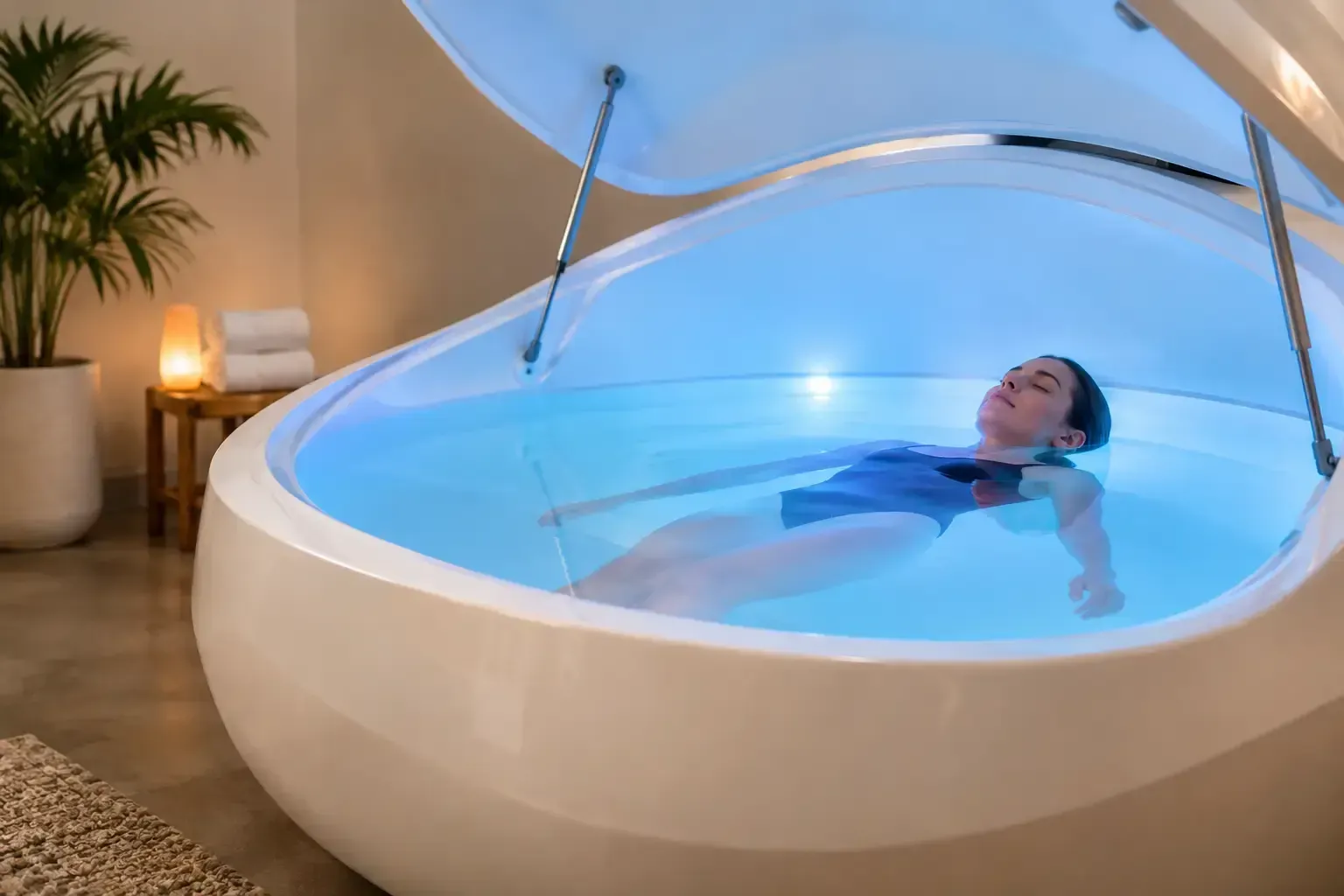
Float therapy takes place in a private, purpose-built float suite or pod filled with warm water and a high concentration of Epsom salt. The salt allows your body to float easily on the surface, while the water is heated close to skin temperature. With the lights lowered or off and sound minimized, many people experience a rare sense of physical weightlessness.
You are not required to meditate, sleep, or have any particular experience to benefit from the quiet. Some guests notice their thoughts slowing almost immediately. Others spend the first part of the session settling in, then gradually feel their shoulders, jaw, hips, and lower back release. Both experiences are completely normal.
The goal is not to force relaxation. It is to create a comfortable environment where your body has fewer external demands and your nervous system has space to reset.
Why People Choose Float Therapy

Float sessions can be a thoughtful addition to a wellness or recovery routine when life feels physically or mentally demanding. Clients often choose floating after intense workouts, long workweeks, travel, post-surgical recovery milestones, or periods when restful sleep feels harder to come by.
The buoyancy of the water may help take pressure off tired joints and overworked muscles. The quiet, low-stimulation setting may also support relaxation, mental clarity, and a calmer transition into the rest of your day. Some people leave feeling refreshed and alert; others feel pleasantly sleepy and ready for an early night.
Results are individual. A single session can feel restorative, but many guests find that consistency matters more than chasing a dramatic one-time result. If you are managing pain, swelling, a medical condition, or recovery from surgery, float therapy should complement - not replace - guidance from your physician or surgical team.
What to Expect During Your First Float

Your appointment begins with a brief orientation. A team member will show you the room, explain how the float environment works, and answer practical questions before you begin. Privacy is part of the experience. You will have time to shower before entering the water, float at your own comfort level, shower again afterward, and get dressed without feeling rushed.
You can float with the room light on, dimmed, or off depending on the setup and your preference. Many first-time guests appreciate starting with soft light or calming music, then changing the environment once they feel settled. You are always in control of your session.
The water is shallow, and the salt does the work of holding you up. Most people float on their back with their ears in the water, though you can use a neck float or adjust your arm position until you find what feels natural. If water reaches your eyes, a clean towel and fresh water are typically available for comfort.
At first, you may notice every small thought or physical sensation. Give yourself permission to simply observe it. There is nothing to accomplish. A few slow breaths, relaxed hands, and a gentle unclenching of the jaw can help your body recognize that it is safe to rest.
You Do Not Need to Be Comfortable in Deep Water
A common concern is whether floating feels like swimming. It does not. You are lying back in highly buoyant water, not treading water or trying to stay afloat. The room is private, and you can get out at any time if you need a break. For people who feel claustrophobic or uncertain, keeping the light on and the door or pod lid open, when applicable, can make the first experience feel more approachable.
Eat a light meal one to two hours before your appointment rather than arriving overly hungry or uncomfortably full.
How to Prepare for a Better Session

A little preparation makes a difference. Eat a light meal one to two hours before your appointment rather than arriving overly hungry or uncomfortably full. Avoid shaving or waxing immediately beforehand, since the concentrated salt water can sting freshly irritated skin. It is also wise to limit caffeine for several hours before your float if you are hoping for a quieter, more restful experience.
Arrive a few minutes early so your appointment does not begin with a rush. Remove contact lenses before floating, skip heavy hair products if possible, and bring anything you need to feel comfortable afterward. Most guests prefer loose, easy clothing for the ride home, especially if they are pairing their float with massage, lymphatic care, or another restorative service.
Hydration supports every wellness routine. Drink water before and after your session, especially in Texas heat or after a workout. You do not need to overdo it - simply listen to your body and give yourself a little extra time before jumping back into a full schedule.
When to Reschedule or Ask First

Float therapy is gentle for many people, but it is not the right fit for every moment. Reschedule if you have an open wound, active skin infection, contagious illness, diarrhea, or a condition that makes it difficult to safely enter and exit the float environment. Freshly shaved skin, a new tattoo, or recent waxing can make the salt water uncomfortable as well.
If you are pregnant, have a seizure disorder, uncontrolled blood pressure concerns, significant mobility limitations, severe vertigo, or are recovering from a procedure, ask your physician or care team whether floating is appropriate for you. The same goes for anyone taking medication that causes marked drowsiness or affects balance. Personalized guidance is part of making wellness care feel safe, not restrictive.
For post-op clients, timing matters. Wait until your surgeon has cleared you for soaking in water and for the specific level of activity involved in entering and leaving a float suite. A careful recovery plan should always lead the conversation.
Making Float Therapy Part of Your Routine

A float can stand alone as dedicated self-care, but it also pairs naturally with other recovery-focused services. Some clients schedule a float after therapeutic massage to extend that relaxed, loose feeling. Others use it on a separate day from a demanding workout, travel week, or emotionally full season when they need space to decompress.
There is no universal schedule. Monthly sessions can be a meaningful maintenance ritual for someone with a packed calendar, while weekly sessions may suit a person building a more intentional stress-management routine. Pay attention to how you feel later that day, how you sleep that night, and whether you notice a difference in tension or energy over time.
At Detoxity MediSpa, the experience is designed to feel both elevated and approachable: a quiet place to pause, restore, and reconnect with what your body needs. The best plan is one that fits your lifestyle, recovery goals, and comfort level.
Why clients in The Woodlands choose Detoxity for float therapy
- Private float suites with time to shower before and after
- A team that walks first-time floaters through every step
- Easy pairing with float + massage, lymphatic drainage or IV hydration
- A physician-supervised medispa for clients with health or recovery questions
- Packages and memberships for a regular float routine
Float Therapy FAQs
Should I wear a swimsuit?
That is a personal preference. Many people choose to float without one because fabric can feel distracting in the water, while others feel more comfortable wearing a swimsuit. The important thing is that you feel relaxed and supported in your private space.
Will I get cold?
The water is typically warmed near skin temperature, which helps reduce the sensation of where your body ends and the water begins. If you tend to chill easily, ask the care team what to expect and use any comfort options available.
What if I cannot quiet my thoughts?
That is one of the most normal first-float experiences. You do not have to empty your mind for the session to be worthwhile. Let thoughts come and go, return your attention to your breath, and allow rest to be enough.
How long does a float therapy session last?
Most float sessions last about an hour, plus time to shower before and after.
Can I float after surgery?
Wait until your surgeon clears you for soaking in water and for getting in and out of a float suite. Your recovery plan should lead the timing.
Experience Float Therapy in The Woodlands
Give yourself permission to take an hour off from carrying everything. Visit Detoxity Holistic MediSpa at 329 Sawdust Rd, The Woodlands, TX 77380, or call or text 832-745-3320 to book your first float.
Call or Text 832-745-3320
A medical spa guide for The Woodlands, TX: what physician-supervised care looks like, popular treatments, and how to choose the right medspa for your goals.
Learn how to use float therapy for a calmer reset, better recovery, and restorative quiet, plus what to expect during your session in The Woodlands, TX.

Explore top ways to improve circulation with movement, hydration, massage, and restorative recovery support in The Woodlands, TX, for daily wellness and comfort.
Explore membership benefits for wellness treatments, from consistent recovery care to meaningful savings, with personalized support in The Woodlands, TX.
A guide to therapeutic massage care for easing tension, supporting recovery, and choosing a personalized session in The Woodlands, TX that fits your goals.

Explore detox therapies for inflammation that may support hydration, circulation, relaxation, and recovery through personalized care in The Woodlands, TX.
Colonic vs enema: how they differ in reach, comfort, setting and safety, and how to choose. Colon hydrotherapy in The Woodlands, TX.
Compare medical massage versus relaxation massage to choose supportive care for pain, recovery, muscle tension, or restorative calm in The Woodlands, TX.
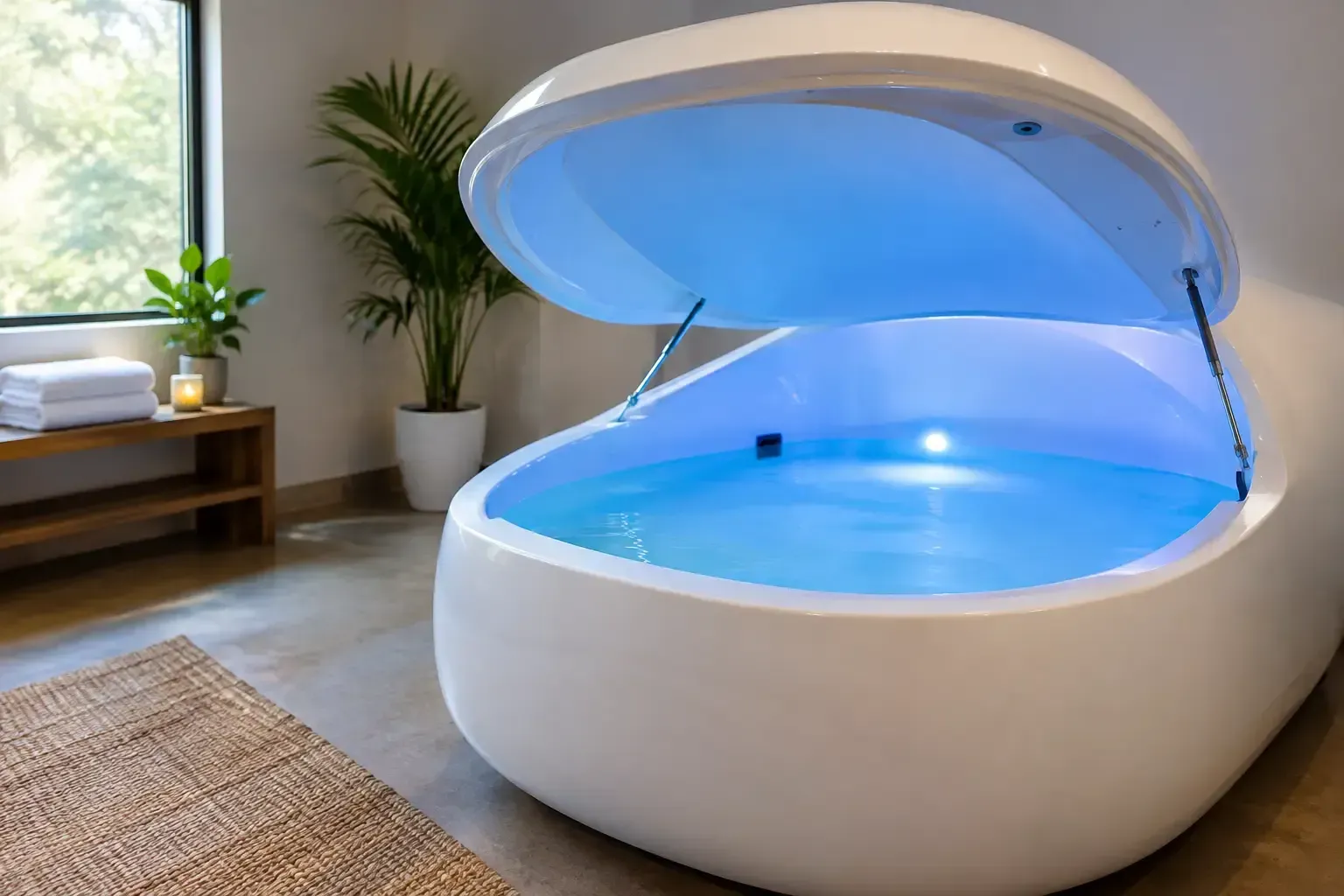
Are float tanks sanitary? Learn how high-salt water, filtration, testing, and thoughtful studio practices help support a clean, calming float session.

Compare IV vitamins versus oral supplements for hydration, recovery and wellness, and learn which may fit your goals with physician-supervised care in The Woodlands, TX.