
832-745-3320

Top Ways to Improve Circulation in The Woodlands, TX
...Because Detoxing Is A Way Of Life
October 28, 2026
Circulation & Wellness
That heavy-legged, puffy, sluggish feeling is not always a sign that you need to push harder. Often, your body needs more consistent movement, hydration, recovery, and rest. If you are looking for top ways to improve circulation in The Woodlands, TX, start with simple daily habits, then consider personalized support when swelling, post-surgical recovery, or persistent discomfort needs more attention.
Circulation is how your heart, blood vessels, and muscles work together to deliver oxygen and nutrients throughout the body and carry waste products away. It affects much more than your feet and hands. Healthy blood flow supports physical performance, temperature regulation, healing, energy, and the way your body feels after sitting, traveling, exercising, or recovering from a procedure.
Why circulation can feel sluggish

Long hours at a desk, car rides around Houston, dehydration, stress, poor sleep, and limited activity can all leave the body feeling less energized. Heat, hormone changes, certain medications, pregnancy, and recovery after surgery can also contribute to temporary swelling or heaviness.
Not every symptom is a wellness issue. New one-sided leg swelling, warmth, redness, severe pain, chest pain, shortness of breath, fainting, or sudden weakness requires urgent medical attention. If swelling or numbness is persistent, worsening, or unexplained, speak with your medical provider before booking any bodywork or wellness service.
Top ways to improve circulation every day

Move often, not only intensely
Your calf muscles are sometimes called a second pump because their contractions help encourage blood return from the lower legs. You do not need an exhausting workout to benefit. A brisk walk, a few flights of stairs, gentle cycling, swimming, or a mobility routine can all help support circulation.
The bigger difference often comes from frequency. If you sit for work, set a realistic goal to stand, stretch, or walk for a few minutes every hour. Try ankle circles, calf raises, slow bodyweight squats, or a lap around the office. For many people, short movement breaks are more sustainable than relying on one hard workout at the end of the day.
If you are newly post-op, have a vascular condition, or are returning to activity after an injury, follow the movement plan provided by your surgeon or physician. More activity is not always better during recovery.
Hydrate for the day you are actually having
Your blood contains a high percentage of water, so hydration matters. Hot Texas weather, workouts, alcohol, travel, caffeine, illness, and busy schedules can all make it easier to fall behind. Rather than chugging water late in the day, keep fluids nearby and drink steadily from morning through evening.
Water is a solid foundation, but electrolyte needs vary. Someone who sweats heavily outdoors may need a different approach than someone with kidney, heart, or blood-pressure concerns. If you have been told to limit fluids or sodium, follow your clinician's instructions. Personalized hydration support may also be appropriate for some clients under medical supervision, particularly when travel, exertion, or poor intake has left them feeling depleted.
Build meals around circulation-friendly basics
Food cannot replace medical care for a circulation problem, but everyday nutrition can support overall cardiovascular wellness. Aim for colorful produce, fiber-rich foods, adequate protein, and healthy fats from sources such as fish, nuts, seeds, avocado, and olive oil. These choices support steady energy and help make regular movement easier.
It also helps to notice what makes you feel more swollen or uncomfortable. Highly processed foods, excess alcohol, and very salty meals may contribute to water retention for some people. The goal is not perfection or a restrictive cleanse. It is creating habits that help you feel clear, nourished, and consistent.
Use breath and posture as recovery tools
Stress can show up physically through shallow breathing, tense shoulders, clenched muscles, and poor sleep. A few minutes of slow diaphragmatic breathing can help your body shift out of that constantly rushed state. Try inhaling gently through your nose, allowing the rib cage and belly to expand, then exhaling slowly without forcing it.
Posture matters, too. Crossing your legs occasionally is not usually a concern, but staying folded into the same position for hours can leave your hips and legs feeling tight. Adjust your chair, support your feet, soften your shoulders, and change positions regularly. Small corrections add up over a full workweek.
Prioritize sleep and recovery
Your circulation does not operate separately from the rest of your health. Poor sleep can make exercise feel harder, increase stress, and leave you reaching for quick fixes that do not address the cause of feeling run-down. Create a wind-down routine that is realistic: dim the lights, put the phone down earlier, take a warm shower, stretch gently, or spend a few quiet minutes in a restorative space.
Recovery is especially important after demanding workouts, long travel days, or surgery. Giving your body permission to rest is not laziness. It is part of supporting the systems that keep you moving well.
When hands-on support may help

For clients who feel tight, achy, or heavy after long periods of sitting or activity, therapeutic massage may help relax muscles and support a sense of ease. Massage is not a treatment for blood clots, vascular disease, or unexplained swelling, which is why a qualified provider should review your health history and any current symptoms first.
Manual lymphatic drainage is another gentle, specialized technique often sought by clients managing post-surgical swelling under their surgeon's guidance. It uses light, deliberate strokes intended to support lymphatic flow and comfort during recovery. Timing, frequency, and suitability depend on the procedure, your healing stage, and your medical team's recommendations. It should never replace post-operative instructions or follow-up care.
Float therapy, restorative bodywork, and carefully selected heat-based relaxation services may also help some people unwind, release muscle tension, and reconnect with their recovery routine. These are supportive wellness experiences, not substitutes for diagnosis or treatment when symptoms point to a medical concern.
Your body is healing, and the right plan can look very different from one person to another.
A thoughtful approach after cosmetic surgery

After a mommy makeover, breast procedure, liposuction, or other body surgery, circulation and swelling questions deserve individualized guidance. Your body is healing, and the right plan can look very different from one person to another. Your surgeon's clearance comes first, followed by a recovery plan that respects incision care, compression requirements, pain levels, activity restrictions, and signs of complications.
At Detoxity MediSpa, physician-led wellness and recovery services are designed to complement that process with a calm, supportive experience. Clients can discuss their goals and recovery stage so their care feels personal rather than one-size-fits-all.
Why clients in The Woodlands choose Detoxity for circulation and recovery support
- A physician-supervised medispa with a physician on site to review health history first
- Lymphatic drainage led by a certified lymphedema therapist (CLT)
- Post-op support including help with compression garments and surgical drain removal
- Massage, float therapy, HOCATT and IV hydration under one roof
- Packages, memberships and financing
Make consistency your circulation strategy

The most effective routine is usually not dramatic. It is drinking water before you are depleted, taking a walk before your legs feel stiff, choosing rest before exhaustion takes over, and asking for professional guidance when your body needs more support. Start with one or two habits you can repeat this week, then build from there.
If you are ready for restorative support that fits your wellness or post-op recovery plan, a personalized visit in The Woodlands, TX can be a meaningful next step toward feeling lighter, more comfortable, and cared for from the inside out.
Circulation FAQs
What are the best ways to improve circulation every day?
Move often, especially with short walks and calf raises if you sit for work, hydrate steadily through the day, eat colorful whole foods, breathe slowly to ease stress, and protect your sleep. Small habits repeated daily tend to matter more than one hard workout.
Can massage improve circulation?
Therapeutic massage may help relax tight muscles and support a sense of ease after sitting or activity. It is not a treatment for blood clots, vascular disease or unexplained swelling, so a provider should review your health history first.
Does lymphatic drainage help swelling after surgery?
Manual lymphatic drainage uses light, deliberate strokes intended to support lymphatic flow and comfort during recovery. Timing and frequency depend on your procedure and your surgeon's guidance.
When is leg swelling a medical emergency?
New one-sided leg swelling, warmth, redness, severe pain, chest pain, shortness of breath, fainting or sudden weakness need urgent medical attention. Do not book bodywork until a medical provider has evaluated you.
Where can I get circulation and recovery support in The Woodlands, TX?
Detoxity Holistic MediSpa at 329 Sawdust Rd offers physician-supervised lymphatic drainage, massage, float therapy and IV hydration for clients from The Woodlands, Spring, Conroe and north Houston.
Feel Lighter With Support in The Woodlands
Visit Detoxity Holistic MediSpa at 329 Sawdust Rd, The Woodlands, TX 77380. Call or text 832-745-3320 to build a wellness or post-op recovery plan that fits you.
Call or Text 832-745-3320
A medical spa guide for The Woodlands, TX: what physician-supervised care looks like, popular treatments, and how to choose the right medspa for your goals.
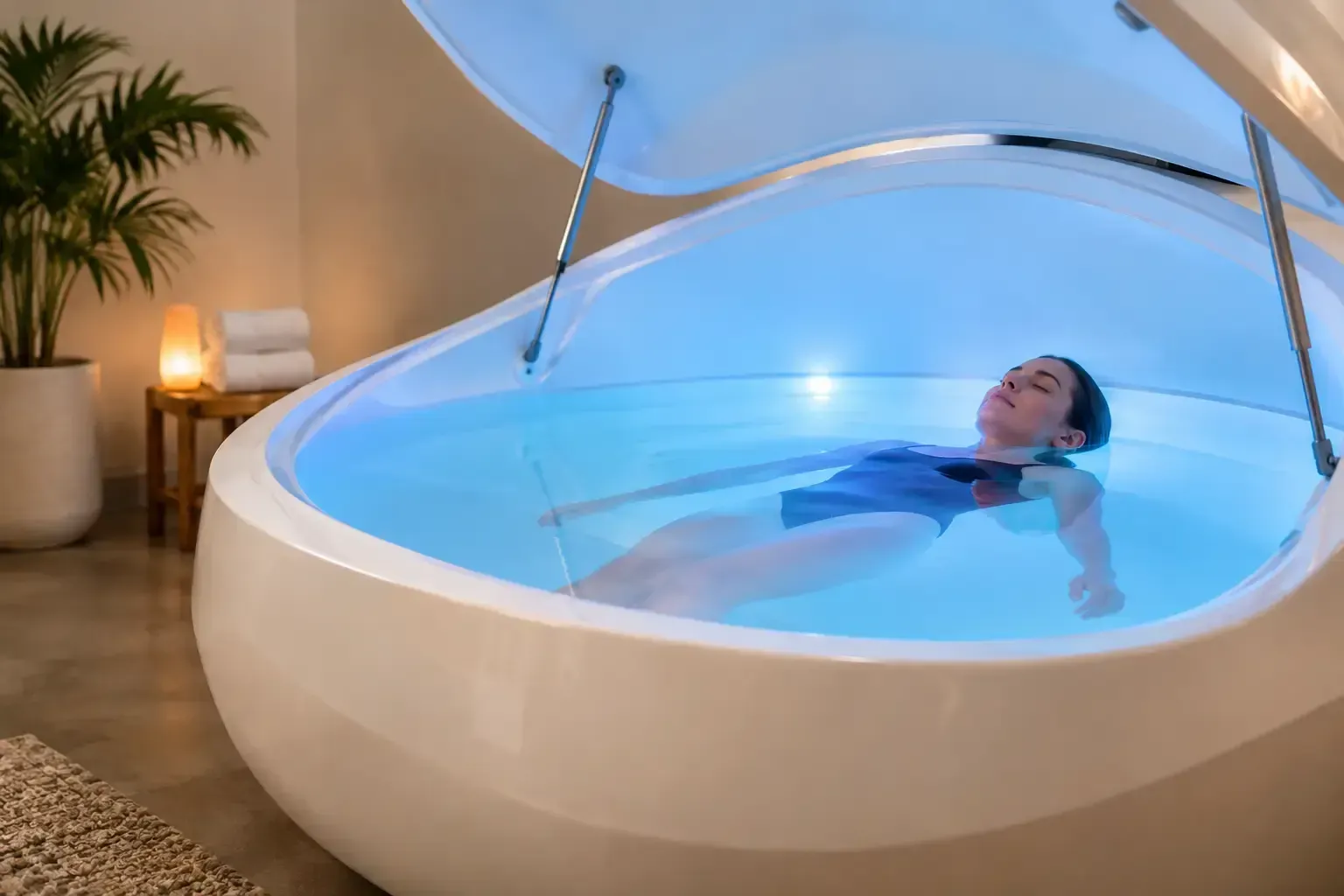
Learn how to use float therapy for a calmer reset, better recovery, and restorative quiet, plus what to expect during your session in The Woodlands, TX.

Explore membership benefits for wellness treatments, from consistent recovery care to meaningful savings, with personalized support in The Woodlands, TX.
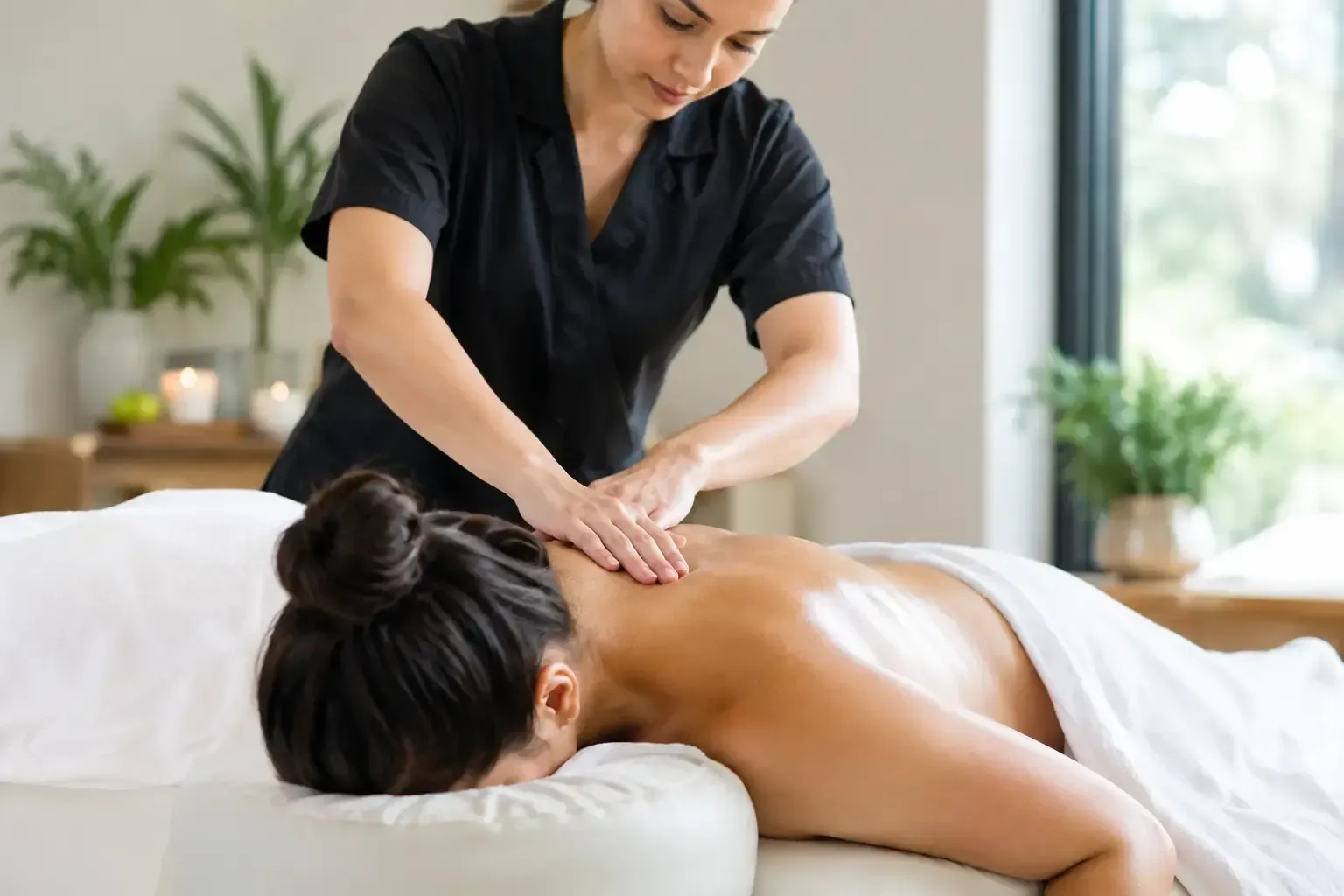
A guide to therapeutic massage care for easing tension, supporting recovery, and choosing a personalized session in The Woodlands, TX that fits your goals.

Explore detox therapies for inflammation that may support hydration, circulation, relaxation, and recovery through personalized care in The Woodlands, TX.
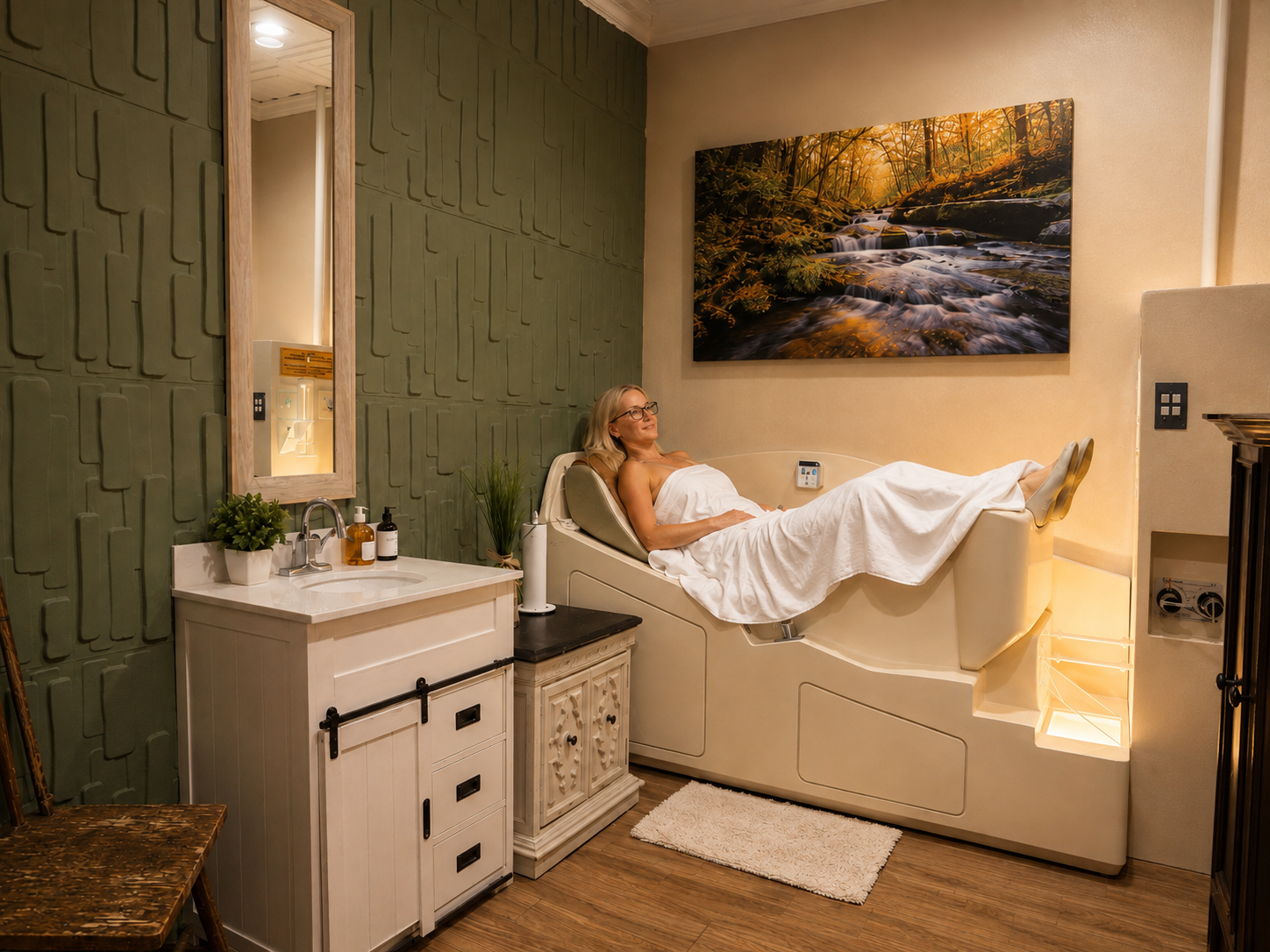
Colonic vs enema: how they differ in reach, comfort, setting and safety, and how to choose. Colon hydrotherapy in The Woodlands, TX.
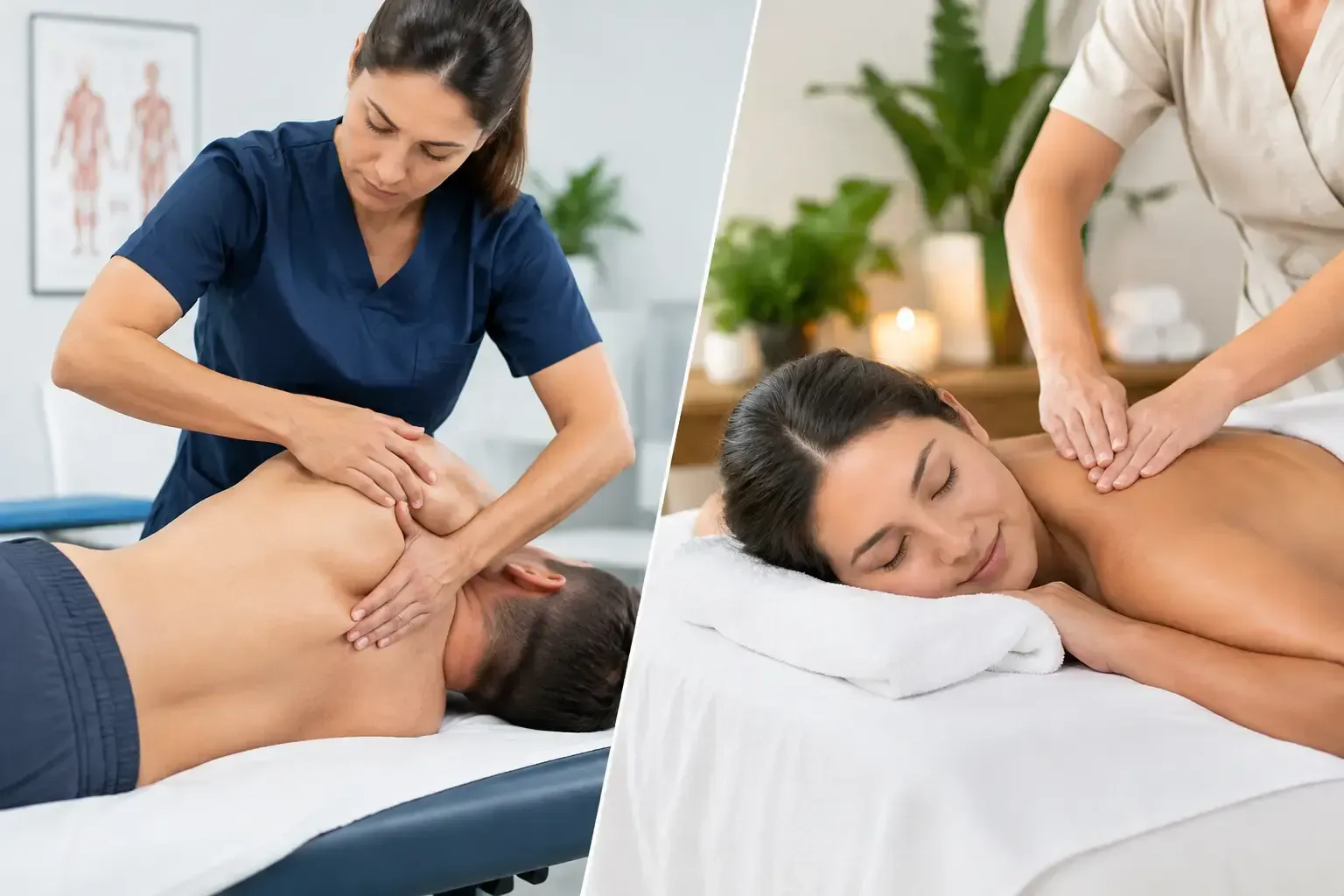
Compare medical massage versus relaxation massage to choose supportive care for pain, recovery, muscle tension, or restorative calm in The Woodlands, TX.

Are float tanks sanitary? Learn how high-salt water, filtration, testing, and thoughtful studio practices help support a clean, calming float session.

Compare IV vitamins versus oral supplements for hydration, recovery and wellness, and learn which may fit your goals with physician-supervised care in The Woodlands, TX.

Are vitamin injections safe? Learn how medical screening, trained administration, appropriate dosing, and aftercare can support a safer wellness session.