
832-745-3320


Guide to Therapeutic Massage Care in The Woodlands, TX
...Because Detoxing Is A Way Of Life
October 26, 2026
Therapeutic Massage
A massage can feel wonderful and still miss the reason you booked it. If your shoulders tighten by midafternoon, your legs feel heavy after travel, or you are rebuilding your routine after a procedure, the right session should begin with your needs, not a one-size-fits-all menu. This guide to therapeutic massage care in The Woodlands, TX explains how a thoughtful, personalized approach can help you feel more comfortable, supported, and connected to your recovery.
What Therapeutic Massage Care Is Designed to Do

Therapeutic massage is purposeful bodywork tailored to a specific concern, whether that is persistent muscle tension, limited comfort with movement, exercise-related soreness, stress held in the body, or a recovery goal. It may use a combination of Swedish massage, focused pressure, stretching, and slower techniques chosen for your comfort level. The experience can still be deeply relaxing, but relaxation is not the only objective.
The difference is the assessment. Rather than deciding in advance that everyone needs deep pressure, a skilled therapist considers where you feel discomfort, how long it has been present, your activity level, health history, and what your body can tolerate that day. Some clients benefit from broad, calming work across the back and neck. Others need careful attention to overworked hips, calves, or forearms. More pressure is not automatically better pressure.
Massage may support circulation, temporary relief from muscle tightness, relaxation, sleep quality, and a greater sense of ease in the body. Results vary, especially when discomfort has several causes. Therapeutic massage is not a substitute for medical diagnosis or treatment, and ongoing, severe, or unexplained pain deserves evaluation by a qualified healthcare provider.
A Guide to Therapeutic Massage Care That Starts With Your Goal

Before your appointment, put your goal into plain language. You do not need to know the name of every muscle or technique. Saying, “My upper back feels locked after working at my desk,” or “I want to feel less stiff before my event this weekend,” gives your therapist useful direction.
Be ready to share recent injuries, surgeries, medications, allergies, pregnancy, skin sensitivities, circulation concerns, and any areas you do not want touched. This is not paperwork for paperwork’s sake. It helps your care team determine whether massage is appropriate now, which techniques to avoid, and when a gentler approach makes more sense.
A good intake conversation also sets expectations. Ask what the session may feel like, whether temporary tenderness is possible, and what signs would mean you should pause. You remain in control throughout the service. Speak up if the room temperature, music, positioning, pressure, or technique is not working for you. Clear feedback creates better care, not an awkward interruption.
Choosing Pressure With Your Body, Not Your Ego
Many people arrive believing that a massage only “works” if it hurts. In reality, intense pressure can cause guarding, especially when muscles are already irritated or you are under stress. Productive therapeutic work may feel focused, tender, or pleasantly intense, but it should not make you hold your breath, tense against the table, or dread the next pass.
Your ideal pressure can change from one appointment to the next. A client training for a race may want targeted work on one visit and a lighter recovery-focused session after a demanding week. Someone with chronic desk tension may need gradual progress rather than aggressive work all at once. The goal is to leave feeling cared for, not conquered.
Massage During Post-Surgical Recovery Requires Extra Care

Post-surgical massage care is its own category. Following cosmetic or other body procedures, the body may be managing swelling, tenderness, restricted movement, and a healing timeline that should be respected. The safest plan is shaped by your surgeon’s instructions, your stage of recovery, and the training of the provider supporting you.
Always obtain clearance from your surgeon before scheduling massage after a procedure. Bring any specific instructions about compression garments, incisions, activity limits, and areas that should be avoided. Do not assume that a standard massage is appropriate simply because you feel ready for one.
When clinically appropriate, specialized recovery-focused services such as manual lymphatic drainage may be incorporated into a broader plan. These sessions are generally gentle and intentional, not deep tissue massage. They are designed around comfort, approved recovery protocols, and careful observation of how your body responds. If you experience fever, increasing redness or warmth, unusual drainage, shortness of breath, chest pain, sudden swelling, or worsening pain, contact your surgical team promptly rather than booking a massage.
For clients in The Woodlands and greater Houston area, a physician-led wellness setting can offer added reassurance when massage is part of a larger recovery plan. At Detoxity MediSpa, care can be coordinated with other restorative services based on individual goals and appropriate guidance.
The best preparation is simple: arrive hydrated, wear comfortable clothing, and give yourself enough time that you are not rushing in or out.
How to Prepare for a Better Session

The best preparation is simple: arrive hydrated, wear comfortable clothing, and give yourself enough time that you are not rushing in or out. Eat a light meal if needed, but avoid arriving uncomfortably full. If you use a new topical pain cream, self-tanning product, or skin treatment, mention it before the session so your therapist can adjust accordingly.
Try not to schedule your first therapeutic massage immediately before a strenuous workout, long drive, or packed social evening. Some people feel energized afterward; others feel calm, sleepy, or mildly tender. Leaving a little room in your day lets you notice how your body responds.
Afterward, continue drinking water, take an easy walk if it feels good, and follow any personalized aftercare suggestions. Gentle movement can feel supportive after bodywork, while hard training may not be the best choice if an area has been heavily focused on. Pay attention over the next 24 to 48 hours. A little tenderness can happen, but sharp pain, new numbness, significant bruising, or symptoms that concern you call for medical guidance.
When Regular Care May Be More Helpful Than One Long Session

One massage can be a welcome reset. Yet when tension has developed over months, a series of shorter, consistent sessions may be more practical than one intense appointment. This is especially true for clients balancing long workdays, active training plans, caregiving, travel, or recovery milestones.
Frequency depends on your goal, budget, schedule, and response to care. Weekly sessions may make sense for a limited period during a demanding recovery or high-stress season. Every two to four weeks may be a better maintenance rhythm once you feel more balanced. Your plan should feel sustainable, not like another obligation on your calendar.
Therapeutic massage also works best when it is one part of sensible self-care. Ergonomic changes at work, regular movement, quality sleep, stress management, physical therapy when recommended, and medical follow-up can all matter. Massage does not have to carry the entire burden of feeling better.
Questions Worth Asking Before You Book

Choose a provider who welcomes questions and can explain their approach clearly. Ask whether they have experience with your concern, how they adapt pressure, what information they need before your appointment, and when they would recommend postponing care. If you are seeking post-op support, ask specifically about training, surgeon clearance, and the recovery protocols they follow.
The atmosphere matters, too. A clean, calm environment helps your nervous system settle, while knowledgeable communication helps you make decisions with confidence. You should never feel pressured to accept a technique, package, or schedule that does not fit your needs.
Your body is always giving you information. Therapeutic massage care creates a quiet space to listen to it, respond with intention, and build a more supportive rhythm for recovery and wellness. When you are ready for personalized guidance, choose care in The Woodlands, TX that meets you where you are and helps you move forward feeling more at home in your body.
Why clients in The Woodlands choose Detoxity for therapeutic massage
- Licensed massage therapists who tailor pressure and technique to your goal
- A physician-supervised medispa with a physician on site
- Post-op massage and lymphatic drainage led by a certified lymphedema therapist (CLT)
- Easy pairing with float + massage, IV hydration and HOCATT
- Packages and memberships for regular care
Therapeutic Massage FAQs
What is therapeutic massage?
Therapeutic massage is purposeful bodywork tailored to a specific concern such as muscle tension, exercise soreness, stress held in the body or a recovery goal. It may combine Swedish massage, focused pressure, stretching and slower techniques.
Does a therapeutic massage have to hurt to work?
No. Intense pressure can cause muscles to guard. Productive work may feel focused or tender, but it should not make you hold your breath or tense against the table.
Can I get a massage after surgery?
Only with your surgeon's clearance. Post-op care is often gentle, specialized work such as manual lymphatic drainage rather than deep tissue massage, and it follows your surgeon's instructions.
How often should I get a therapeutic massage?
It depends on your goal, budget and schedule. Weekly sessions may help for a limited time during recovery or a high-stress season, while every two to four weeks is a common maintenance rhythm.
Where can I get therapeutic massage in The Woodlands, TX?
Detoxity Holistic MediSpa at 329 Sawdust Rd offers therapeutic, medical and post-surgical massage for clients from The Woodlands, Spring, Conroe and north Houston.
Book Therapeutic Massage in The Woodlands
Visit Detoxity Holistic MediSpa at 329 Sawdust Rd, The Woodlands, TX 77380. Call or text 832-745-3320 to book a session built around your goals.
Call or Text 832-745-3320
A medical spa guide for The Woodlands, TX: what physician-supervised care looks like, popular treatments, and how to choose the right medspa for your goals.

Learn how to use float therapy for a calmer reset, better recovery, and restorative quiet, plus what to expect during your session in The Woodlands, TX.

Explore top ways to improve circulation with movement, hydration, massage, and restorative recovery support in The Woodlands, TX, for daily wellness and comfort.

Explore membership benefits for wellness treatments, from consistent recovery care to meaningful savings, with personalized support in The Woodlands, TX.

Explore detox therapies for inflammation that may support hydration, circulation, relaxation, and recovery through personalized care in The Woodlands, TX.

Colonic vs enema: how they differ in reach, comfort, setting and safety, and how to choose. Colon hydrotherapy in The Woodlands, TX.
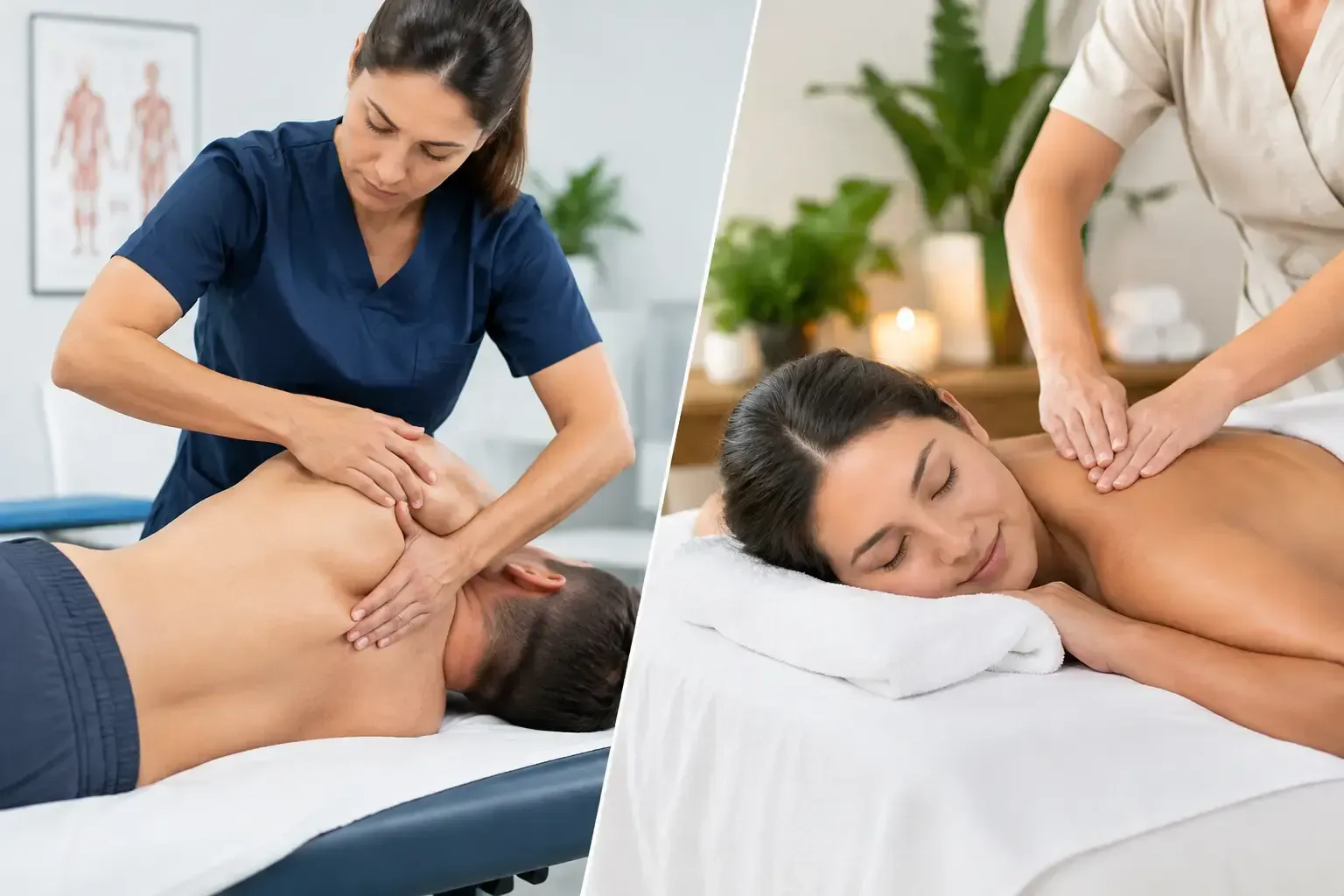
Compare medical massage versus relaxation massage to choose supportive care for pain, recovery, muscle tension, or restorative calm in The Woodlands, TX.

Are float tanks sanitary? Learn how high-salt water, filtration, testing, and thoughtful studio practices help support a clean, calming float session.

Compare IV vitamins versus oral supplements for hydration, recovery and wellness, and learn which may fit your goals with physician-supervised care in The Woodlands, TX.

Are vitamin injections safe? Learn how medical screening, trained administration, appropriate dosing, and aftercare can support a safer wellness session.