
832-745-3320

Are Float Tanks Sanitary? The Woodlands, TX
...Because Detoxing Is A Way Of Life
October 23, 2026
Float Therapy
A float session should feel like a reset for your nervous system, not a question mark about cleanliness. If you have been asking, are float tanks sanitary, the honest answer is that they can be - when the center follows disciplined water-care, cleaning, and client-preparation practices. For guests considering float therapy in The Woodlands, TX, knowing what happens between sessions can make it much easier to relax into the experience.
Float tanks are not meant to be sterile. They are shared wellness environments, much like pools, spas, and treatment rooms. What matters is whether the facility has a reliable system for managing the water, disinfecting surfaces, filtering between guests, and setting clear expectations for every person who floats.
Are Float Tanks Sanitary When Properly Maintained?

A professionally maintained float tank is designed with sanitation in mind. The water contains a very high concentration of Epsom salt, which allows the body to float effortlessly. That salinity creates a challenging environment for many microorganisms, but salt alone is not a complete sanitation plan.
Responsible float centers pair saltwater with an approved disinfectant system, often chlorine or bromine, plus mechanical filtration. Some facilities also use UV light, ozone, or other supplemental systems. These tools may add another layer of water treatment, but they should not replace appropriate disinfectant levels, filtration, testing, and routine maintenance.
The key point is simple: sanitation comes from the entire process, not from any one feature. A high-salt float tank that is poorly maintained is not automatically clean. A center with consistent protocols, trained staff, and careful attention to water quality gives guests a much stronger reason to feel confident.
What Should Happen Between Float Sessions?

At a well-run float center, the tank water should be circulated through a filtration and sanitation system after each guest leaves. The exact setup varies by tank design and local requirements, but the goal is the same: move the water through the treatment system, capture debris, and maintain proper disinfectant levels before the next session.
The tank’s high-contact surfaces need attention, too. That includes the door or lid, handles, shower area, floor, headrests, benches, and any items guests may touch. Fresh towels, clean earplugs when provided, and a tidy shower space are not small details. They are visible signs that a wellness center respects both your comfort and your health.
Water chemistry should also be checked on a regular schedule. Proper pH and disinfectant levels help the sanitation system work as intended while keeping the experience more comfortable for skin and eyes. A center should be able to explain its approach without becoming defensive or vague.
Why Showering Before a Float Matters
A pre-float shower is part of the sanitation process, not just a courtesy. Showering removes body oils, lotions, deodorant residue, makeup, hair products, and everyday contaminants before you enter the tank. It also helps protect the water balance and reduces the workload on the filtration system.
Guests should shower with soap before every float, even if they showered at home. It is also wise to avoid applying fresh lotions, oils, or heavy skincare products before your appointment. These products can affect water quality and may create irritation in the saltwater.
Centers should provide clear guidance before your session. If you are unsure what to do, ask. A thoughtful team will make the process feel easy, private, and welcoming rather than clinical or awkward.
Questions Worth Asking Before You Book

You do not need to become a water-chemistry expert to choose a clean float experience. A few straightforward questions can tell you a lot about a facility’s standards. Ask how the water is filtered between clients, what disinfectant system is used, how often water levels are tested, and how shared surfaces are cleaned.
You can also ask what the center asks of guests before floating. Do clients shower first? Are they asked to reschedule if they are ill, have an active contagious skin condition, or have had recent gastrointestinal symptoms? Does the center have guidelines around open cuts, fresh hair dye, or other situations that could affect comfort and water quality?
A quality center will welcome these questions. You are trusting them with a restorative hour of your time, and you deserve clear answers. The most reassuring response is usually a specific one: not simply “we keep it clean,” but an explanation of the routine behind that promise.
Questions to ask any float center
- How is the water filtered and treated between guests?
- Which disinfectant system do you use, and how often is water chemistry tested?
- How are the door, handles, shower and other shared surfaces cleaned?
- Do all guests shower with soap before floating?
- When do you ask guests to reschedule?
Consider rescheduling if you have a fever, vomiting, diarrhea, a contagious illness, an active rash, or open wounds that have not healed.
When It Makes Sense to Reschedule
Float therapy is deeply relaxing, but there are times when waiting is the better choice for you and for others. Consider rescheduling if you have a fever, vomiting, diarrhea, a contagious illness, an active rash, or open wounds that have not healed. Saltwater can sting even very small cuts, so recent shaving, waxing, or skin treatments may make a float less comfortable as well.
People with a healing incision, recent surgery, or a medical concern should follow their physician’s guidance before floating. For clients navigating post-surgical recovery, timing matters. Your body may benefit from rest and calming support, but the tank should only be part of your recovery plan when your provider has cleared you for it.
Menstruation does not necessarily prevent a float, but using appropriate menstrual protection is essential. If you have recently colored your hair, especially with a vivid or semi-permanent color, wait until the color is no longer rinsing out. These simple choices help keep the water clean and protect the experience for the next guest.
What Clean Float Therapy Should Feel Like

A clean float environment should feel calm before you ever enter the water. The lobby and treatment areas should be orderly, the shower should look freshly cared for, and the tank room should not have an unpleasant odor. The water itself may feel silky from the Epsom salt, but it should not look cloudy or contain visible debris.
Some guests notice a mild sanitizer scent, while others notice very little scent at all. Smell is not a dependable measure of cleanliness, though. Strong chemical odors can sometimes come from compounds that form when disinfectants interact with contaminants, rather than proving that a space is especially clean. Consistent testing and maintenance matter more than fragrance.
You should also feel supported by the staff. First-time floaters often have practical questions: How do I use the earplugs? What if saltwater gets in my eyes? Can I leave the light on? A caring team makes room for those questions, because comfort is part of a restorative experience.
A Balanced View of Float Tank Hygiene

No shared wellness service is risk-free, and no reputable provider should imply otherwise. Float tank sanitation depends on equipment, daily practices, staff training, client cooperation, and responsible water-quality management. That is why the best question is not whether all float tanks are sanitary. It is whether a specific center shows the care and transparency that sanitation requires.
For many people, float therapy can be a peaceful addition to an intentional self-care routine. The quiet, buoyancy, and break from stimulation may support relaxation, muscle recovery, and a sense of reset from the inside out. Choosing a center that takes cleanliness seriously allows you to focus on those benefits instead of wondering what is happening beneath the surface.
If you are exploring float therapy in The Woodlands, TX, give yourself permission to ask questions, look for thoughtful standards, and choose a setting where you feel genuinely cared for. At Detoxity MediSpa, the goal is to make wellness feel both restorative and responsibly guided - so your time away from the noise can feel like time well spent.
Float Tank Hygiene FAQs
Are float tanks sanitary?
They can be when a center pairs the high-salt water with an approved disinfectant, filtration between guests, regular water testing and careful surface cleaning. Salt alone is not a complete sanitation plan.
Is the float water changed after every session?
Usually the water is not drained each time. Instead it is circulated through a filtration and sanitation system between guests, with disinfectant levels maintained before the next float.
Why do I have to shower before floating?
A soap shower removes oils, lotions, makeup and hair products that would affect water quality and burden the filtration system. It is part of the sanitation process.
When should I reschedule a float?
Reschedule if you have a fever, vomiting, diarrhea, a contagious illness, an active rash or unhealed wounds. After surgery, float only when your provider clears you.
Where can I try float therapy in The Woodlands, TX?
Detoxity Holistic MediSpa at 329 Sawdust Rd offers private float therapy for clients from The Woodlands, Spring, Conroe and north Houston.
Float With Confidence in The Woodlands
Visit Detoxity Holistic MediSpa at 329 Sawdust Rd, The Woodlands, TX 77380. Call or text 832-745-3320 with any questions or to book your float.
Call or Text 832-745-3320
A medical spa guide for The Woodlands, TX: what physician-supervised care looks like, popular treatments, and how to choose the right medspa for your goals.
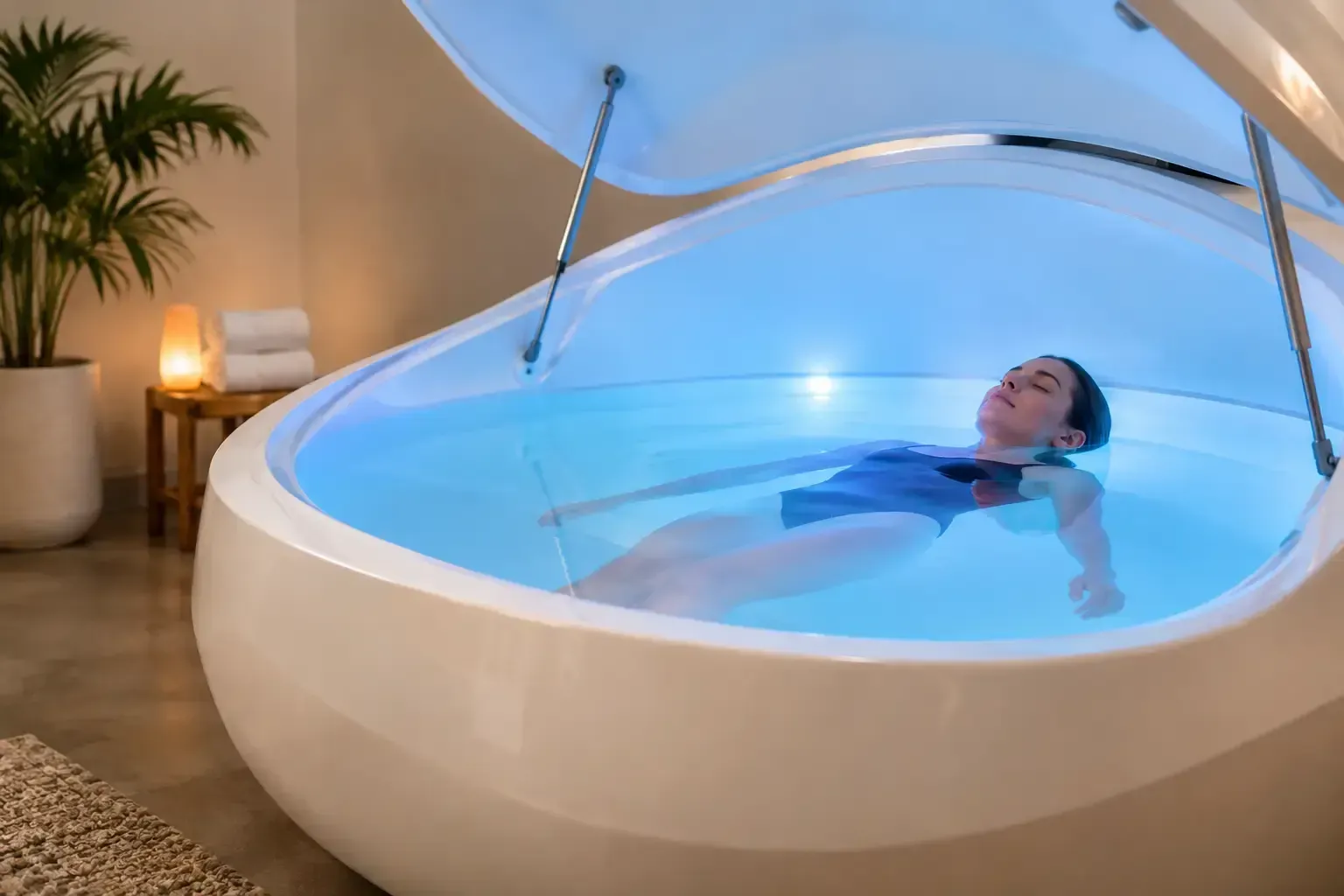
Learn how to use float therapy for a calmer reset, better recovery, and restorative quiet, plus what to expect during your session in The Woodlands, TX.

Explore top ways to improve circulation with movement, hydration, massage, and restorative recovery support in The Woodlands, TX, for daily wellness and comfort.

Explore membership benefits for wellness treatments, from consistent recovery care to meaningful savings, with personalized support in The Woodlands, TX.

A guide to therapeutic massage care for easing tension, supporting recovery, and choosing a personalized session in The Woodlands, TX that fits your goals.

Explore detox therapies for inflammation that may support hydration, circulation, relaxation, and recovery through personalized care in The Woodlands, TX.
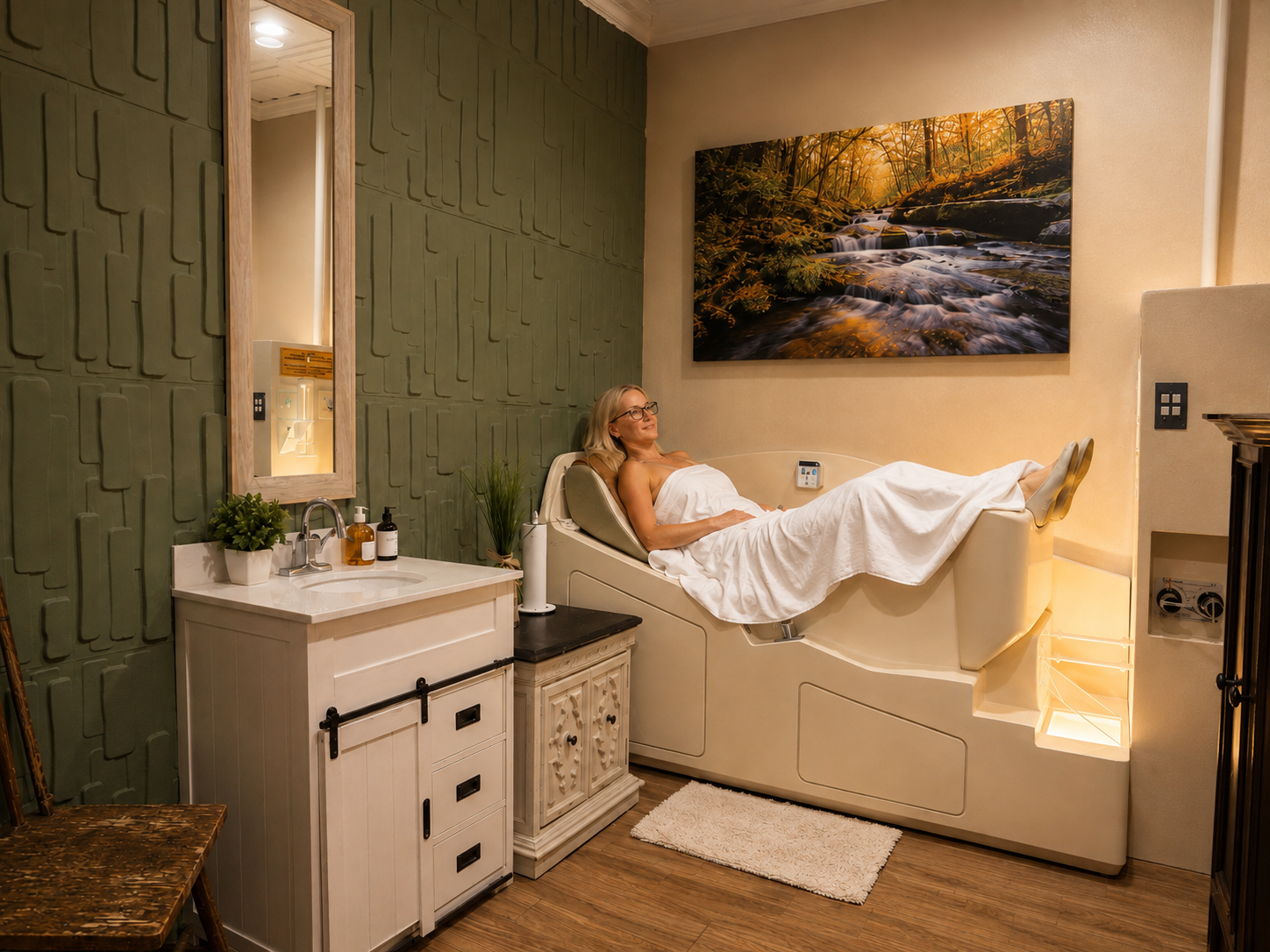
Colonic vs enema: how they differ in reach, comfort, setting and safety, and how to choose. Colon hydrotherapy in The Woodlands, TX.

Compare medical massage versus relaxation massage to choose supportive care for pain, recovery, muscle tension, or restorative calm in The Woodlands, TX.

Compare IV vitamins versus oral supplements for hydration, recovery and wellness, and learn which may fit your goals with physician-supervised care in The Woodlands, TX.

Are vitamin injections safe? Learn how medical screening, trained administration, appropriate dosing, and aftercare can support a safer wellness session.