
832-745-3320



When Therapeutic Massage for Scar Tissue Helps
August 9, 2026
A scar can be a visible reminder of healing, but the way it feels often matters more. Tightness when you reach overhead, pulling around an incision, numbness, tenderness, or a stubborn area that seems to limit movement can make recovery feel unfinished. Therapeutic massage for scar tissue may help improve comfort and mobility when it is introduced at the right time and tailored to the stage of healing.
This is not a one-size-fits-all spa service. Scar-focused work calls for a thoughtful approach, especially after cosmetic surgery, abdominal procedures, breast surgery, injury, or trauma. At Detoxity MediSpa, recovery support is approached with both nurturing care and respect for your provider's medical guidance.
Why clients in The Woodlands choose Detoxity for scar and post-surgical massage:
- Lymphatic and recovery team led by a certified lymphedema therapist (CLT) and Texas-licensed massage therapist
- Physician-supervised care, with a physician on site
- Physician visits for post-op clients who have questions about healing
- Surgical drain removal, especially for clients who had surgery out of town
- Enhanced manual lymphatic drainage earlier in recovery and therapeutic massage when you are cleared
What Scar Tissue Does During Healing
Scar tissue is your body's repair material. After an incision or injury, your body produces collagen to close and strengthen the affected area. That process is necessary, but newly formed collagen does not always arrange itself as smoothly or flexibly as the surrounding tissue.
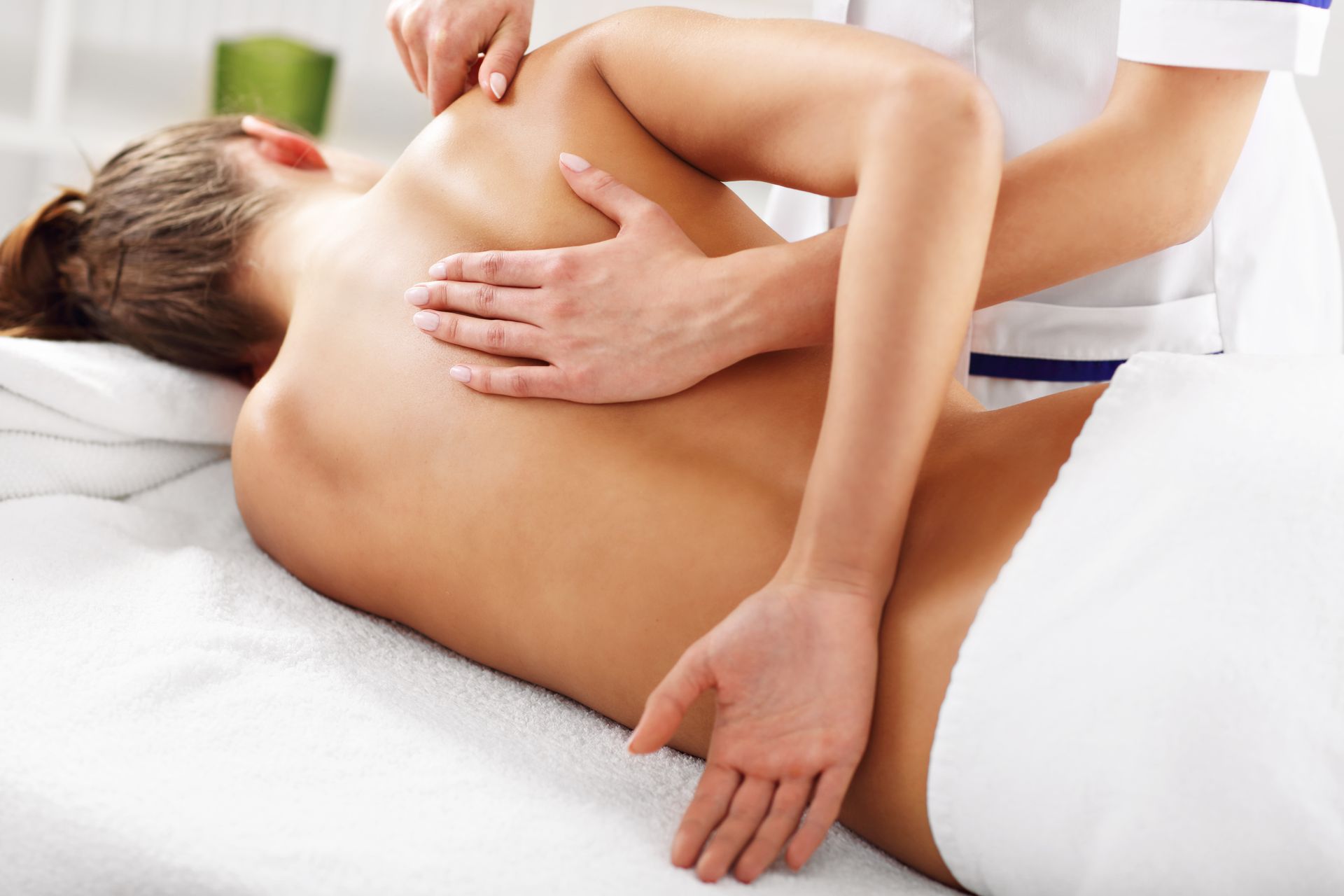
As a result, a healed scar may feel raised, dense, tight, itchy, sensitive, or less mobile. It can also adhere to nearby layers of skin and soft tissue. This may be especially noticeable after procedures that involve larger incisions or significant swelling, such as a tummy tuck, mommy makeover, C-section, breast reduction, or liposuction.
Not every scar needs hands-on treatment, and not every sensation near a scar is caused by scar tissue alone. Swelling, nerve healing, muscle guarding, surgical garments, and changes in posture can all affect how your body feels. That is why a personalized assessment matters more than a generic promise to "break up" scar tissue.
How Therapeutic Massage for Scar Tissue May Help
When your incision is fully closed and your surgeon has cleared massage, gentle, skilled hands-on work can help encourage tissue mobility. The goal is not to force a change in one session or cause pain. It is to work gradually with the skin and underlying tissue so the area can move more comfortably over time.
Therapeutic massage for scar tissue may support a softer feeling around the scar, reduce the sense of pulling with everyday movement, and help you reconnect with an area that has felt guarded or unfamiliar since surgery. Some clients also find that guided touch helps them feel more confident returning to exercise, stretching, and normal routines.
The benefits depend on several factors: the type and age of the scar, your healing pace, your procedure, any complications, and whether swelling or fibrosis is also present. A newer, fully healed scar may respond differently than a scar that is years old. Older scars can still become more comfortable or mobile, but progress may be more gradual.
Massage does not erase a scar, replace surgical follow-up, or treat an infection, wound separation, blood clot, or other medical concern. It is a supportive part of recovery, not a shortcut around proper healing.
Timing Is Everything After Surgery
The most common mistake with scar massage is starting too soon. A scar should never be massaged over an open incision, scab, drain site, active rash, or area that is hot, increasingly red, or draining fluid. Those signs need prompt attention from your surgical team.
Even when the skin looks closed, deeper tissues may still be healing. Your surgeon or treating provider should give you the green light based on your specific procedure and recovery. For some people, that clearance comes within a few weeks. For others, especially after more extensive surgery or a complicated recovery, it may take longer.
Once you are cleared, the first sessions should feel measured and responsive. Mild tenderness can be normal, particularly in sensitive areas, but sharp pain, bruising, increased swelling, or symptoms that linger well after the session are signals to stop and reassess. Recovery work should leave you feeling cared for, not pushed past your body's limits.
When to pause and contact your provider
Skip massage and seek medical guidance if you have fever, worsening pain, spreading redness, unusual warmth, drainage, a new firm painful area, shortness of breath, or sudden swelling. The same caution applies if you are unsure whether a new sensation is normal. Your peace of mind is part of recovery.
What a Scar-Focused Session Can Look Like
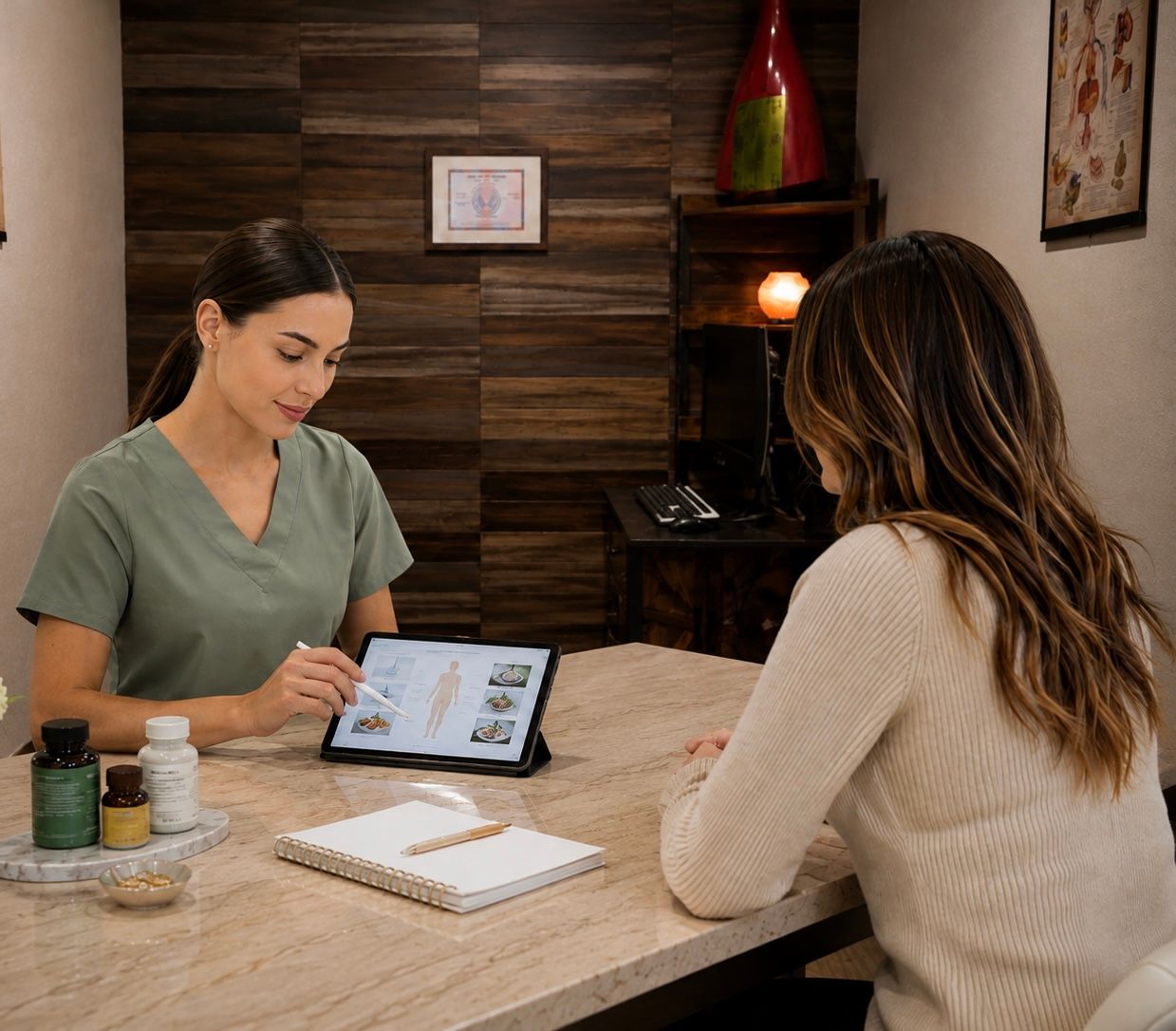
A therapeutic session begins with listening. Your practitioner should ask about your procedure, surgery date, clearance instructions, current symptoms, medications, areas of numbness or tenderness, and recovery goals. Maybe you want to bend more comfortably, feel less tight in clothing, or support a gradual return to movement. Those details shape the treatment.
The work may begin away from the incision itself. Gentle techniques around the surrounding tissue can help address guarding and tension without overwhelming a sensitive area. As appropriate, the practitioner may use light skin rolling, small circular movements, lifting motions, or carefully directed stretching to encourage mobility. Pressure should be adapted as your body responds.
For post-operative clients, scar support is often paired with other recovery-focused care. Manual lymphatic drainage may be used earlier in recovery to support fluid movement and swelling reduction when medically appropriate, while therapeutic massage can become more targeted as the body heals. These services have different purposes, so the right sequence depends on your provider's recommendations and your individual progress.
At Detoxity Holistic MediSpa, enhanced manual lymphatic drainage and therapeutic massage are delivered by a team led by a certified lymphedema therapist (CLT) and Texas-licensed massage therapists trained in Vodder and Chickly techniques. Care is physician-supervised, and post-op clients can book a visit with our on-site physician if they have questions about where they are in healing.
A session may also include simple education on comfortable movement, hydration, and how to monitor your response between appointments. A good plan has room to change. If an area is more tender one week, treatment should adjust rather than follow a fixed script.
What You Can Do Between Appointments
Consistency often matters more than intensity. If your surgeon approves self-massage, your practitioner can show you a gentle technique that feels safe for your incision and stage of recovery. Use clean hands, keep pressure light at first, and follow the instructions you were given rather than copying a technique meant for someone else's surgery.
Moisturizing the surrounding skin, protecting the scar from sun exposure, wearing approved compression garments as directed, and maintaining gentle movement can all support the recovery process. Silicone products or other scar-care recommendations should come from your surgeon or dermatologist, particularly if you have sensitive skin or a history of raised scars.

Be patient with numbness and sensitivity. Nerves can take time to settle, and the experience may change from week to week. A tingling sensation might be part of normal healing, but new or escalating symptoms deserve a call to your medical provider.
Choosing the Right Support for Your Recovery
The best therapeutic massage for scar tissue is not defined by deep pressure. It is defined by informed care, clear communication, and a practitioner who understands that post-surgical bodies need both skill and patience. Ask whether the provider has experience with your type of surgery, how they coordinate with surgical instructions, and what signs would prompt them to refer you back to your medical team.
For clients in The Woodlands and greater Houston area, a recovery-centered setting can make a meaningful difference. You deserve a space where your questions are welcomed, your comfort is protected, and your treatment plan reflects where you are today - not where someone thinks you should be.
Your scar tells a story of repair. With medical clearance, gentle guidance, and realistic expectations, supportive massage can help that story feel less like restriction and more like a return to feeling at home in your body.
Cleared for scar massage?
Visit Detoxity Holistic MediSpa at 329 Sawdust Rd, The Woodlands, TX 77380. Call or text 832-745-3320 to book therapeutic massage or post-surgical lymphatic drainage. Bring your surgeon's clearance and we'll tailor the session to your stage of healing.

the perfect spa gift!

Ultimate spa STRESS RELIEF

Plan a calmer healing period with top post liposuction recovery essentials, from compression and hydration to personalized, surgeon-approved supportive care.

Wondering if EBOO therapy hurts? Learn what a session really feels like, how to prepare and why physician supervision matters at Detoxity in The Woodlands.

Training hard in the Texas heat? Learn which IV drips help athletes recover, when IV hydration makes sense and how Detoxity personalizes every drip.

Physician supervised wellness treatments pair personalized screening and restorative care to support hydration, recovery, stress relief, and wellness goals

Heavy legs, cold hands or post-op swelling? Simple daily habits to improve circulation naturally, plus how lymphatic drainage at Detoxity can help.

Our guide to HOCATT ozone therapy explains what a session feels like, who should pause, and how to prepare for a calm, informed wellness visit today.

A calm, surgeon-first roadmap for post-op recovery: prep, swelling, lymphatic
drainage, nutrition and warning signs. Recovery care in The Woodlands, TX.

Can parasites affect weight, bloating and energy? Ann Louise Gittleman, PhD, CNS, explains how to cleanse safely, with her cleanse at Detoxity in The Woodlands, TX