
832-745-3320



Can Massage Reduce Edema? When It May Help
August 11, 2026
A swollen ankle after a long flight feels very different from new, one-sided leg swelling that appears without warning. That distinction matters when asking, can massage reduce edema? In some situations, gentle, properly directed massage can support fluid movement and ease the heavy, tight feeling of mild swelling. In others, massage is the wrong choice and could delay care for a condition that needs medical attention.
Edema is not a diagnosis by itself. It is the medical term for fluid collecting in body tissues, often in the feet, ankles, legs, hands, arms, or face. The safest next step depends on why that fluid is there, how quickly it appeared, and whether you have other symptoms.
Can Massage Reduce Edema Safely?
Massage may help certain types of edema, particularly when swelling is related to temporary fluid retention, prolonged sitting or standing, recovery after an approved procedure, or a lymphatic system that needs gentle support. The goal is not to force fluid out of the body. It is to encourage superficial fluid to move toward functioning lymph nodes, where the body can process it naturally.
Manual lymphatic drainage, often called MLD, is different from a deep-tissue massage. It uses light, rhythmic strokes near the surface of the skin. A trained provider works in a specific sequence, usually beginning in areas where lymphatic drainage is available before addressing the swollen area itself. It should feel calming and gentle, not painful or aggressively kneaded.
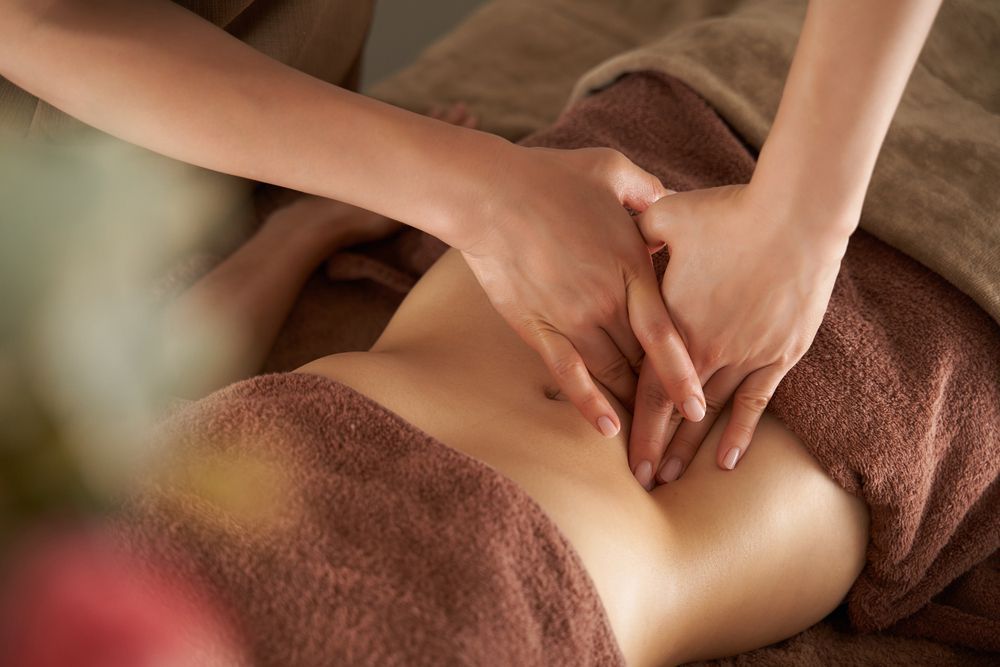
For appropriate clients, this approach may reduce a sensation of fullness, improve comfort, and support mobility while the body heals. Results vary. A single session can feel relieving, but persistent edema usually requires attention to the cause, a home-care plan, and sometimes ongoing medical management.
Why Swelling Happens Before Treatment Matters
Edema can have simple triggers. Hot Texas weather, salty meals, hormonal changes, travel, pregnancy, a demanding workout, and hours at a desk can all contribute to temporary swelling. In those cases, hydration, movement, elevation, and gentle lymphatic support may be reasonable options when symptoms are mild and familiar.
But swelling can also be connected to medication side effects, vein problems, lymphedema, heart conditions, kidney or liver disease, infection, or a blood clot. This is why a thoughtful intake and clear health history matter more than choosing the strongest massage available.
Post-surgical swelling deserves its own level of care. Swelling is a normal part of healing after many cosmetic and medical procedures, but each surgeon has specific instructions about when massage is appropriate, which areas can be treated, and whether compression garments should be used. The right timing can support comfort and recovery. The wrong timing, pressure, or technique can irritate healing tissue.
The difference between lymphatic drainage and deep massage
If your goal is swelling support, more pressure is not better. Deep-tissue work may be useful for muscle tension in the right setting, but it is not generally the first choice for edema or early surgical recovery. Firm pressure can be uncomfortable in swollen tissue and may not support the lymphatic pathways you are trying to encourage
A qualified provider should adjust pressure, positioning, session length, and areas treated based on your symptoms, procedure history, and medical clearance. You should never feel pressured to "push through" pain during a session intended for recovery.

When Massage May Be a Helpful Part of Your Plan
Massage is most useful when it fits into a larger, personalized recovery plan. For someone whose ankles puff up after travel, that may mean a gentle session combined with walking breaks, water intake, and elevating the legs. For a post-op client, it may mean surgeon-approved lymphatic drainage [link: Post Surgical Recovery page] alongside compression and careful follow-up.
It can also be supportive for people living with lymphedema, but that care should be guided by a clinician trained in lymphedema management. Lymphedema often needs a more complete plan that can include compression, exercise, skin care, and education in addition to manual drainage. Massage alone is not a cure, and promises of "flushing toxins" or eliminating chronic swelling overnight are not realistic
At Detoxity Holistic MediSpa, our lymphatic team is led by a certified lymphedema therapist (CLT) and Texas-licensed massage therapist, and sessions use enhanced manual lymphatic drainage. Care is physician-supervised with a physician on site. When the cause of swelling is unclear, our physician can order labs, because we don't guess, we test.
At Detoxity MediSpa, recovery-focused services are approached with comfort and clinical awareness in mind. For clients in The Woodlands and greater Houston area, the best experience begins with a conversation about what is causing the swelling, where you are in your recovery, and whether you have clearance for treatment
Why clients in The Woodlands choose Detoxity for edema and swelling support:
● Certified lymphedema therapist (CLT) leading the lymphatic team
● Enhanced manual lymphatic drainage with light, intentional pressure
● Physician on site, so questions about the cause of swelling get a medical answer
● Post-surgical support, including physician visits and surgical drain removal for clients who had surgery out of town
● Easy to reach from The Woodlands, Spring, Conroe and north Houston. Learn how to schedule lymphatic sessions.
When You Should Skip Massage and Seek Medical Care
Do not book a massage to troubleshoot sudden or unexplained swelling. Call a medical professional promptly if swelling is new, severe, worsening, or limited to one arm or leg. The same is true if the area is red, hot, tender, or painful.
Seek urgent care right away for swelling with shortness of breath, chest pain, coughing blood, fainting, confusion, or a rapid heartbeat. Those symptoms can signal a serious problem that needs immediate evaluation.
Massage is also typically avoided or postponed when there is a suspected blood clot, active infection, fever, uncontrolled heart failure, severe kidney disease, or open wounds in the treatment area. If you have cancer treatment history, vascular concerns, diabetes-related circulation issues, or a recent surgery, ask your physician or surgeon before scheduling lymphatic work. Getting clearance is not an inconvenience. It is part of protecting your recovery.
What to Expect From a Thoughtful Edema-Support Session
A responsible session starts before the table. Your provider should ask when the swelling began, whether it changes during the day, what medications you take, whether you have had surgery, and whether you have been diagnosed with a circulation, heart, kidney, liver, or lymphatic condition.
During a lymphatic-style session, the touch should be light and intentional. You may be positioned comfortably with pillows or have your limbs elevated as appropriate. Many clients find the experience deeply relaxing, especially when swelling has left them feeling uncomfortable in their own body.
Afterward, you may notice that rings, shoes, or clothing feel less tight, or that movement feels easier. Some people need to use the restroom more often, while others simply feel calmer and less heavy. Neither response is a measure of success on its own. The meaningful question is whether your swelling, comfort, and function improve safely over time.

Simple habits that can support fluid movement
If your clinician has ruled out concerning causes, daily habits can complement professional care. Gentle walks and ankle pumps help activate the calf muscles, which assist circulation in the lower legs. Elevating the feet after long periods of sitting, staying adequately hydrated, and following any compression guidance from your medical team can also help.
Try not to self-treat persistent swelling with extreme detoxes, harsh body work, or excessive heat. A sauna or warm environment may feel soothing for some people, but heat can worsen swelling for others. Your plan should match your health history rather than a one-size-fits-all wellness trend.
A Calmer Way to Approach Swelling
Edema can be frustrating, especially when you are healing from surgery, preparing for an event, or simply trying to feel comfortable in your body again. Gentle massage can be a valuable supportive tool when the cause is understood and the technique is appropriate. It is not a substitute for diagnosis, medical clearance, or the recovery instructions designed for you.
If swelling has changed, become painful, or does not improve, start with your healthcare provider. Once you know it is safe to proceed, a skilled, nurturing approach to lymphatic support can give your body the room to rest, move, and heal with greater comfort.
Wondering if lymphatic drainage can help your swelling?
Visit Detoxity Holistic MediSpa at 329 Sawdust Rd, The Woodlands, TX 77380. Call or text 832-745-3320 to book a manual lymphatic drainage session. Post-op? Bring your surgeon's clearance and we'll plan around your recovery.

the perfect spa gift!

Ultimate spa STRESS RELIEF

Plan a calmer healing period with top post liposuction recovery essentials, from compression and hydration to personalized, surgeon-approved supportive care.

Wondering if EBOO therapy hurts? Learn what a session really feels like, how to prepare and why physician supervision matters at Detoxity in The Woodlands.

Training hard in the Texas heat? Learn which IV drips help athletes recover, when IV hydration makes sense and how Detoxity personalizes every drip.

Physician supervised wellness treatments pair personalized screening and restorative care to support hydration, recovery, stress relief, and wellness goals

Heavy legs, cold hands or post-op swelling? Simple daily habits to improve circulation naturally, plus how lymphatic drainage at Detoxity can help.
Recovering from lipo, tummy tuck, or a BBL? Learn how often to book lymphatic drainage massage, when to start, and how to reserve your recovery sessions at Detoxity

Our guide to HOCATT ozone therapy explains what a session feels like, who should pause, and how to prepare for a calm, informed wellness visit today.

A calm, surgeon-first roadmap for post-op recovery: prep, swelling, lymphatic
drainage, nutrition and warning signs. Recovery care in The Woodlands, TX.