
832-745-3320



How to Support Tissue Recovery After Surgery
August 13, 2026
A new incision, lingering swelling, bruising, or a body that simply feels more tender than expected can make recovery feel uncertain. Knowing how to support tissue recovery starts with respecting what your body is doing behind the scenes: rebuilding damaged tissue, managing inflammation, and gradually restoring circulation and movement. Whether you are recovering from cosmetic surgery, an injury, or a demanding season that has left you feeling depleted, the most helpful approach is steady, personalized, and never rushed.
How to Support Tissue Recovery Without Rushing the Process
Tissue recovery is not just about waiting for discomfort to pass. Healing requires energy, oxygen, nutrients, circulation, and protection from unnecessary stress. The body moves through overlapping phases of inflammation, repair, and remodeling. Swelling and tenderness can be part of that process, especially after surgery, but worsening pain, redness, heat, fever, drainage, or sudden one-sided swelling should always be reported to your surgeon or medical provider promptly.
Your recovery timeline depends on the procedure, the area treated, your health history, medications, nutrition, sleep, and how closely you follow post-operative instructions. Someone recovering from a breast reduction may have different restrictions than someone healing after a mommy makeover or liposuction. A personalized plan is more valuable than comparing your progress with someone else's before-and-after timeline.
Protect the Surgical Site First
Your surgeon's instructions are the foundation of recovery. Take prescribed medications only as directed, wear compression garments if they were recommended, attend follow-up visits, and follow guidance about showering, wound care, lifting, driving, and exercise. A treatment that is safe later in recovery may be inappropriate during the first days after surgery.
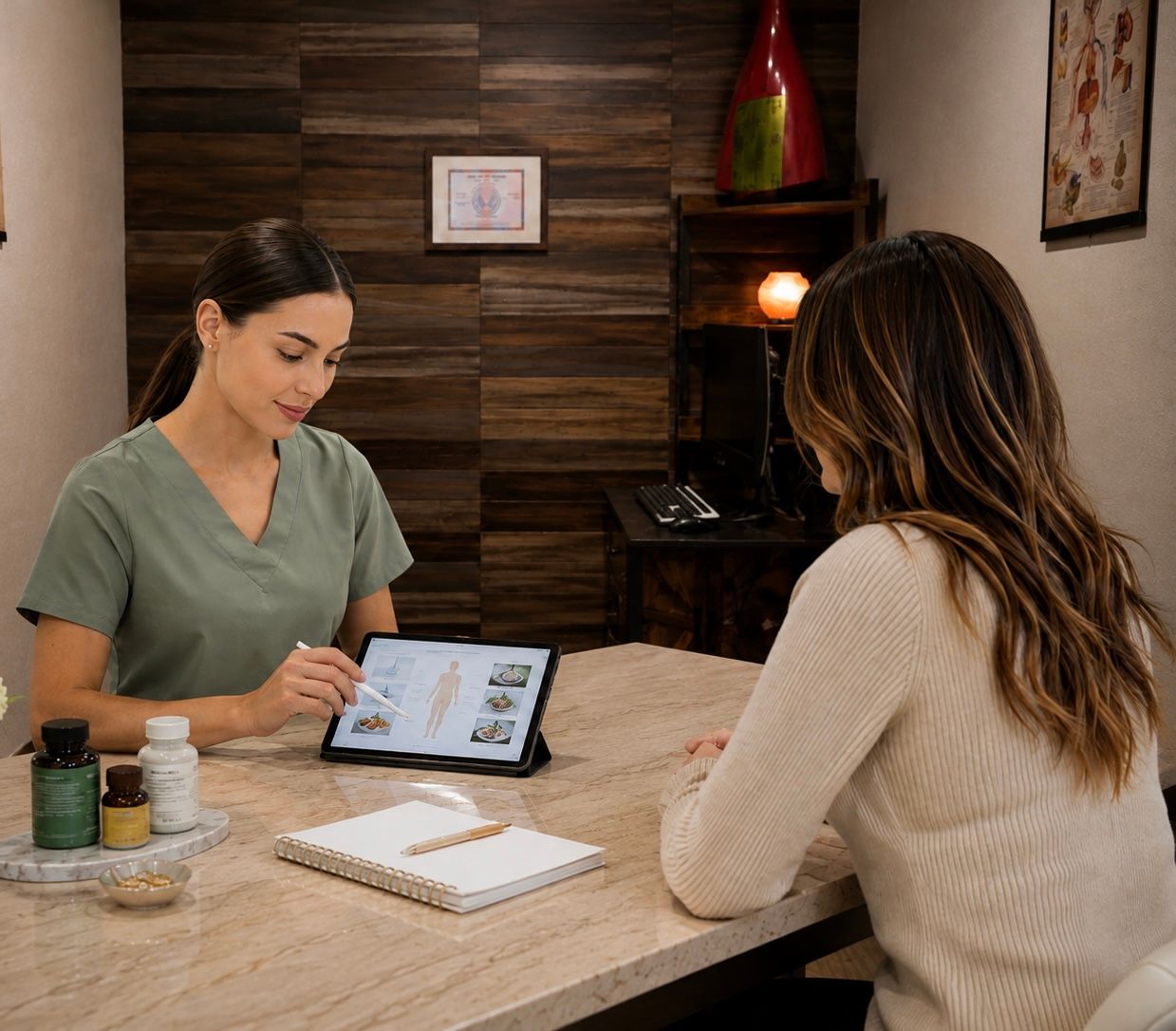
Avoid putting pressure, friction, or heat on a healing incision unless your medical team has cleared it. Do not massage over fresh incisions, open wounds, drains, or areas with suspected infection. If you are considering a spa-based recovery service, choose a provider who asks about your procedure, date of surgery, clearance from your surgeon, and current symptoms before beginning.
At Detoxity Holistic MediSpa, every post-op client is asked about their procedure, surgery date and surgeon's clearance before a session. Our services are physician-supervised, with a physician on site, and post-op clients can book a physician visit. We also offer surgical drain removal, which is especially helpful for clients who had surgery out of town.
Give Healing Tissue the Building Blocks It Needs
The body cannot repair well on very little food, even when appetite is lower after surgery. Protein is especially useful because it supplies amino acids used to rebuild and maintain tissue. Include protein consistently through meals and snacks, choosing options that work for your dietary needs, such as eggs, fish, poultry, Greek yogurt, beans, tofu, or protein-rich soups and smoothies.
Colorful produce provides vitamins, minerals, and antioxidants that support overall health during recovery. Vitamin C-rich foods such as citrus, berries, bell peppers, and broccoli are commonly included in healing-focused meals because vitamin C contributes to collagen formation. Zinc, iron, and adequate calories also matter, particularly if you have had significant surgery or blood loss. Before starting high-dose supplements, check with your physician, especially if you take blood thinners or have chronic health conditions.
Hydration supports normal circulation, digestion, and energy. Plain water is a reliable choice, while electrolyte support may be helpful for some people who have struggled with poor intake, nausea, or dehydration. The right amount varies by person, so consider your provider's advice if you have heart, kidney, or fluid restrictions.
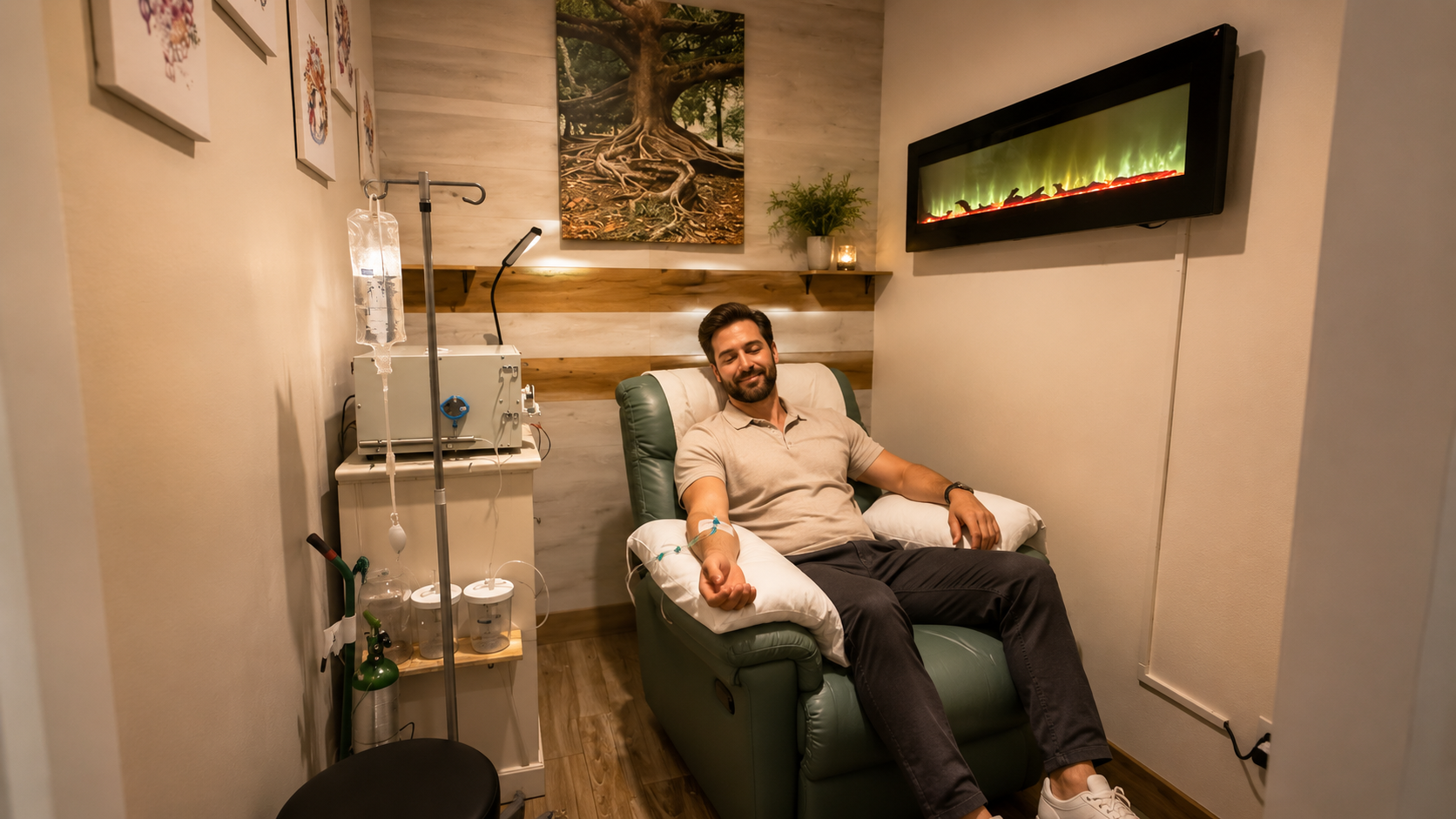
Houston-area heat makes hydration worth extra attention during recovery. Clients from The Woodlands, Spring and Conroe can ask whether IV hydration fits their stage of healing once their surgeon has cleared it.
Support Circulation With Gentle, Approved Movement
Rest is healing, but complete stillness for too long can leave the body stiff and sluggish. When your surgeon allows it, short, easy walks can support circulation, breathing, digestion, and mood. The goal is not to get a workout. It is to help your body move safely without pulling, straining, or raising your heart rate beyond what your recovery plan permits.
Start small. A few slow walks around your home may be enough in the early days. Increase duration only when you are tolerating activity well and your care team has cleared you to do more. Intense exercise, heavy lifting, deep stretching, and core work can disrupt recovery when introduced too soon, even if you are eager to return to your routine.
Positioning also matters. Follow your surgeon's recommendations for sleeping and sitting, particularly after body contouring, breast procedures, or facial surgery. Elevation may help with comfort in some cases, but it should be tailored to your procedure and not treated as a universal rule.
Consider Guided Lymphatic Support at the Right Time
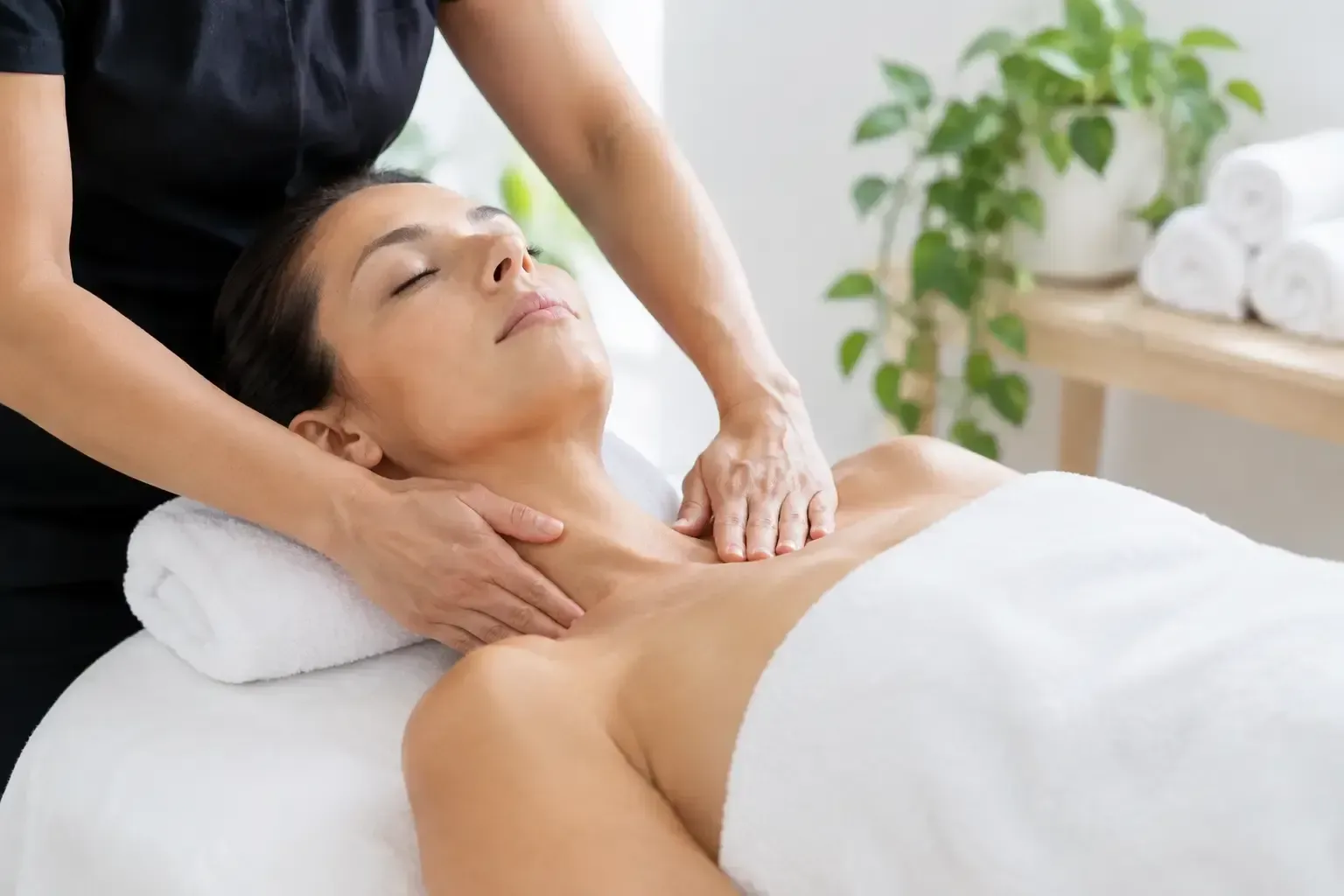
After surgery, temporary swelling is common. For appropriately cleared clients, post-surgical manual lymphatic drainage can be a gentle, specialized service designed to support the body's natural fluid movement and promote relaxation during recovery. It is not deep-tissue massage, and it should not be painful.
A skilled recovery provider uses light, purposeful techniques and adapts the session around incisions, garments, sensitivity, drains, and your surgeon's protocol. The timing matters. Some clients are cleared early, while others need to wait. Manual lymphatic drainage is not a substitute for surgical follow-up, treatment for a complication, or medical care for symptoms such as severe swelling, shortness of breath, chest pain, or a rapidly changing incision.
At Detoxity MediSpa, recovery-focused care is approached with this same balance of comfort and clinical awareness. A calm setting can make it easier to rest, but thoughtful screening and communication with your medical team remain part of responsible post-operative support.
Why clients in The Woodlands choose Detoxity for post-surgical recovery:
- Physician-supervised care, with a physician on site and physician visits for post-op clients
- Lymphatic team led by a certified lymphedema therapist (CLT) and Texas-licensed massage therapist
- Enhanced manual lymphatic drainage adapted around incisions, garments and drains
- Surgical drain removal, especially for clients who had surgery out of town
- We don't guess, we test. Our on-site physician can order labs when it makes sense
Make Sleep a Real Part of Your Recovery Plan
Sleep is often underestimated because it does not feel like an active treatment. Yet quality rest supports immune function, pain tolerance, mood, and the normal repair processes happening throughout the body. After surgery, sleep may be interrupted by discomfort, unfamiliar positioning, medication schedules, or anxiety about healing.
Create an environment that makes rest easier: keep water and approved medications nearby, use pillows for supported positioning, limit late-night scrolling, and ask for help with household tasks when possible. If pain is keeping you awake, do not simply push through it. Contact your provider to discuss whether your pain plan needs adjustment.
Stress management can also support the experience of recovery. Slow breathing, guided relaxation, a quiet float session once medically cleared, or simply protecting time away from work and caregiving demands may help you feel less overwhelmed. These practices do not replace medical treatment, but they can make the healing period feel more manageable.

Avoid What Can Slow Tissue Healing
Certain habits place extra strain on recovering tissue. Nicotine in any form can reduce blood flow and interfere with wound healing, which is why surgeons commonly require patients to stop using cigarettes, vaping products, and other nicotine sources before and after procedures. Alcohol can contribute to dehydration, interfere with medications, and impair judgment around recovery restrictions.
Do not use supplements, detox programs, saunas, or aggressive body treatments simply because they sound restorative. Some can affect hydration, blood pressure, bleeding risk, or sensitivity. Recovery is a time for discernment, not for pushing your body through a dramatic reset. Ask your surgeon before trying anything new, particularly in the first several weeks.
KNOW WHEN TO CALL YOUR MEDICAL TEAM
A little discomfort and swelling can be expected, but your instincts matter. Contact your surgeon or seek urgent care for fever, chills, increasing redness, foul-smelling drainage, an opening incision, uncontrolled pain, shortness of breath, chest pain, calf pain, or swelling that appears suddenly or becomes significantly worse. Early communication is a form of self-care.
Healing is rarely perfectly linear. Some days you may feel energized, and the next you may need more rest. Give your body the consistent basics, accept professional guidance, and let recovery unfold at a pace that protects the results you worked hard to achieve.
Planning your recovery after surgery?
Visit Detoxity Holistic MediSpa at 329 Sawdust Rd, The Woodlands, TX 77380. Call or text 832-745-3320 to book post-surgical lymphatic drainage or a physician visit. Bring your surgeon's clearance and we'll build a plan around your stage of healing.

the perfect spa gift!

Ultimate spa STRESS RELIEF

Plan a calmer healing period with top post liposuction recovery essentials, from compression and hydration to personalized, surgeon-approved supportive care.

Wondering if EBOO therapy hurts? Learn what a session really feels like, how to prepare and why physician supervision matters at Detoxity in The Woodlands.

Training hard in the Texas heat? Learn which IV drips help athletes recover, when IV hydration makes sense and how Detoxity personalizes every drip.

Physician supervised wellness treatments pair personalized screening and restorative care to support hydration, recovery, stress relief, and wellness goals

Heavy legs, cold hands or post-op swelling? Simple daily habits to improve circulation naturally, plus how lymphatic drainage at Detoxity can help.
Recovering from lipo, tummy tuck, or a BBL? Learn how often to book lymphatic drainage massage, when to start, and how to reserve your recovery sessions at Detoxity

Our guide to HOCATT ozone therapy explains what a session feels like, who should pause, and how to prepare for a calm, informed wellness visit today.

A calm, surgeon-first roadmap for post-op recovery: prep, swelling, lymphatic
drainage, nutrition and warning signs. Recovery care in The Woodlands, TX.