
832-745-3320



Recovery Treatment Examples for Whole-Body Healing
August 17, 2026
Recovery rarely looks like one appointment or one perfect protocol. It may mean managing post-surgical swelling, rebuilding your energy after a demanding season, easing tight muscles, or giving your nervous system a quiet place to settle. The most helpful recovery treatment examples start with your current needs, your health history, and a plan that feels supportive enough to maintain.
At Detoxity MediSpa, recovery is approached as a personal process - with physician-led guidance, restorative therapies, and a calm setting where you can focus on feeling better from the inside out.
What Does Recovery Treatment Mean?
Recovery treatment is a broad term for services that support the body after stress, surgery, physical exertion, illness, travel, or prolonged burnout. Some treatments focus on a specific concern, such as post-operative fluid retention or muscle discomfort. Others are designed to support hydration, relaxation, circulation, sleep quality, and the sense of restoration that can be hard to find in a busy week.
The right approach depends on the reason you are recovering. A client after a mommy makeover has very different needs than someone training hard, sitting at a desk all day, or feeling depleted after travel. A qualified provider should help you understand which services may complement your care plan and when a treatment should wait.
Recovery services are not a replacement for surgical follow-up, emergency care, physical therapy, prescribed medication, or a primary care visit. They work best as part of a thoughtful wellness routine, with clear communication between you and the professionals involved in your care.
Recovery Treatment Examples for Post-Surgical Care
Post-surgical recovery is one of the clearest examples of why personalized guidance matters. After cosmetic body procedures, including liposuction, breast procedures, tummy tucks, and mommy makeovers, swelling, tenderness, limited mobility, and fluid buildup can be expected parts of healing. Your surgeon's instructions always come first, including restrictions around massage, heat, compression, movement, and timing.
Manual lymphatic drainage
Manual lymphatic drainage is a gentle, specialized technique designed to encourage lymphatic flow and support the body's natural fluid-management processes. In a post-op setting, it is often chosen to help clients feel more comfortable as swelling resolves. The work should not feel like a deep-tissue massage. Early recovery generally calls for a light, intentional touch and a provider who understands surgical aftercare.
Timing is everything. Some clients are cleared to begin within days of surgery, while others need more time. Your procedure, healing progress, drains, incision status, and surgeon's preferences all matter. A recovery provider should ask for this information rather than offering a one-size-fits-all session.
Post-operative recovery support
A post-op recovery visit may combine gentle lymphatic work with practical comfort measures and attentive monitoring of how you are feeling. The goal is not to rush healing or promise a certain cosmetic result. It is to provide caring, appropriate support during a period when your body needs rest, patience, and consistency.
If you develop fever, worsening pain, shortness of breath, unusual redness, drainage, or sudden asymmetrical swelling, contact your surgeon or seek medical attention promptly. A spa treatment is not the place to work through warning signs.
Restorative Therapies for Everyday Recovery
Not every recovery plan begins after surgery. Many people in The Woodlands and greater Houston are looking for practical ways to reset after long workdays, workouts, travel, poor sleep, or ongoing stress. These recovery treatment examples can be useful when chosen for the right reason.
IV hydration and nutrient therapy
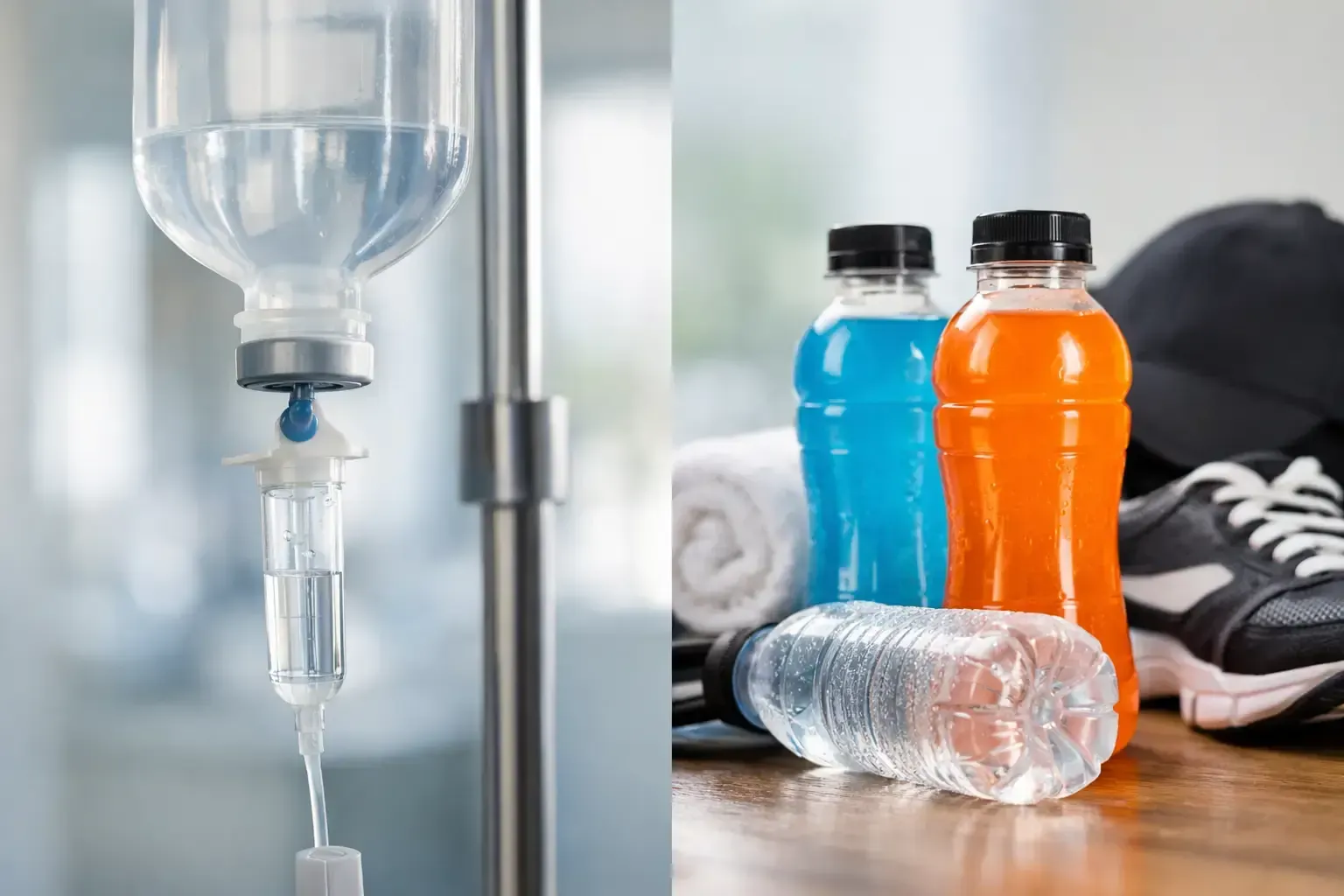
IV therapy delivers fluids and selected vitamins or nutrients directly into the bloodstream under appropriate medical oversight. It is often considered by adults who feel run-down after travel, intense activity, a busy schedule, or periods of inadequate hydration. The exact formula should be based on your goals, medications, health conditions, and provider recommendations
IV therapy is not necessary for everyone, and drinking fluids remains the foundation of everyday hydration. It may also be unsuitable for people with certain kidney, heart, or electrolyte concerns. A proper intake process helps determine whether an IV is appropriate and which ingredients make sense for you.
Therapeutic and medical massage
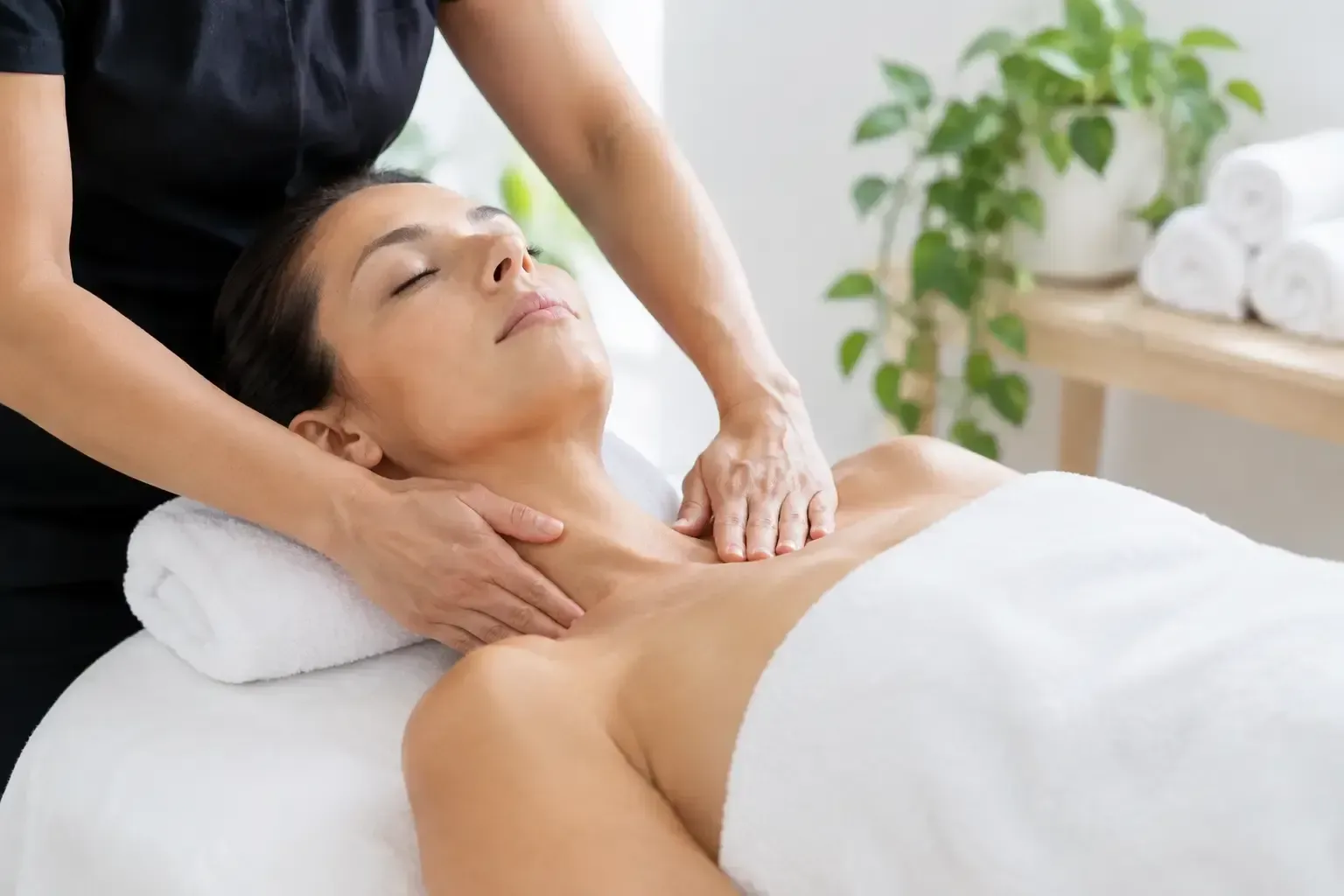
Massage can be a powerful recovery tool when your body is holding tension in the neck, shoulders, back, hips, or legs. Therapeutic massage may help you relax, improve your sense of mobility, and recover from the physical strain of daily life. Pressure should be tailored to the moment. Deep work may feel satisfying after training, but it may not be appropriate when you are newly post-op, bruised, inflamed, or dealing with an active injury.
The best session is not always the most intense one. Sometimes recovery means choosing slower, gentler work that leaves you feeling calm and cared for rather than sore for days.
Float therapy
Float therapy gives the body a break from noise, screens, gravity, and constant stimulation. In a buoyant, quiet environment, many clients find it easier to relax and mentally reset. It can be especially appealing when stress, poor sleep, or sensory overload are making it difficult to feel restored.
Float therapy is a more inward-focused recovery option. It will not treat an infection, repair an injury, or replace professional mental health care. But for someone who needs genuine downtime, the stillness can be a meaningful part of a broader self-care plan.
HOCATT ozone sauna sessions
Heat-based wellness sessions can feel soothing for clients who want to unwind and sweat in a controlled environment. A HOCATT ozone sauna session is often selected as part of a personal wellness routine focused on relaxation and feeling refreshed. Responses to heat vary, so hydration, comfort level, and health history should guide the experience.
Avoid heat-based sessions when you are ill, dehydrated, pregnant without medical clearance, or have been advised to avoid heat because of a medical condition. If you feel dizzy, nauseated, or unwell, the session should stop.
Digestive and Circulation-Focused Options
Some clients seek support because they feel bloated, sluggish, puffy, or generally out of rhythm. These concerns deserve a thoughtful conversation, especially if symptoms are new, severe, or persistent.
Colon hydrotherapy is used by some adults as part of a personal digestive wellness routine. It is not a cure for digestive disease, and it is not appropriate for everyone. Conditions involving the bowel, recent surgery, pregnancy, active hemorrhoids, dehydration, or unexplained abdominal pain may require medical guidance or make treatment unsuitable. A trained practitioner, clean protocols, and honest screening are essential.
Body sculpting and similar aesthetic services may support confidence and targeted body goals, but they should not be presented as a substitute for medical weight management, nutrition, movement, or post-operative clearance. The most satisfying results come when expectations are realistic and the treatment matches the concern.
How to Choose the Right Recovery Plan
Start by naming the outcome you want. Are you seeking less post-op swelling, improved hydration, relief from muscle tension, better relaxation, or a consistent wellness routine? A clear goal makes it easier to choose a service and track whether it is helping.
Next, share the details that affect safety: recent procedures, prescriptions, chronic conditions, allergies, implants, pregnancy status, and any symptoms that concern you. This is not extra paperwork. It is how your provider can recommend care responsibly
Finally, think in terms of rhythm instead of a quick fix. One session can feel wonderful, but some goals benefit from a series of appointments, especially post-surgical lymphatic care or ongoing stress management. Memberships and treatment packages can make consistency more accessible, but only choose a plan that fits your schedule, budget, and actual needs.
When to Pause and Ask Your Medical Provider
Wellness services should leave you feeling supported, not pressured to push through discomfort. Pause and speak with your physician, surgeon, or licensed medical provider if you have unexplained symptoms, active infection, chest pain, shortness of breath, fever, severe pain, fainting, significant swelling, or a condition that is changing quickly.
The same caution applies after surgery. Even if you have had similar services before, each procedure and recovery period is different. Getting clearance is a simple step that protects your healing.
Your recovery deserves more than a generic menu choice. Choose the support that meets you where you are, ask thoughtful questions, and let your body set the pace. A well-designed recovery visit can become a quiet, steady reminder that caring for yourself is part of the plan.

the perfect spa gift!

Ultimate spa STRESS RELIEF

Physician supervised wellness treatments pair personalized screening and restorative care to support hydration, recovery, stress relief, and wellness goals

Learn how to improve circulation naturally with movement, hydration, recovery, and expert-supported care for healthier, more comfortable days at home.
Recovering from lipo, tummy tuck, or a BBL? Learn how often to book lymphatic drainage massage, when to start, and how to reserve your recovery sessions at Detoxity

Our guide to HOCATT ozone therapy explains what a session feels like, who should pause, and how to prepare for a calm, informed wellness visit today.

Parasites: the hidden disruptor of metabolism & health by: Ann Louise Gittleman, PhD, CNS, New York Times bestselling author of Guess What Came to Dinner?

Medical wellness blends clinical guidance with restorative care to support hydration, recovery, stress relief, and personalized whole-body goals daily.

See a breast reduction healing example, from the first tender days through scar care, swelling shifts, and supportive post-op recovery guidance to trust.
IV drips versus sports drinks: learn when oral hydration is enough, when medical IV fluids may help, and how to recover safely after exertion or illness.