
832-745-3320



How to Prepare for Colon Hydrotherapy Safely
July 26, 2026
A colon hydrotherapy appointment should feel calm, private, and supported - not like something you have to “get through.” Knowing how to prepare for colon hydrotherapy can help you arrive more comfortable, better hydrated, and ready to focus on your wellness experience. The goal is not to force a dramatic cleanse. It is to give your body thoughtful support before and after a professionally guided session.
Colon hydrotherapy uses gently regulated, purified water to irrigate the colon while you rest comfortably. People may seek it as part of a personal wellness routine or when they are feeling bloated, sluggish, or interested in more mindful digestive support. Every body is different, though, and a qualified provider should always help you determine whether the service is appropriate for you.
Start With a Health and Medication Check
Your first preparation step is an honest health conversation. Share your medical history, current symptoms, medications, supplements, allergies, and any recent procedures with your provider before booking or at your consultation. This is especially important if you are pregnant, recently had abdominal or colorectal surgery, have active digestive symptoms, or are receiving care for a medical condition.
Colon hydrotherapy is not right for everyone. Conditions such as inflammatory bowel disease, diverticulitis, significant hemorrhoids, rectal bleeding, certain heart or kidney concerns, severe anemia, or a history of bowel obstruction may require you to avoid treatment or obtain medical clearance first. A new or unexplained change in bowel habits, persistent abdominal pain, fever, vomiting, or blood in the stool should be evaluated by a medical professional rather than treated as a wellness concern.
Bring up medications even if they do not seem related to digestion. Diuretics, blood thinners, diabetes medications, laxatives, and medications that affect electrolyte balance can all matter. Do not stop, skip, or change prescribed medication on your own. Your care team can advise you on the safest next step and, when needed, ask you to consult the clinician who manages your care.
What to Eat Before Colon Hydrotherapy
You do not need to fast, and colon hydrotherapy is not the same as preparing for a colonoscopy. Unless your provider gives you different instructions, most people feel best having a light, easy-to-digest meal several hours before their appointment.
Think simple and nourishing: a smoothie you tolerate well, eggs and toast, oatmeal, rice with lean protein, soup, cooked vegetables, or a banana with yogurt may be comfortable options. The right choice depends on your usual digestion. If dairy, raw vegetables, or high-fiber foods typically make you feel gassy, this is not the day to experiment with them.
Try to avoid a very heavy meal immediately before your session. Greasy foods, large portions, excess sugar, alcohol, and highly processed snacks can leave you feeling overly full or uncomfortable. Spicy foods and carbonated drinks may also increase bloating for some people.
For the day or two before your session, choose foods that help you feel steady rather than restrictive. There is no need for an extreme “detox diet,” aggressive laxative, or fasting protocol unless a licensed medical professional has specifically directed it for another reason. Overdoing preparation can lead to dehydration, lightheadedness, and a less pleasant experience.
Skip the DIY Cleanse
It can be tempting to pair a colonic with detox teas, stimulant laxatives, enemas, or a juice-only cleanse. In most cases, that is unnecessary and may make you feel depleted. Combining multiple bowel-clearing practices can increase the risk of cramping, diarrhea, dehydration, and electrolyte imbalance.
If you already use a fiber supplement or magnesium product regularly, mention it during your intake. Your provider can help you decide whether your normal routine is appropriate leading up to the appointment.
Hydrate Gently, Not Excessively
Hydration is one of the simplest ways to prepare well. Drink water consistently during the day before and on the morning of your appointment, unless you have fluid restrictions from your physician. A reusable water bottle can make this easy, especially during a busy workday in The Woodlands or while running errands around Houston.
There is no prize for drinking an excessive amount of water at once. Sip steadily and pay attention to how you feel. If you tend to become lightheaded, have been sweating heavily, or have had diarrhea, ask your provider whether an electrolyte beverage makes sense for you. Those with kidney, heart, or blood pressure conditions should follow their clinician’s specific hydration guidance.
Coffee is a personal decision. If caffeine reliably stimulates your bowel movements and makes you feel anxious or jittery, consider reducing it before your session. If skipping your usual morning coffee gives you a headache, a small amount may be more comfortable. The best preparation is the one that keeps your body regulated and familiar.
Plan for Comfort and Privacy
Wear loose, comfortable clothing that is easy to change in and out of. A relaxed outfit can make a real difference after your treatment, when you may want to head home, return to work, or enjoy a quiet walk without feeling restricted. Avoid scheduling an intense workout, a long drive without breaks, or a packed social event immediately afterward if you can help it.
Arrive a few minutes early so you do not feel rushed. Use the restroom beforehand, silence your phone, and give yourself permission to ask questions. A professional appointment should include clear explanations of the process, privacy measures, what sensations are normal, and when to speak up.
During the session, you may experience fullness, movement, mild cramping, or a natural urge to release. These sensations should be communicated right away, not pushed through. Your provider can adjust the flow, temperature, positioning, or pacing to support your comfort. You remain in control throughout the appointment.
Know What to Expect Afterward
Many people prefer to keep the rest of the day gentle. You may feel lighter, relaxed, tired, or ready to eat a nourishing meal. Others may have another bowel movement later in the day. Temporary gas or mild abdominal cramping can occur, but severe pain is not something to ignore.
Choose a simple meal after your session and continue drinking water. Warm soup, cooked vegetables, rice, lean protein, fruit, or other foods that sit well with your system are often comfortable choices. Give your digestive tract time to settle before reaching for a large restaurant meal, alcohol, or foods you already know can trigger bloating.
Call your provider or seek medical care promptly for severe or worsening abdominal pain, persistent vomiting, fever, fainting, rectal bleeding, or symptoms that concern you. Though serious complications are uncommon with appropriate screening and professional practice, no wellness service is completely risk-free. Clean equipment, trained staff, thorough intake, and clear aftercare matter.
Choose a Professional, Client-Centered Setting
Where you receive colon hydrotherapy matters as much as how you prepare. Look for a facility that takes a complete health history, uses appropriate sanitation protocols, explains the procedure without pressure, and refers out when a symptom needs medical evaluation. You should never feel embarrassed for asking about training, water filtration, disposable supplies, contraindications, or what happens if you become uncomfortable.
At a physician-led wellness center such as Detoxity MediSpa, preparation is part of the care experience. Your goals, comfort level, health considerations, and questions deserve more than a generic checklist. Whether you are building a restorative self-care routine or taking a pause to feel more connected to your body, personalized guidance helps keep the experience grounded and appropriate.
The most helpful way to prepare is simple: eat gently, hydrate consistently, be transparent about your health, and leave room in your day to rest. Come in curious, not pressured to achieve a particular result. Feeling cared for, informed, and comfortable in your own body is a meaningful place to begin.

Physician supervised wellness treatments pair personalized screening and restorative care to support hydration, recovery, stress relief, and wellness goals
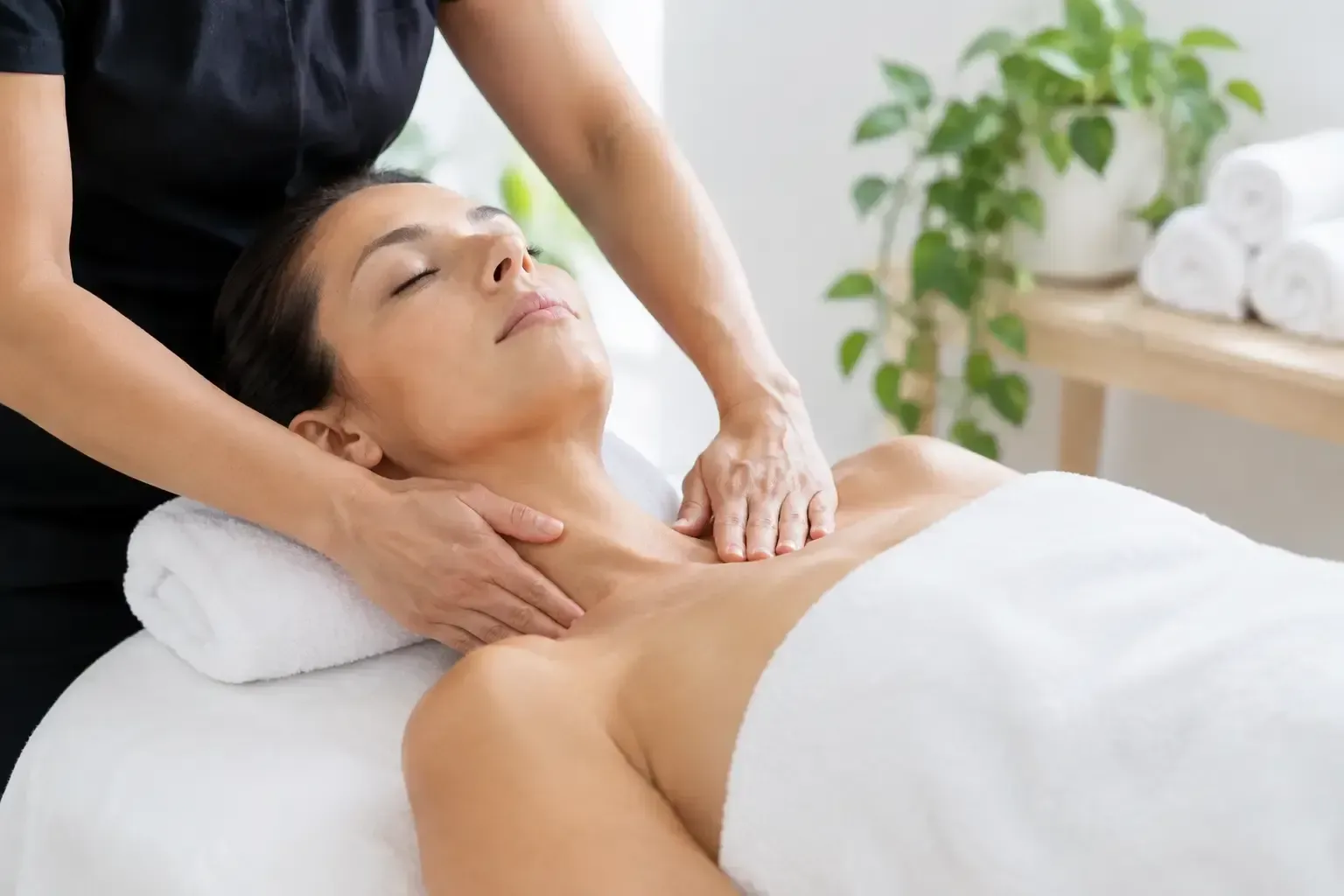
Recovering from lipo, tummy tuck, or a BBL? Learn how often to book lymphatic drainage massage, when to start, and how to reserve your recovery sessions at Detoxity
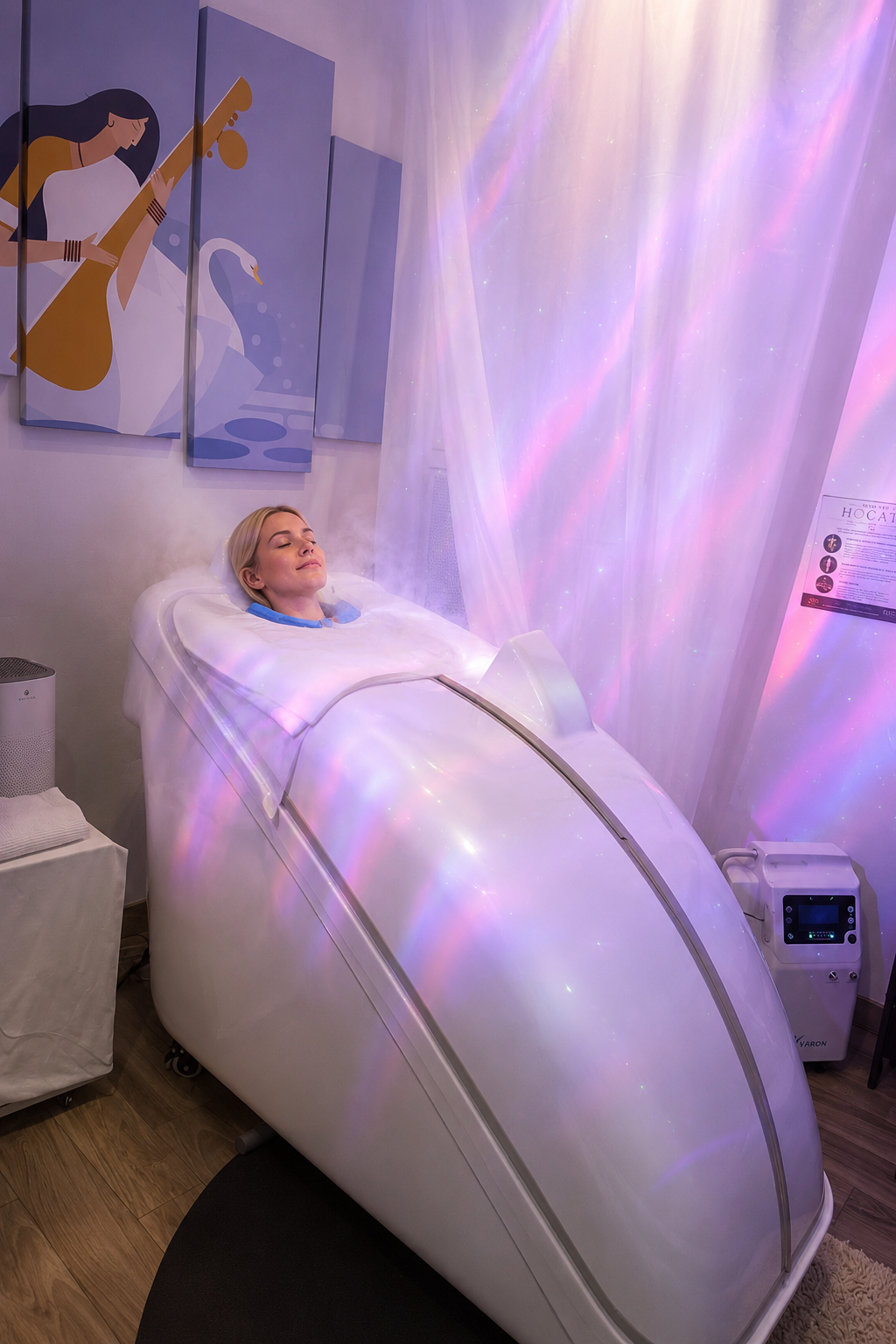
Discover HOCATT, the advanced ozone sauna at Detoxity MediSpa in The Woodlands. Learn what a session feels like, its benefits, and how to book your first reset.

Parasites: the hidden disruptor of metabolism & health by: Ann Louise Gittleman, PhD, CNS, New York Times bestselling author of Guess What Came to Dinner?

Because Detoxing is a lifestyle

NAD+ supports cellular energy, metabolic efficiency, and recovery as part of a longevity-focused, stage-based wellness approach.

Detoxity's Longevity Reset supports cellular energy, detox pathways, and circulation through a structured, stage-based longevity wellness approach.

Seasonal health awareness supports longevity by aligning prevention, heart health, circulation, and gut wellness with the body's natural rhythms.

Because detoxing is a lifestyle!

Read Detoxity’s November newsletter for medical spa updates, wellness education, featured services, seasonal offers and news from The Woodlands.