
832-745-3320



How to Support Your Lymphatic System Every Day
August 5, 2026
Swelling that lingers, a heavy feeling in your legs, post-workout soreness, or the puffiness that can follow surgery can make your body feel like it is moving more slowly than you are. Learning how to support lymphatic system function gives you practical ways to care for circulation, recovery, and everyday comfort - without falling for the idea that one juice cleanse or spa treatment can fix everything overnight.
Your lymphatic system is part of your body's natural fluid-management and immune-support network. It helps move lymph fluid through a web of vessels and lymph nodes, returning excess fluid to circulation and filtering out cellular waste and foreign material along the way. Unlike your heart, it does not have a central pump. It relies heavily on movement, muscle contractions, breathing, and healthy circulation to keep fluid moving.
That is why the most effective support usually comes from consistent, gentle habits. For post-surgical clients, people managing chronic swelling, or anyone with a medical condition affecting the lymphatic system, personalized guidance matters even more
How to Support Lymphatic System Health at Home
Move often, even when a full workout is not realistic
Walking is one of the simplest ways to encourage lymph flow. The calf muscles are especially helpful because their contractions assist the return of fluid from the lower legs. A 10-minute walk after meals, a few laps around the office, or gentle pacing between errands can add up over the course of the day.
Strength training, low-impact cycling, swimming, and mobility work can also be supportive when they fit your health status. The right choice depends on your energy level, recovery phase, and any restrictions from your physician. After surgery, for example, pushing too hard too soon can increase discomfort and swelling. Follow your surgeon's activity timeline rather than trying to "sweat it out."
If you sit for long periods, create small movement breaks. Flex and point your feet, roll your shoulders, stand up every hour, and take a short walk when possible. Consistency is far more valuable than an occasional intense workout.
Here in the Houston area, summer heat and long sits in I-45 traffic are two more reasons to build in those movement breaks, whether you live in The Woodlands, Spring or Conroe.
Use slow, diaphragmatic breathing
Deep belly breathing does more than help you feel calmer. As your diaphragm moves, it changes pressure inside the chest and abdomen, helping encourage the movement of lymph and venous blood back toward the heart
Try this for two to five minutes: sit comfortably, relax your shoulders, inhale slowly through your nose so your abdomen expands, then exhale gently and fully. There is no need to force a huge breath. A relaxed rhythm is the goal. This is an especially useful reset during stressful workdays or when you are resting after a procedure.

Stay hydrated, but skip the extremes
Your body needs adequate fluids for normal circulation and tissue health. Plain water is a reliable foundation, and hydrating foods such as berries, citrus, cucumbers, soups, and leafy greens can contribute to overall fluid intake.
More water is not always better, though. Drinking excessive amounts can be unsafe, particularly for people with kidney, heart, or electrolyte concerns. Let thirst, your activity level, weather, and advice from your care team guide you. If you are feeling depleted after travel, illness, exercise, or a busy week, medically supervised IV hydration may be appropriate for some clients, but it should complement daily hydration habits rather than replace them.
Build meals around whole, anti-inflammatory basics
There is no single food that "drains" the lymphatic system. What you eat can still affect fluid retention, inflammation, digestion, and how energized you feel.
Aim for a pattern that includes colorful produce, fiber-rich carbohydrates, quality protein, and healthy fats. Protein is particularly important during healing because your body uses it for tissue repair. Limiting heavily processed foods and being mindful of high-sodium meals may help some people feel less puffy, especially when swelling tends to flare after restaurant meals or travel.
If you notice frequent bloating, swelling, or digestive discomfort, avoid assuming it is simply a lymph issue. Food sensitivities, medication effects, hormones, vascular concerns, and digestive conditions can all play a role. Persistent symptoms deserve a conversation with a qualified medical provider.
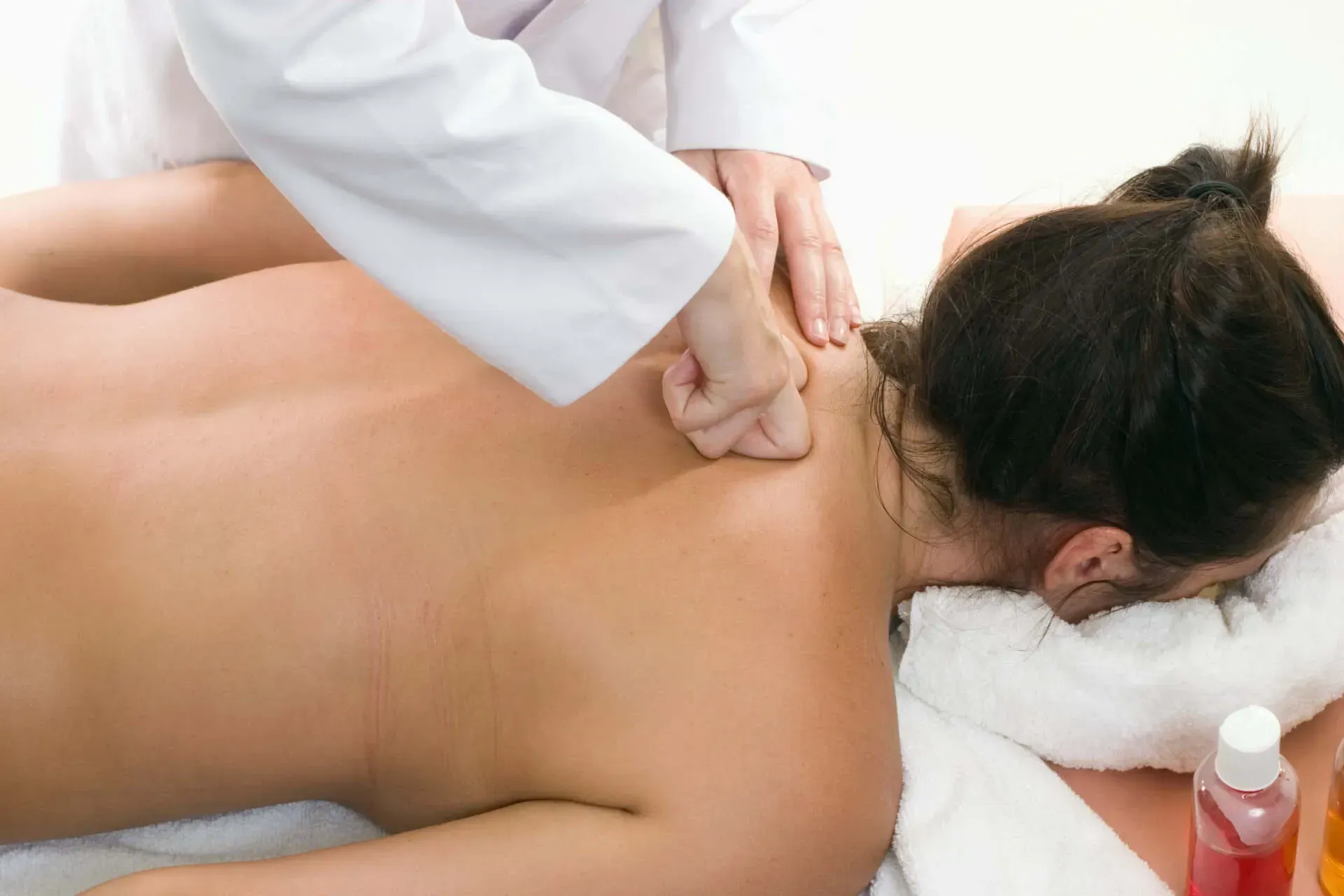
Support skin and circulation with gentle touch
Gentle self-massage can feel soothing, but technique matters. Lymphatic vessels sit close to the surface of the skin, so manual lymphatic work is light and rhythmic, not deep-tissue pressure. Aggressive rubbing, painful scraping, or bruising is not the goal and may be inappropriate when tissue is inflamed or healing.
For everyday self-care, a warm shower followed by a light moisturizer application can be a simple moment to notice changes in your body. Use soft strokes and stop if you feel pain. Dry brushing is popular, but evidence for major lymphatic benefits is limited. If you enjoy it, use a soft brush gently on intact skin, and think of it as an exfoliation ritual rather than a medical treatment.
When Professional Lymphatic Support Makes Sense
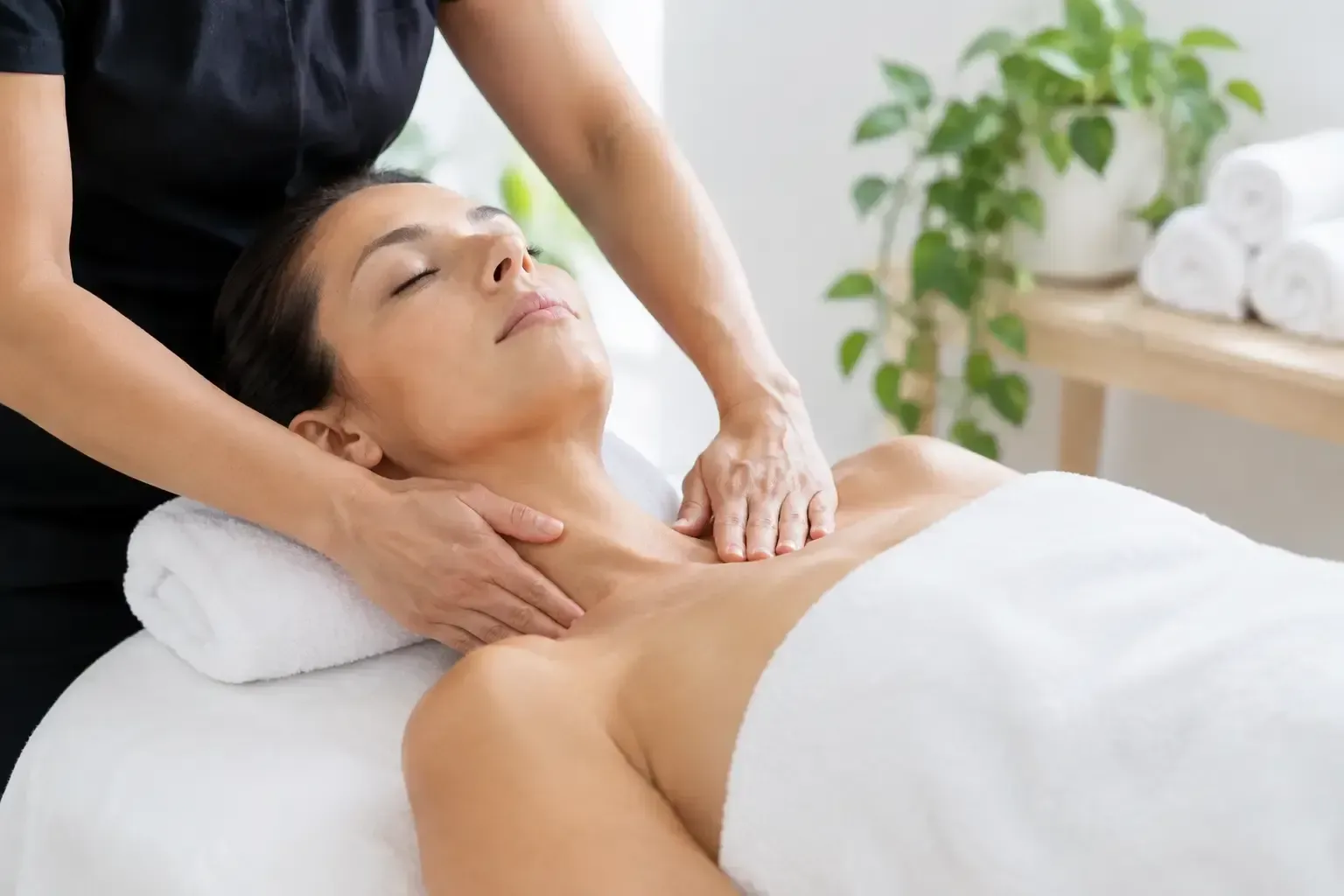
Professional manual lymphatic drainage can be a valuable part of a thoughtful recovery plan. This specialized, gentle technique is designed to encourage fluid movement and can be particularly helpful when swelling, tenderness, or a feeling of congestion is affecting comfort.
For clients recovering from cosmetic surgery, such as liposuction, a tummy tuck, breast surgery, or a mommy makeover, post-operative lymphatic care may help support comfort and swelling management when it is cleared by the surgeon. Timing, pressure, treatment area, garments, and session frequency should be individualized. A provider experienced in post-op care understands that recovery is not one-size-fits-all.
At Detoxity, our lymphatic team is led by a certified lymphedema therapist (CLT) who is also a Texas-licensed massage therapist, and we offer enhanced manual lymphatic drainage for post-op clients. If you had surgery out of town, we can also help with surgical drain removal. Because we are physician-supervised, post-op clients can book a visit with our on-site physician too.
At Detoxity MediSpa, manual lymphatic drainage is offered in a calm, recovery-centered setting for clients who want supportive care alongside their physician’s post-operative plan. It can also be paired thoughtfully with therapeutic massage or other restorative services when appropriate. The best plan starts with where your body is today, not with a generic package.
Why clients in The Woodlands choose Detoxity for lymphatic support:
- Led by a certified lymphedema therapist (CLT) and Texas-licensed massage therapist
- Enhanced manual lymphatic drainage with light, rhythmic technique, never deep-tissue pressure
- Physician-supervised, with a physician on site and physician visits available for post-op clients
- Surgical drain removal, especially for clients who had surgery out of town
- Restorative add-ons like therapeutic massage, float therapy [link: Float Therapy page] and IV hydration when appropriate
Some people may also benefit from compression garments, especially after surgery or when recommended for lower-leg swelling. These should fit correctly and be used according to medical guidance. The wrong compression level or poorly fitted garment can be uncomfortable and may not be suitable for everyone.
Know When Swelling Needs Medical Attention
Wellness care is supportive, but it is not a substitute for medical diagnosis. New, sudden, one-sided, painful, red, or warm swelling in an arm or leg needs prompt medical evaluation. Seek urgent care for swelling accompanied by chest pain, shortness of breath, dizziness, or a rapid heartbeat.
You should also check with a physician before lymphatic massage or compression if you have active infection, fever, unexplained swelling, a history of blood clots, congestive heart failure, significant kidney disease, active cancer treatment, or other complex medical concerns. During pregnancy and after surgery, always follow guidance from the clinician overseeing your care.
Lymphedema is a medical condition that requires specialized assessment and management. If you have been diagnosed or suspect it, ask your doctor about referral to a certified lymphedema therapist. A spa service alone is not a replacement for comprehensive lymphedema treatment.

Make Lymphatic Care Part of Your Rhythm
The most supportive routine is usually the one you can repeat. Walk a little more. Breathe deeply when stress builds. Eat in a way that supports steady energy. Hydrate sensibly. Give your body time to recover instead of demanding instant results.
If you are healing from surgery or simply feel ready to prioritize restorative care, let your symptoms, goals, and medical history guide the next step. Your body is already working hard for you. Supporting it with patience, skilled care, and a few consistent rituals can help you feel more comfortable from the inside out.
Ready for lymphatic support?
Visit Detoxity Holistic MediSpa at 329 Sawdust Rd, The Woodlands, TX 77380. Call or text 832-745-3320 to book a manual lymphatic drainage session with our CLT-led team, including post-op lymphatic care when your surgeon clears you.

the perfect spa gift!

Ultimate spa STRESS RELIEF

Plan a calmer healing period with top post liposuction recovery essentials, from compression and hydration to personalized, surgeon-approved supportive care.

Wondering if EBOO therapy hurts? Learn what a session really feels like, how to prepare and why physician supervision matters at Detoxity in The Woodlands.

Training hard in the Texas heat? Learn which IV drips help athletes recover, when IV hydration makes sense and how Detoxity personalizes every drip.

Physician supervised wellness treatments pair personalized screening and restorative care to support hydration, recovery, stress relief, and wellness goals

Heavy legs, cold hands or post-op swelling? Simple daily habits to improve circulation naturally, plus how lymphatic drainage at Detoxity can help.
Recovering from lipo, tummy tuck, or a BBL? Learn how often to book lymphatic drainage massage, when to start, and how to reserve your recovery sessions at Detoxity

Our guide to HOCATT ozone therapy explains what a session feels like, who should pause, and how to prepare for a calm, informed wellness visit today.

A calm, surgeon-first roadmap for post-op recovery: prep, swelling, lymphatic
drainage, nutrition and warning signs. Recovery care in The Woodlands, TX.