832-745-3320
Best Treatments for Water Retention That Work
...Because Detoxing Is A Way Of Life
July 30, 2026
Swelling Relief
Water retention can make a favorite pair of jeans feel suddenly unforgiving, leave sock marks at the ankles, or add that uncomfortable, puffy feeling before an important event. The best treatments for water retention are not one-size-fits-all. Relief starts with understanding why fluid is collecting in the first place, then choosing supportive habits or professional care that fit your body, health history, and recovery needs.
For many people, temporary swelling is tied to heat, travel, a salty meal, hormonal changes, standing all day, or a demanding workout. For others, especially those healing after surgery, fluid buildup can be more persistent and deserve a more personalized plan. The goal is not to force your body to "flush" itself overnight. It is to support healthy circulation, lymphatic flow, hydration, movement, and recovery with care.
Why Water Retention Happens
Water retention, also called edema, occurs when fluid builds up in the tissues. It commonly shows up in the feet, ankles, hands, abdomen, face, or legs. A little swelling after a long flight or a hot Houston afternoon can be normal. Swelling that is new, severe, one-sided, painful, or ongoing is a different conversation and should be evaluated by a medical professional.
Hormones are a frequent factor. Many women notice temporary puffiness before or during their period, while pregnancy and menopause can also affect fluid balance. Sodium, alcohol, limited movement, dehydration, certain medications, vein issues, and inflammation can all contribute. Post-surgical swelling is also expected after many cosmetic and medical procedures, but the right recovery support depends on the procedure, your surgeon's instructions, and where you are in the healing process.
Best Treatments for Water Retention at Home
Simple, consistent choices often make the biggest difference for mild, temporary water retention. Think of them as daily circulation support rather than a quick fix.
Hydrate More Consistently
It may sound backward, but drinking too little water can encourage the body to hold onto fluid. Sip water consistently throughout the day, especially if you are spending time outdoors, exercising, traveling, or drinking coffee or alcohol. Hydration needs vary, so there is no need to chase an extreme water goal. Pale-yellow urine is often a practical sign that you are reasonably hydrated.
If plain water feels boring, add fresh citrus or berries, or alternate with unsweetened herbal tea. Be cautious with heavily sweetened drinks and "detox" beverages that promise dramatic fluid loss. Rapid water loss is not the same thing as healthy recovery.
Reduce Sodium Without Making Food Joyless
A high-sodium meal can lead to noticeable next-day puffiness, particularly when it comes from restaurant food, processed snacks, deli meats, canned soups, sauces, and takeout. Rather than trying to eliminate salt entirely, focus on the pattern of your week. Cooking more meals at home, tasting food before adding extra salt, and choosing potassium-rich whole foods can help support a more balanced routine.
Potassium-containing foods such as leafy greens, beans, yogurt, bananas, potatoes, avocado, and citrus can be useful for many people. However, anyone with kidney disease or medications that affect potassium should ask their medical provider before making major dietary changes or using supplements.
Move, Stretch and Elevate
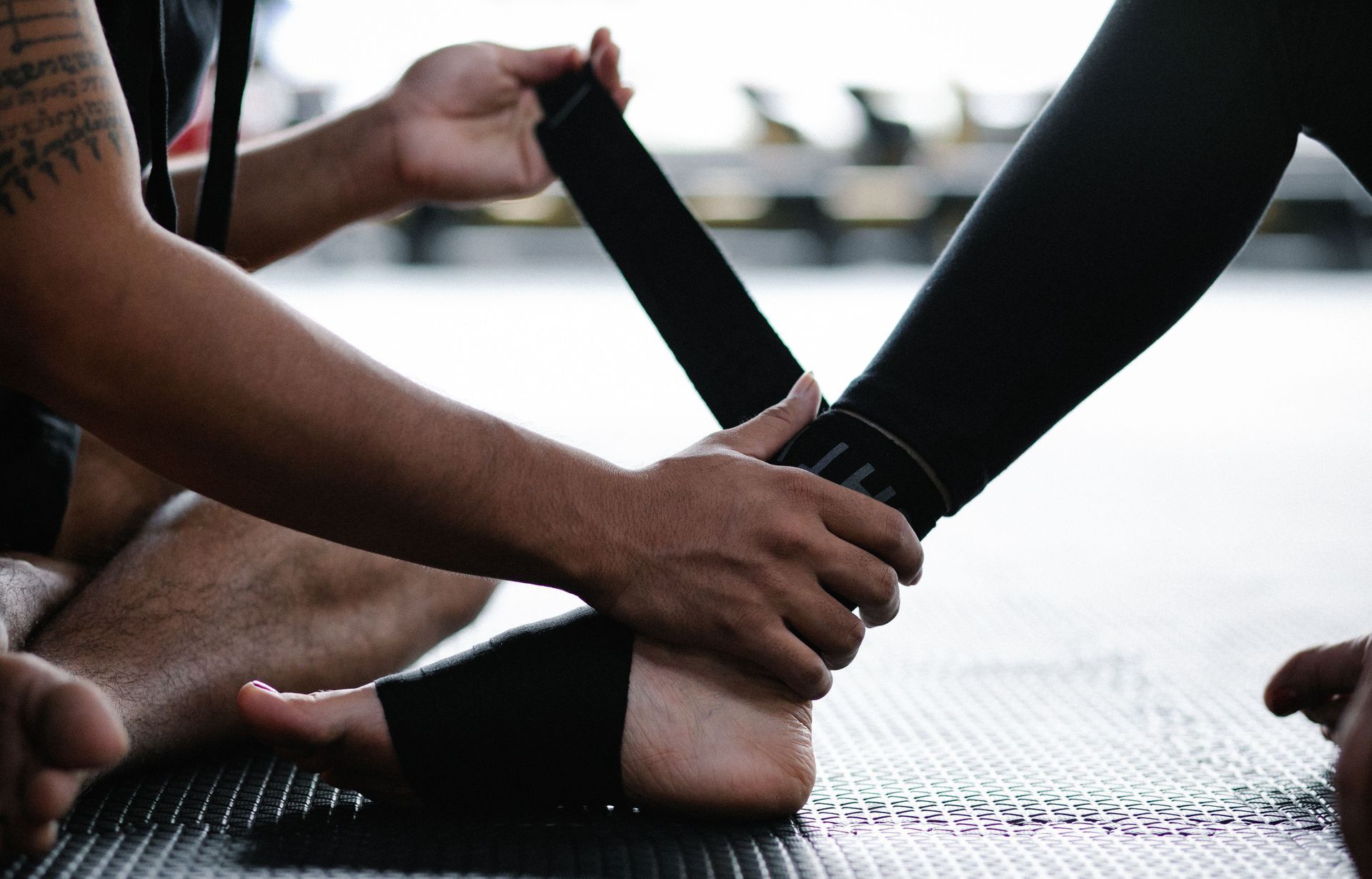
Muscle movement helps move blood and fluid through the lower body. A brief walk after meals, calf raises while brushing your teeth, gentle stretching, or a few laps around the office can be surprisingly effective when sitting or standing has left your legs feeling heavy.
When ankle or foot swelling is mild, elevating your legs above heart level for a short period may offer comfort. Compression garments can also help some people, especially during travel or recovery, but correct fit matters. If you have circulation problems, neuropathy, or are recovering from surgery, get professional guidance before using compression.
Support Sleep and Stress Recovery
Poor sleep, high stress, and inflammation can make the body feel more swollen and uncomfortable. This does not mean stress is the sole cause of water retention. It does mean restorative practices matter. A calming evening routine, gentle massage, a warm shower, and enough sleep can support the body's natural recovery rhythms while helping you feel less tense and bloated.
When Manual Lymphatic Drainage Can Help

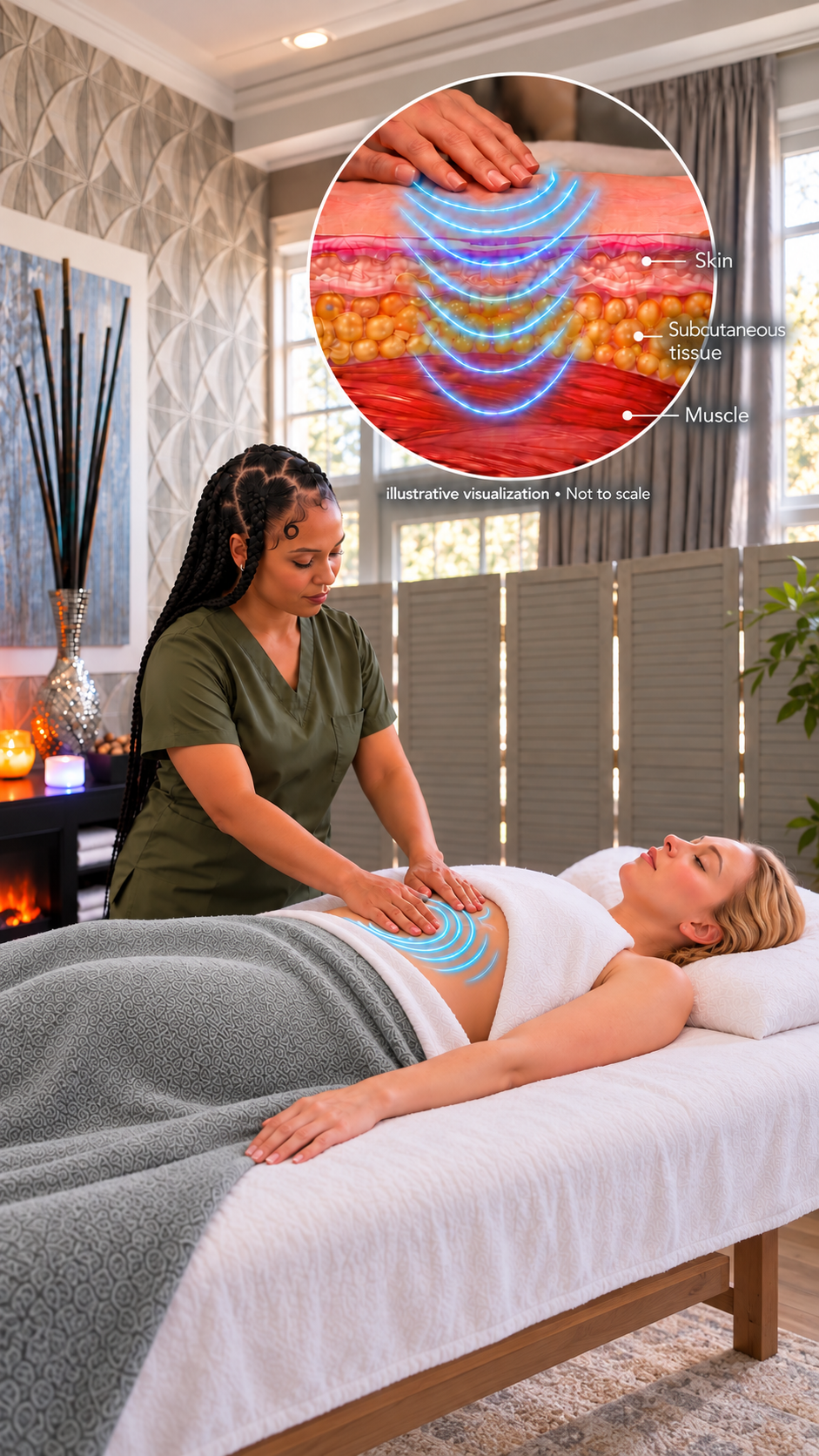
Manual lymphatic drainage, often called MLD, is a gentle, specialized massage technique designed to encourage lymphatic flow. It is very different from deep-tissue massage. The pressure is light and rhythmic, and sessions are tailored to the area being treated and the client's individual goals.
For appropriate candidates, MLD can be a valuable part of post-surgical recovery support, particularly when swelling, tightness, and fluid congestion are affecting comfort. It may also be helpful for people who feel puffy after travel, prolonged sitting, or periods of low activity. Many clients appreciate that it supports circulation and relaxation at the same time.
Timing is essential after surgery. Your surgeon’s clearance and post-op instructions always come first. A knowledgeable provider should ask about your procedure, date of surgery, drains, compression garments, symptoms, and any complications before beginning treatment. More pressure is not better in this setting. Thoughtful, properly timed care is what helps recovery feel supported rather than stressed.
For post-op clients, Detoxity's lymphatic team is led by a certified lymphedema therapist (CLT) who is also a Texas-licensed massage therapist. A physician is on site, so post-op clients can book a physician visit, and Detoxity offers surgical drain removal, which helps when you had surgery out of town. The team can also help with compression garments so your fit matches your surgeon's plan.
At Detoxity MediSpa, medically guided wellness and recovery services are designed to meet clients where they are, whether they are navigating post-op swelling or simply looking to feel lighter, rested, and cared for.
Why clients in The Woodlands choose Detoxity for water retention and swelling support
- Physician-supervised care with a physician on site. "We don't guess, we test": the physician can order labs when swelling needs a closer look.
- Enhanced manual lymphatic drainage, plus Hivamat deep oscillation, from a team led by a certified lymphedema therapist (CLT).
- Post-op support, including surgical drain removal and help with compression garments.
- Restorative options under one roof, such as therapeutic massage, medical massage and float therapy.
- Spa and medical packages, memberships and financing, for clients from The Woodlands, Spring, Conroe and north Houston.
IV therapy is not a cure for edema, and it should never replace medical evaluation for unexplained swelling.
IV Hydration and Wellness Support: Where It Fits

If dehydration is contributing to fatigue, headaches, or that generally run-down feeling, professionally supervised IV hydration may be an option for some clients. IV therapy is not a cure for edema, and it should never replace medical evaluation for unexplained swelling. Still, for people who are dehydrated from travel, heat, illness recovery, or a busy schedule, hydration support can be a meaningful part of feeling restored.
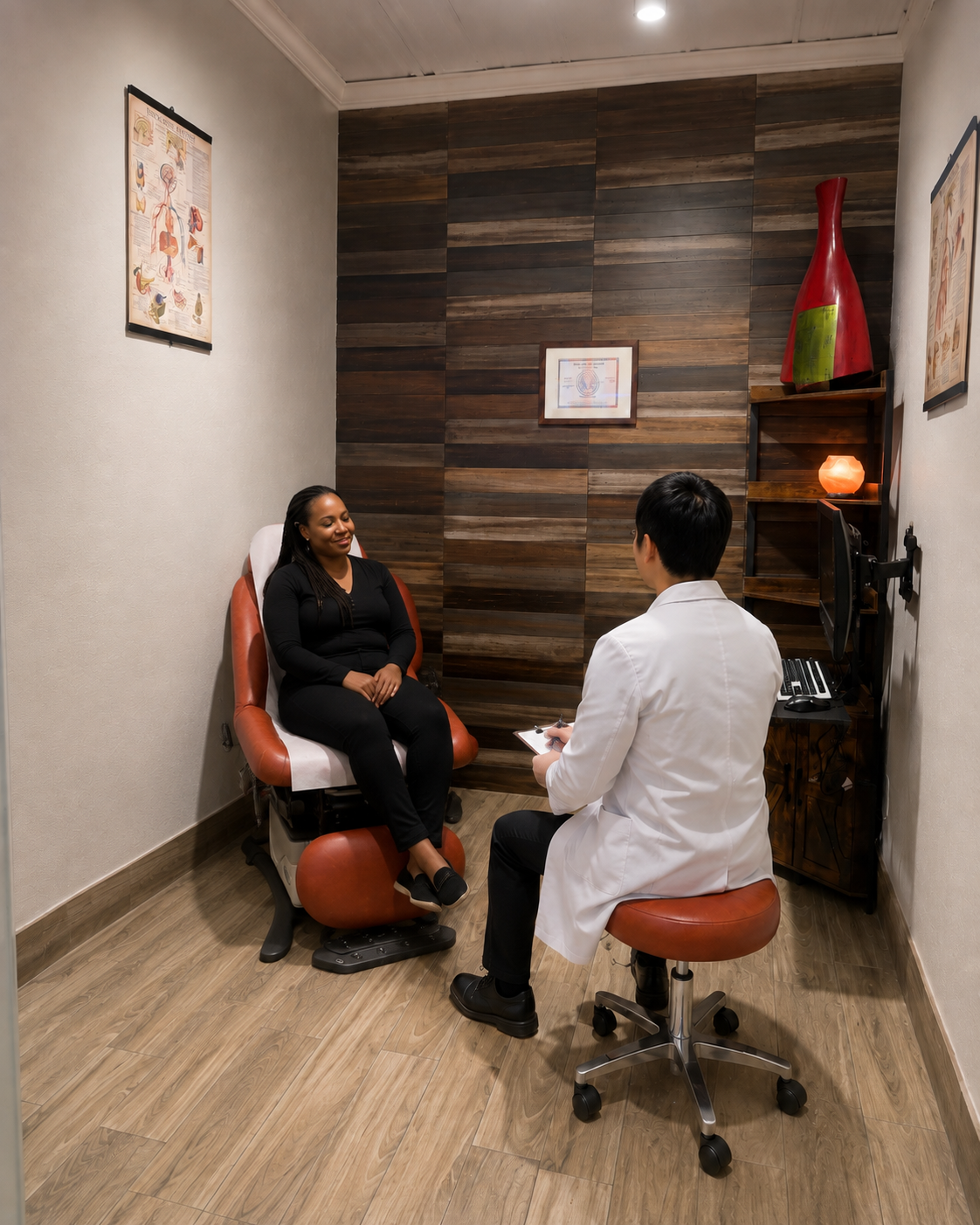
A reputable provider will review your health history and goals before recommending a service. This matters because certain medical conditions, including heart or kidney concerns, can change what is appropriate. Personalized guidance is more valuable than a generic “water weight” promise.
Treatments to Approach Carefully
Diuretic medications, sometimes called water pills, can be medically appropriate for specific conditions, but they are not casual wellness tools. They can affect electrolyte balance, blood pressure, and kidney function. Use them only as directed by a licensed clinician.
The same caution applies to over-the-counter diuretic teas, laxatives, and aggressive cleanses. They may produce temporary changes on the scale, yet can lead to dehydration, digestive upset, and rebound discomfort. If constipation is contributing to bloating, a balanced approach that includes fluids, fiber, movement, and individualized clinical guidance is generally more supportive than harsh shortcuts.
When Swelling Needs Medical Attention
Do not assume every case of water retention is harmless. Seek urgent medical care for sudden swelling in one leg, leg pain or warmth, chest pain, shortness of breath, fainting, coughing up blood, or swelling that comes on quickly. These symptoms can point to serious conditions that need immediate attention.
It is also wise to schedule a medical evaluation if swelling lasts more than a few days without an obvious cause, keeps returning, is getting worse, or occurs alongside changes in urination, significant fatigue, skin discoloration, or unexplained weight gain. If you are pregnant, report sudden or significant swelling to your prenatal provider.
Feeling comfortable in your body is not a luxury - it is a meaningful part of caring for yourself from the inside out.
A More Comfortable Way Forward

The most effective approach to water retention is usually gentle and consistent: hydrate well, move often, eat in a way that supports balance, and give your body room to recover. When swelling is tied to surgery, stubborn discomfort, or a wellness concern that is not improving, personalized professional support can make the path feel far less overwhelming. Feeling comfortable in your body is not a luxury - it is a meaningful part of caring for yourself from the inside out.
Water Retention Treatment FAQs
What are the best treatments for water retention?
For mild, temporary swelling: consistent hydration, less sodium, more potassium-rich foods, regular movement, leg elevation and good sleep. Manual lymphatic drainage can help appropriate candidates, especially after surgery or travel. Persistent swelling needs a medical evaluation.
Does drinking more water reduce water retention?
Often, yes. Drinking too little can encourage the body to hold onto fluid. Sip water consistently through the day rather than chasing an extreme goal; pale-yellow urine is a practical sign you are reasonably hydrated.
Does lymphatic drainage help with water retention?
Manual lymphatic drainage uses light, rhythmic pressure to encourage lymphatic flow and may ease puffiness from surgery, travel or prolonged sitting. After surgery, start only with your surgeon's clearance.
Are water pills or detox teas safe for water retention?
Prescription diuretics are appropriate only as directed by a clinician. Over-the-counter diuretic teas, laxatives and aggressive cleanses can cause dehydration and rebound discomfort rather than healthy relief.
When is swelling a medical emergency?
Seek urgent care for sudden swelling in one leg, leg pain or warmth, chest pain, shortness of breath, fainting or coughing up blood. Swelling that lasts more than a few days without a clear cause also deserves an evaluation.
Where can I get treatment for water retention in The Woodlands?
Detoxity Holistic MediSpa at 329 Sawdust Rd, The Woodlands, TX offers physician-supervised manual lymphatic drainage, Hivamat and IV hydration for clients from The Woodlands, Spring, Conroe and north Houston.
Ready to Feel Lighter and Less Puffy?
Book manual lymphatic drainage at Detoxity Holistic MediSpa, 329 Sawdust Rd, The Woodlands, TX 77380. Call or text 832-745-3320 to schedule, or ask whether a physician visit fits your post-op recovery plan.
Call or Text 832-745-3320
Learn how mild hyperbaric oxygen therapy benefits may support recovery, relaxation, and wellness in a calm, physician-led setting in The Woodlands, TX today.
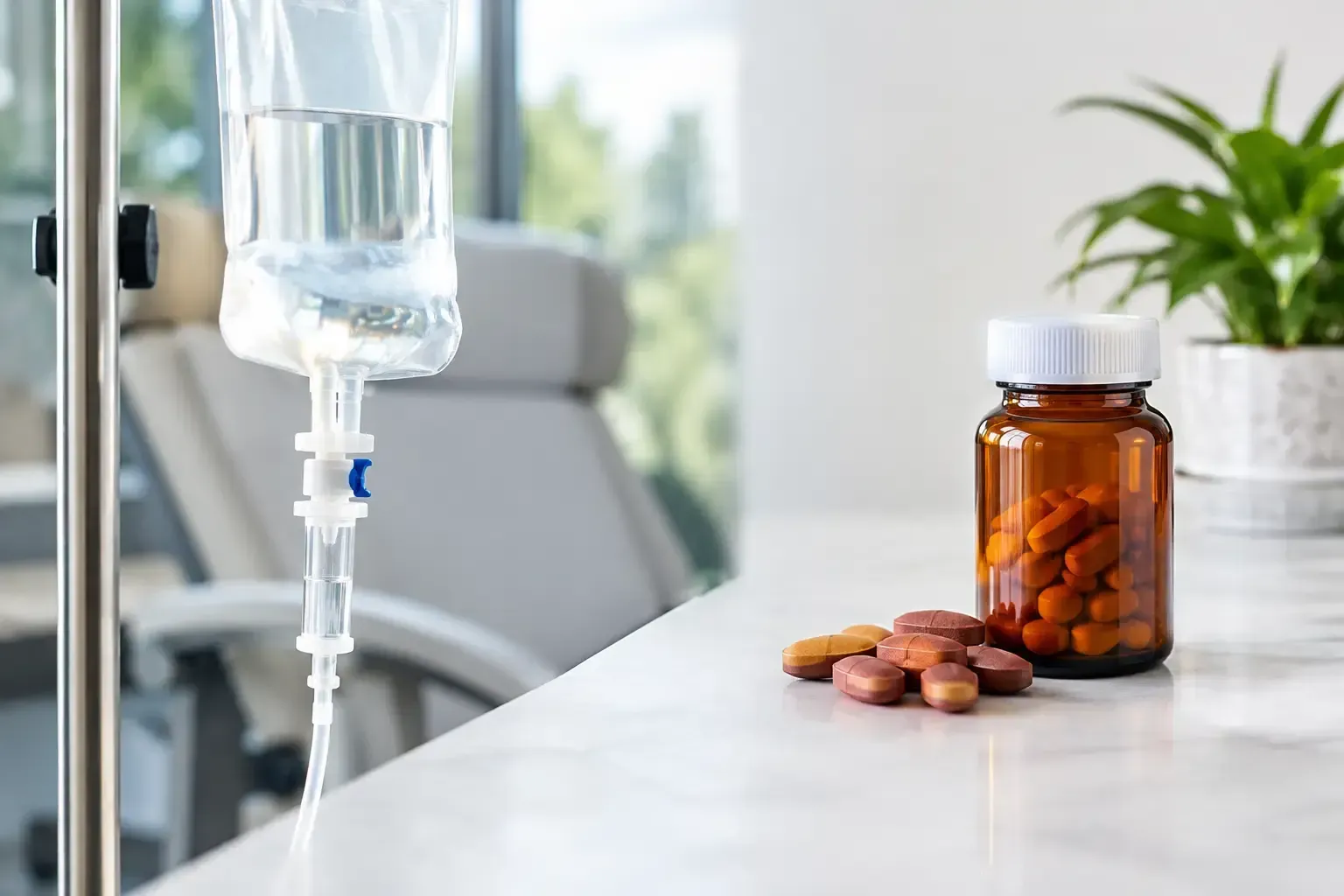
Iron infusion vs iron pills: compare speed, side effects, costs, and candidacy so you can discuss iron deficiency treatment with your clinician first.

No prescription to bring. See how screening works before colon hydrotherapy, who should talk to a doctor first and what to ask before booking in The Woodlands.
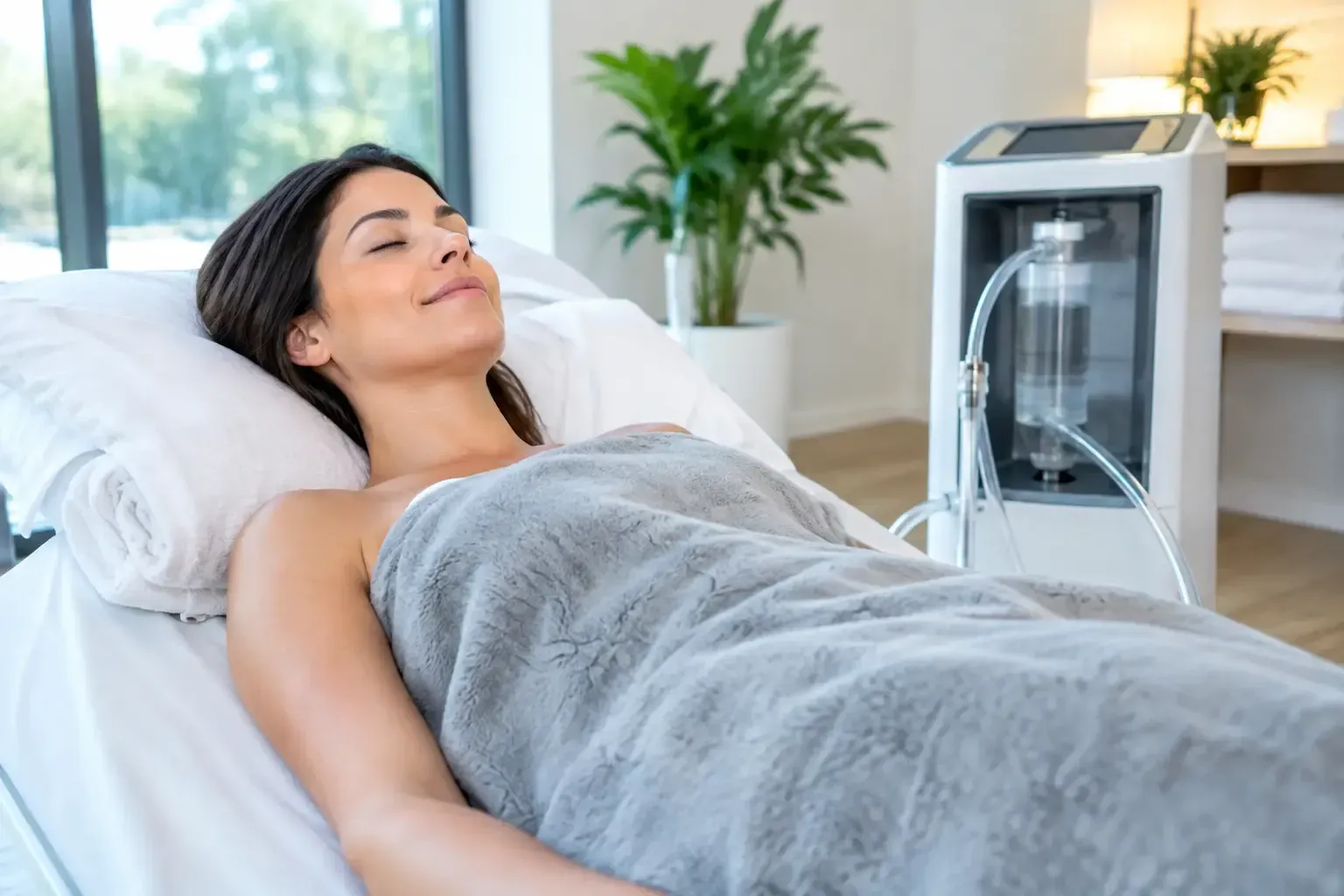
Private colonic rooms, an FDA-cleared system and a calm, judgment-free team. See what to expect and how to prepare for colon hydrotherapy in The Woodlands.
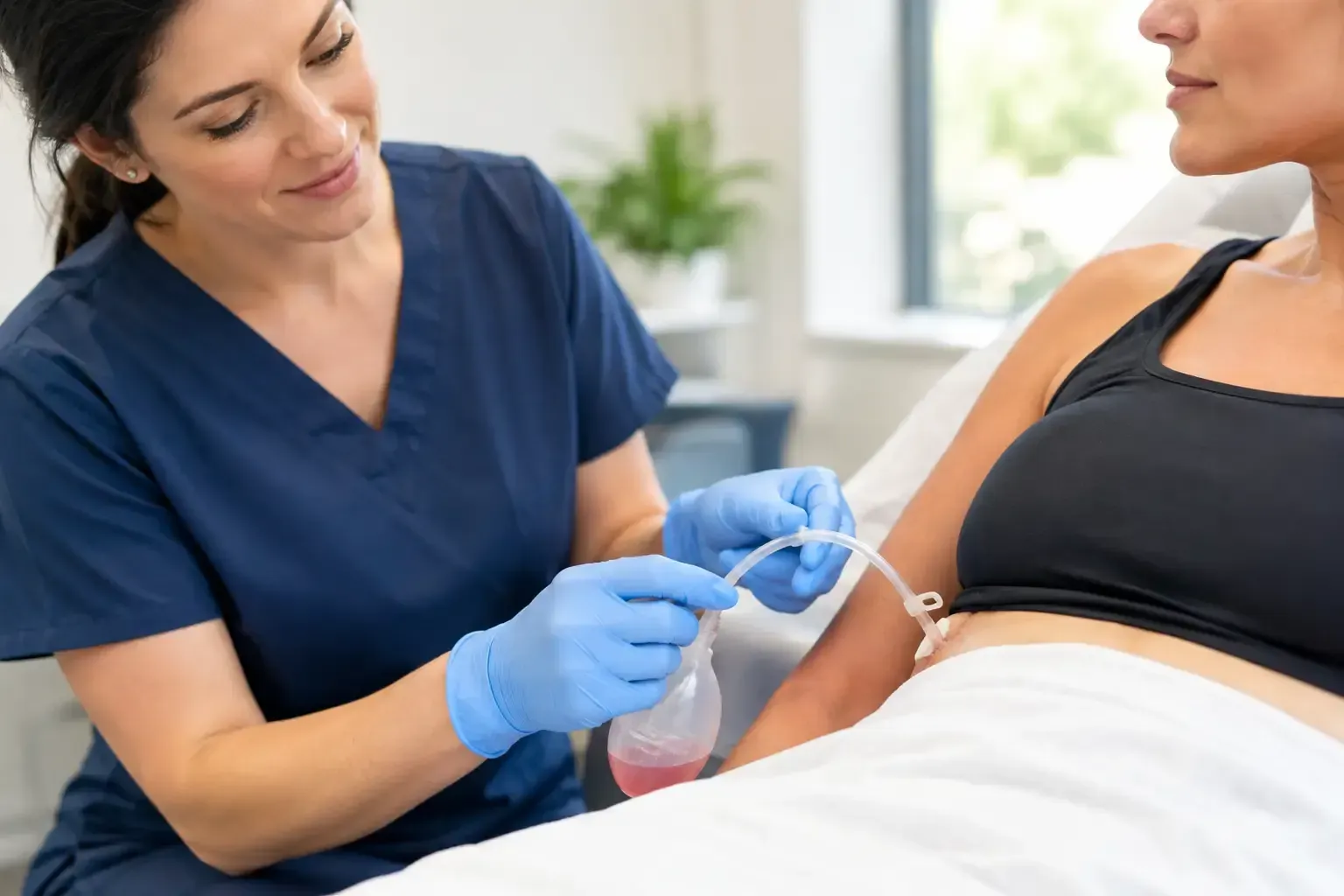
Had surgery out of town? Our medical team can remove surgical drains in The Woodlands. Learn timing, what it feels like and aftercare. Call (832) 745-3320.
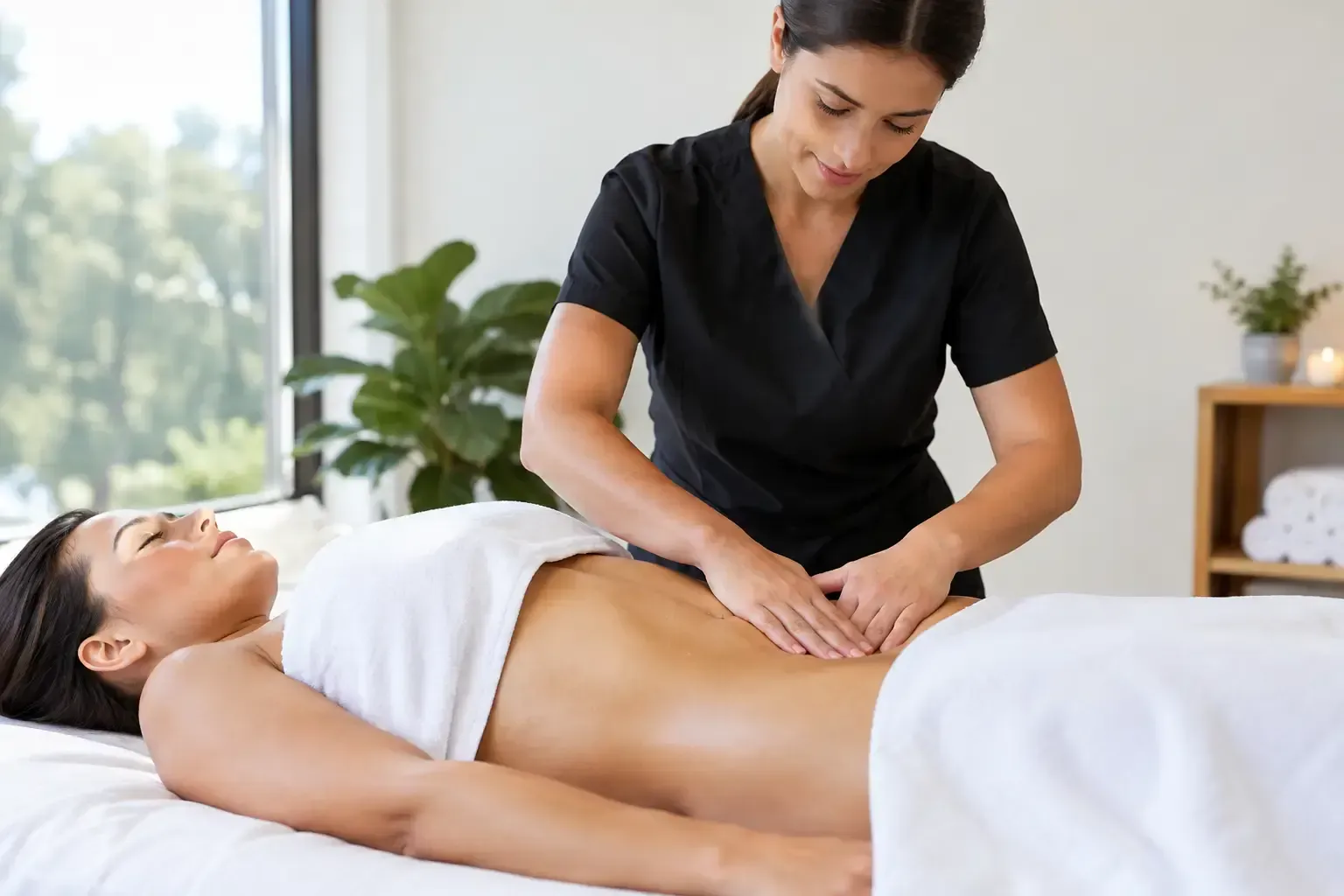
Many lipo clients plan on 6 to 9 lymphatic sessions. See a realistic schedule, what changes your number and when to call your surgeon. Detoxity, The Woodlands.
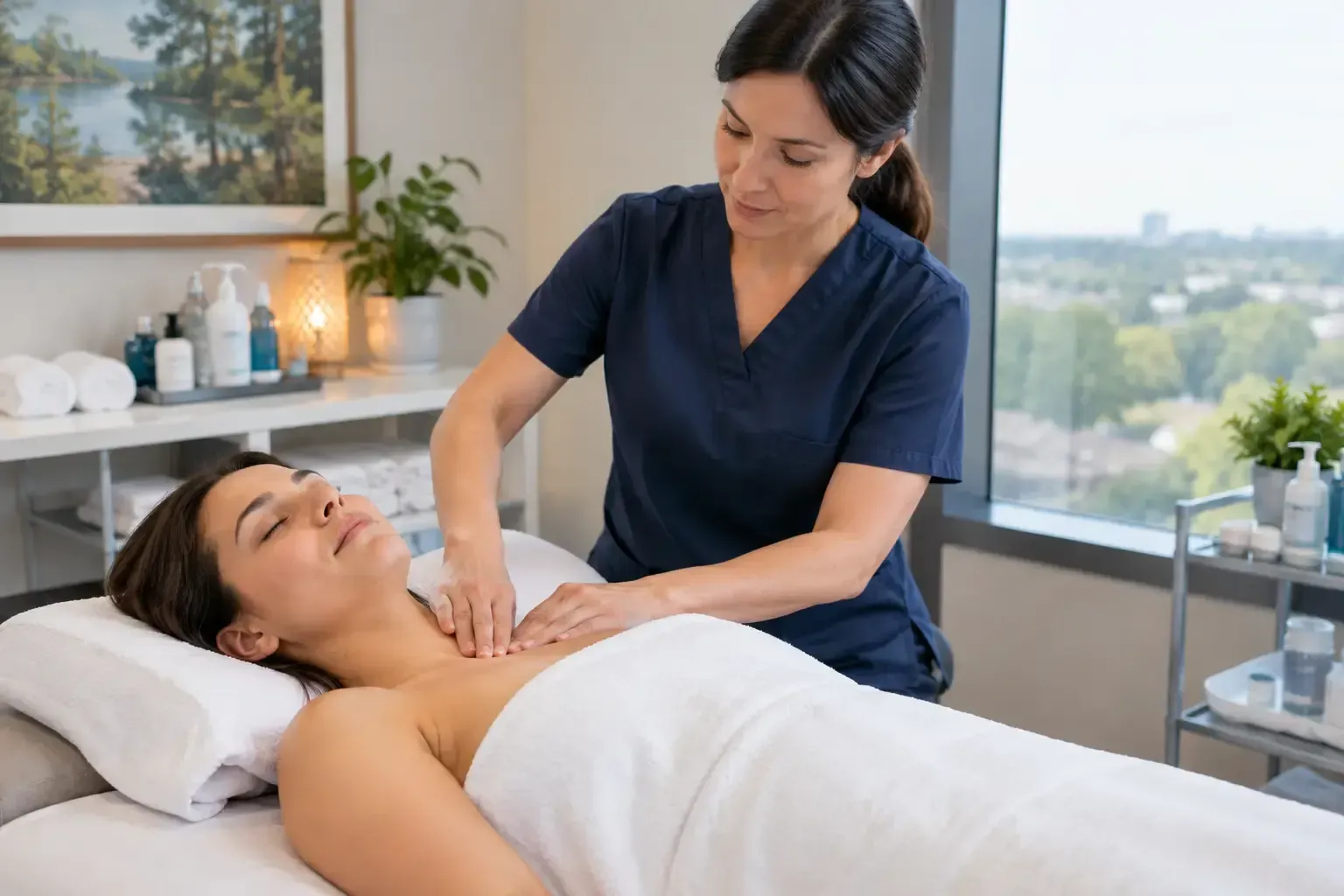
When to start lymphatic massage after a tummy tuck, how it helps swelling around your incision and drains, and what to expect at Detoxity in The Woodlands.
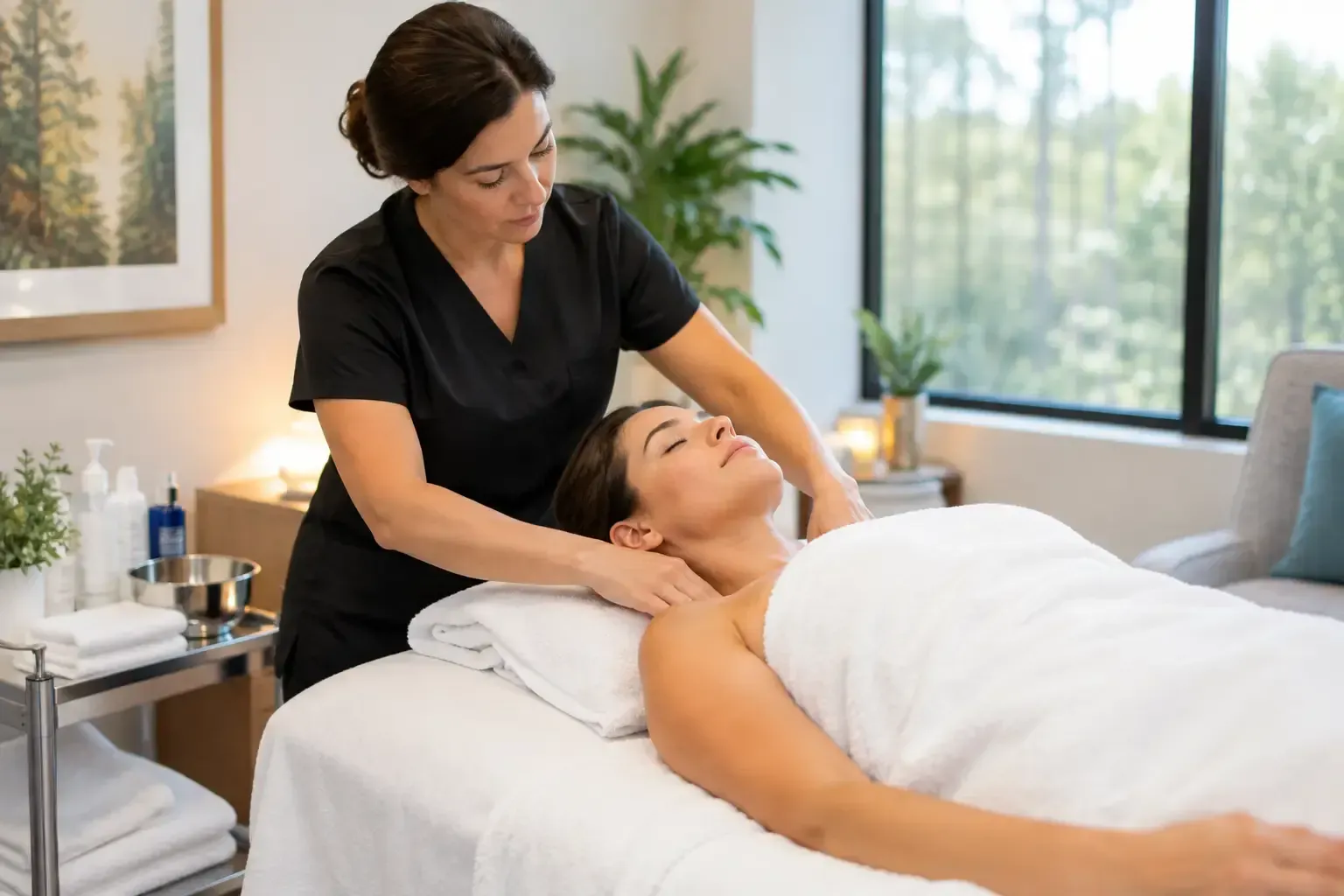
Protect your BBL results with gentle lymphatic massage that respects your fat transfer. When to start, how it feels and how many sessions most clients need.
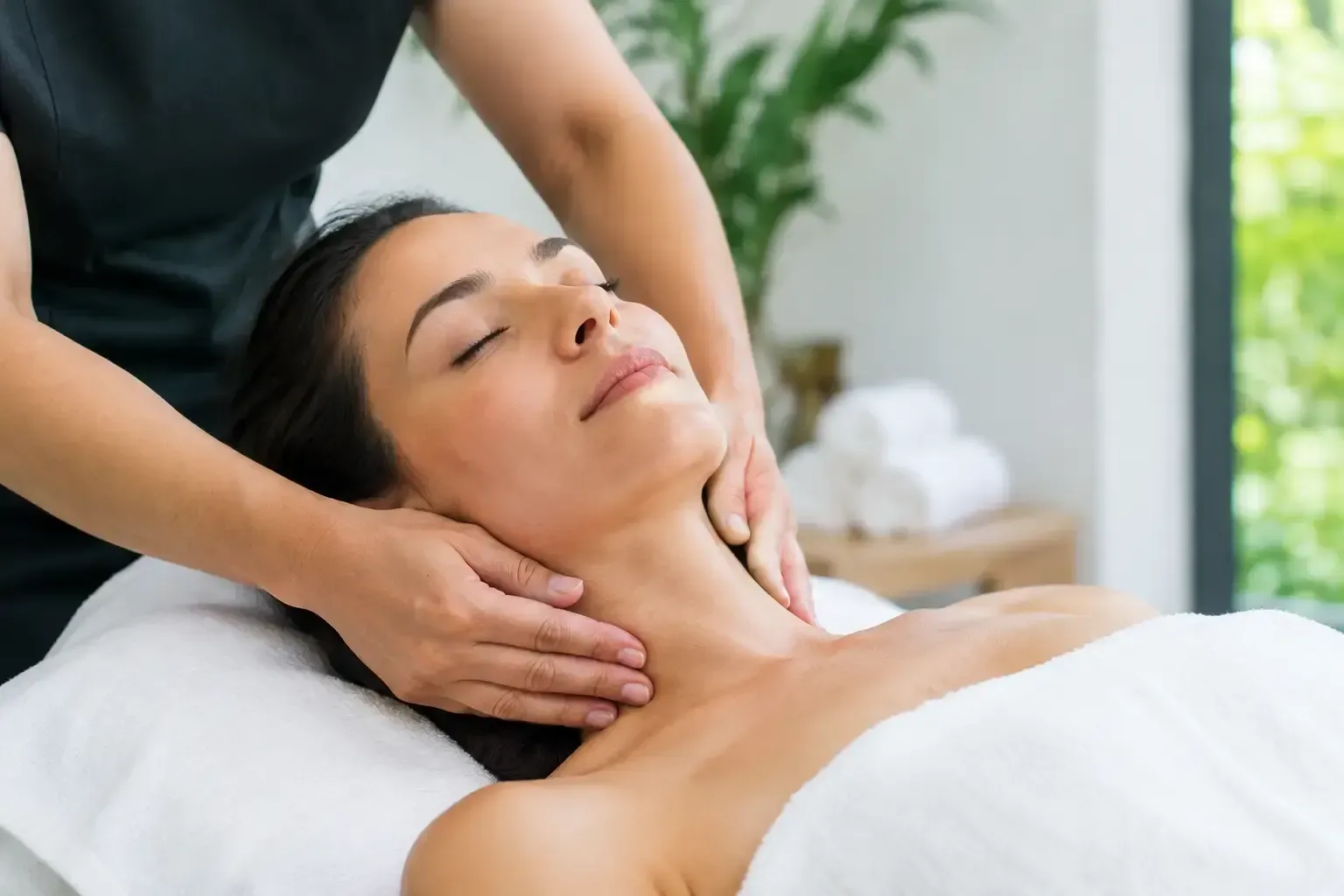
Experience lymphatic drainage massage in The Woodlands, TX with personalized, gentle support for post-op swelling, relaxation, and renewal every visit.

Our guide to wellness drip ingredients explains common IV nutrients, what they may support, and how personalized care protects your comfort and goals.