
832-745-3320

Radial Shockwave for Plantar Fasciitis in The Woodlands, TX
...Because Detoxing Is A Way Of Life
November 18, 2026
Pain Relief
That sharp, first-step pain in the morning can make a short walk to the kitchen feel like a major event. For people in The Woodlands, TX, dealing with persistent heel pain, radial shockwave therapy for plantar fasciitis may offer a non-surgical option when rest, supportive shoes, stretching, and home care have not brought enough relief.
Plantar fasciitis is common, but that does not make it insignificant. When every step is uncomfortable, movement becomes something you brace for instead of enjoy. A thoughtful treatment plan should address not only the heel itself, but also the habits, tissue stress, recovery needs, and whole-body comfort that influence how you feel day to day.
What plantar fasciitis pain can feel like
The plantar fascia is a thick band of connective tissue that runs along the bottom of the foot, connecting the heel bone to the toes. It helps support the arch and absorbs force when you stand, walk, run, or exercise. When this tissue becomes irritated or overloaded, heel pain can develop.
Many people notice their worst discomfort with the first steps after waking up or after sitting for a while. The pain may ease as they move, then return after a long day on their feet. Some describe a stabbing sensation near the inside bottom of the heel; others feel a deep ache, tightness through the arch, or tenderness that makes barefoot walking unpleasant.
Plantar fasciitis can develop for many reasons. Long hours standing, a sudden increase in running or workouts, unsupportive footwear, tight calves, changes in body weight, and altered walking patterns may all contribute. It is also possible for the pain to linger long after the original irritation began, especially when daily activity keeps placing stress on the area.
How radial shockwave therapy for plantar fasciitis works
Radial shockwave therapy uses acoustic pressure waves delivered through a handheld device over the painful area and surrounding tissues. Despite the name, it is not an electric shock. The sensation is more like a rapid, rhythmic tapping or pulsing against the skin.
The goal is to stimulate the body's natural healing response in tissue that has been slow to recover. These pressure waves may help encourage circulation and cellular activity in the treatment area while supporting the remodeling process of irritated soft tissue. For chronic plantar fasciitis, this can be a useful addition to a broader recovery plan.
Radial shockwave therapy is different from focused shockwave therapy. Focused treatments are designed to reach a more precise, deeper target, while radial waves spread more broadly through superficial tissue. Neither approach is automatically better for every person. The right choice depends on the location of your pain, how long symptoms have been present, your health history, and the clinical assessment.
A good provider will not promise an instant cure. Some clients feel a shift after early sessions, while others improve gradually over several weeks as the tissue responds. The aim is meaningful progress: less pain with first steps, more tolerance for walking and exercise, and a return to the activities that help you feel like yourself.
You may feel tenderness or intensity during certain passes, but the setting can be adjusted based on your comfort and response.
What a treatment visit is like
Your visit should begin with a conversation, not just a device. A trained provider will ask where the pain is located, when it began, what makes it worse, what you have already tried, and whether symptoms could point to another concern such as a stress injury, nerve irritation, or tendon issue.
During treatment, gel is applied to help transmit the acoustic waves, and the applicator is moved across targeted areas of the heel, arch, and sometimes the calf or lower leg. Tightness above the foot can affect how the foot absorbs force, so plantar heel pain is not always only a heel problem.
Sessions are generally brief. You may feel tenderness or intensity during certain passes, but the setting can be adjusted based on your comfort and response. A little sensitivity afterward is possible, similar to how a worked muscle may feel after bodywork or exercise. Most people return to normal daily routines soon after, although your provider may recommend temporarily modifying high-impact activities.
Treatment plans often involve a series of appointments rather than one visit. The exact number and spacing should be personalized. People with new, mild symptoms may need a different approach than someone who has dealt with heel pain for months or years.
Who may be a good candidate?
Radial shockwave therapy may be worth discussing if heel pain has continued despite conservative care. It can be especially relevant for someone who has been consistently stretching, wearing more supportive shoes, using orthotics or heel supports, and adjusting activity, yet still feels limited by discomfort.
It is not the first answer for every sore foot. New or severe pain deserves proper evaluation, particularly if you cannot bear weight, have major swelling or bruising, feel numbness or burning, or noticed pain after an injury. These symptoms may require a different type of care.
Your provider should also review whether shockwave therapy is appropriate for you if you are pregnant, take blood-thinning medication, have a bleeding disorder, have reduced sensation in the treatment area, have a known tumor near the area, or have an active infection or wound. Medical conditions and implanted devices should always be discussed before treatment. Personalized guidance matters because the safest plan is never one-size-fits-all.
Getting more from your recovery plan
Shockwave therapy works best when it is part of a practical plan that respects how you live. If your job keeps you on hard floors all day, simply telling you to “rest” may not be realistic. Instead, recovery may include small changes that reduce repeated strain while supporting steady progress.
Supportive shoes with appropriate cushioning and arch support can make a real difference, particularly during long days. Gentle calf and plantar fascia stretches may help reduce tension, but stretching should not be forced through sharp pain. Gradually strengthening the feet, calves, hips, and core can also improve how force travels through the lower body with each step.
Recovery also calls for patience. It is tempting to test the foot with a long walk, a hard workout, or a return to running as soon as pain begins to settle. But tissues generally respond better to a gradual increase in activity. A provider can help you recognize the difference between manageable post-treatment sensitivity and signs that you are doing too much too soon.
At Detoxity MediSpa, the experience is designed to feel clinical enough for confident guidance and calm enough to make recovery feel cared for. For many clients, pain relief is not just about the foot. It is about getting back to morning walks, workouts, errands, travel, and the simple freedom of moving without planning every step around discomfort.
Questions to ask before scheduling
Before beginning treatment, ask how your heel pain will be assessed and whether radial shockwave therapy fits your specific symptoms. Find out what the session may feel like, how many visits are commonly recommended for your situation, what activity changes may help, and when you should expect to reassess progress.
It is also reasonable to ask what happens if your symptoms do not improve. A responsible care plan includes clear next steps, whether that means modifying the treatment approach, checking footwear and biomechanics more closely, or seeking evaluation from a podiatrist or other qualified medical professional.
Heel pain may start small, but it can quietly change how you move through your entire day. If plantar fasciitis has been asking you to slow down, a personalized conversation about radial shockwave therapy may be a supportive next step toward more comfortable movement in The Woodlands, TX.
Ready to Walk Without Heel Pain?
Text or call our Woodlands team to ask whether radial shockwave therapy is a good fit for your plantar fasciitis.
Call (832) 745-3320 Text Us Medical MassageDetoxity — Because Detoxing Is a Way of Life.
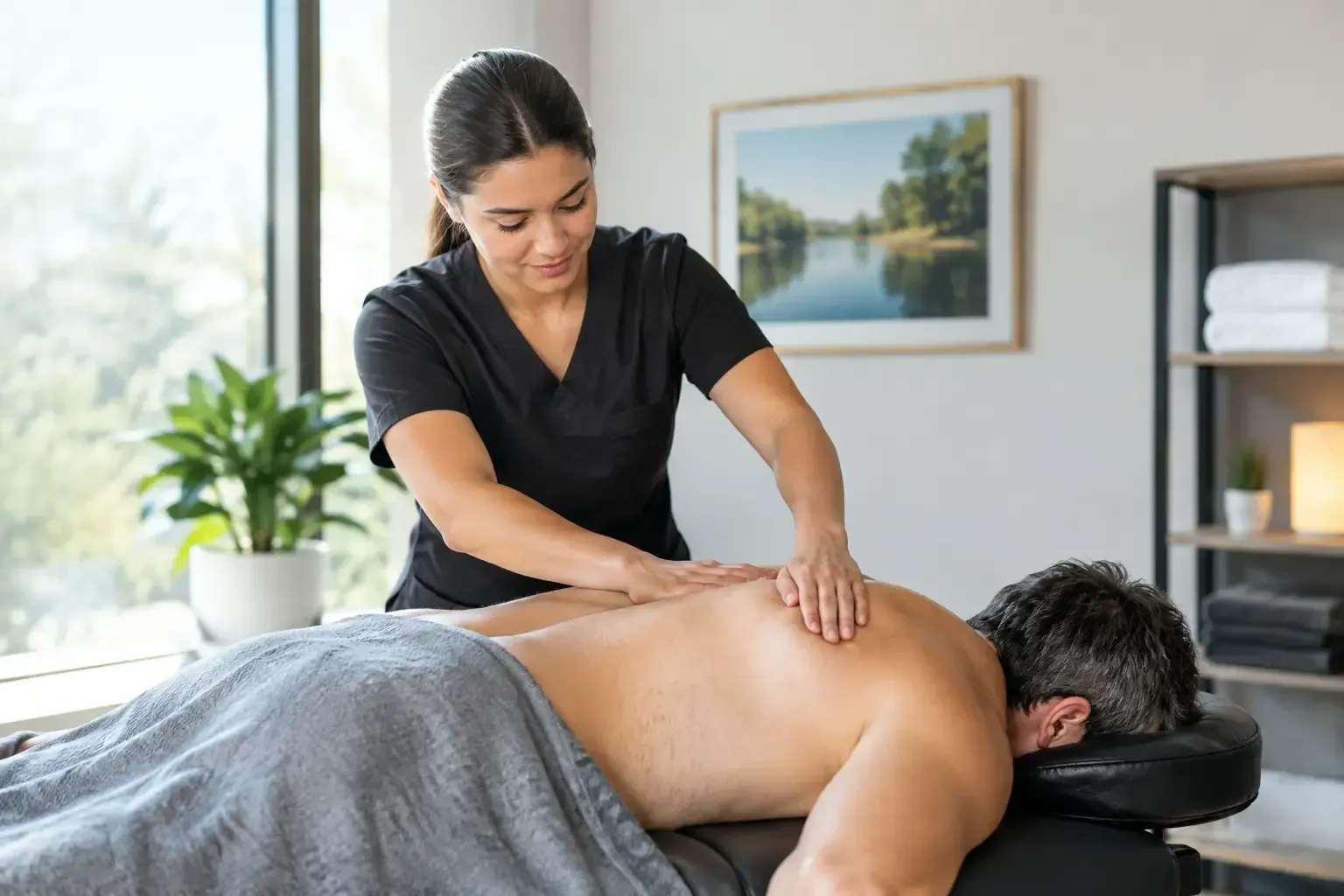
Learn how VA Community Care massage therapy supports recovery, what referral and authorization involve, and where veterans find care in The Woodlands, TX.

Searching for a medispa near Spring TX? Find physician-led IV therapy, recovery care, massage, float therapy, and personalized wellness in The Woodlands.

Considering medical weight loss in The Woodlands, TX? Learn what safe, physician-led care includes, how supportive wellness services fit, and what to ask.

Considering NAD+ IV therapy? Learn what it involves, who may benefit, safety questions, and how medical guidance supports wellness in The Woodlands, TX.

Considering B12 shots in The Woodlands, TX? Learn what they may support, who may benefit, and why medical guidance matters before your first appointment.

Considering eboo vs ozone iv therapy in The Woodlands, TX? Learn how these medically supervised blood-based wellness options differ and what to ask first.

Learn how mild hyperbaric oxygen therapy benefits may support recovery, relaxation, and wellness in a calm, physician-led setting in The Woodlands, TX today.
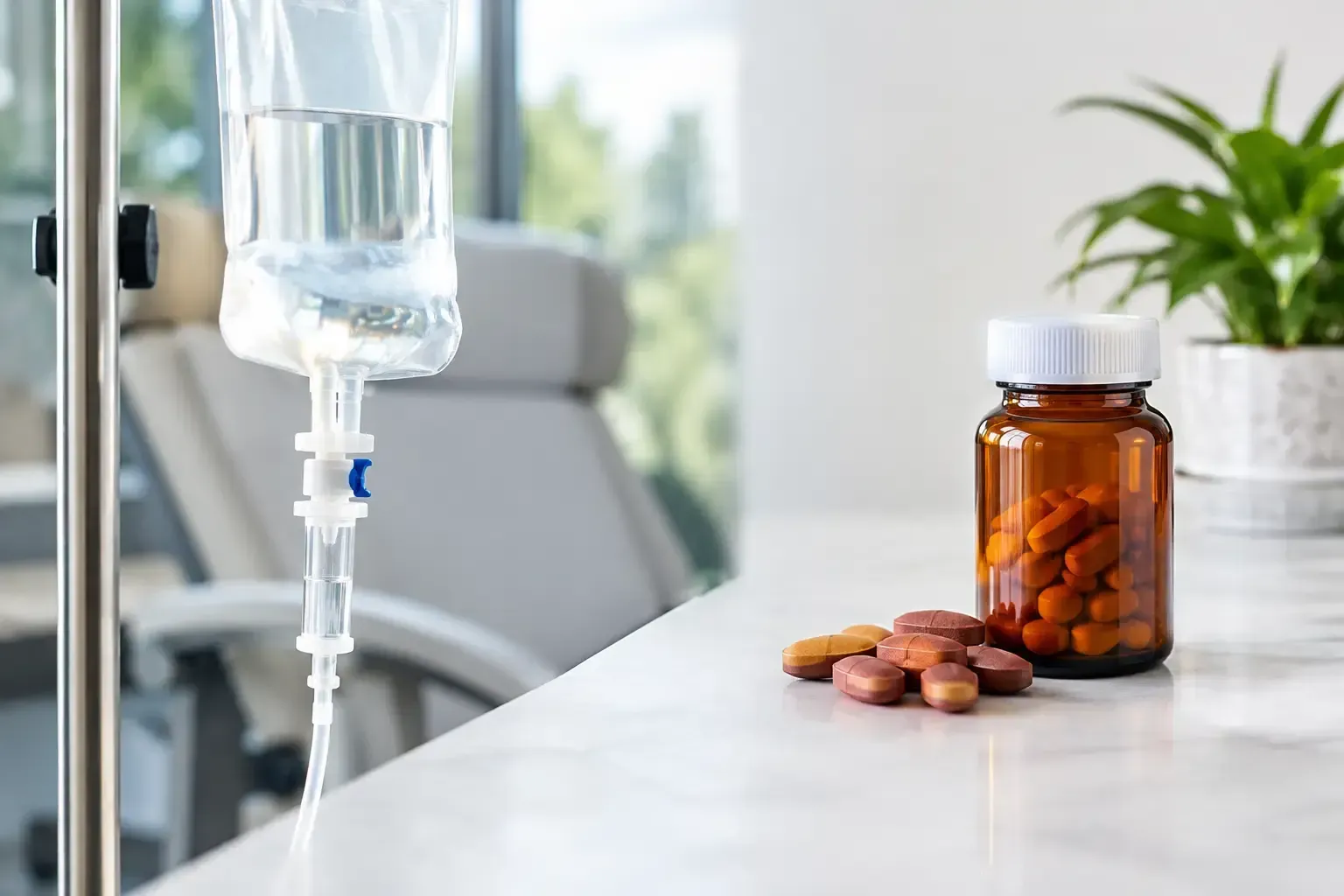
Iron infusion vs iron pills: compare speed, side effects, costs, and candidacy so you can discuss iron deficiency treatment with your clinician first.

No prescription to bring. See how screening works before colon hydrotherapy, who should talk to a doctor first and what to ask before booking in The Woodlands.

Private colonic rooms, an FDA-cleared system and a calm, judgment-free team. See what to expect and how to prepare for colon hydrotherapy in The Woodlands.