

832-745-3320

Medical Weight Loss in The Woodlands, TX
...Because Detoxing Is A Way Of Life
November 21, 2026
Medical Weight Loss
A number on the scale rarely tells the whole story. Stubborn weight changes can be tied to appetite, sleep, stress, hormone shifts, medications, recovery needs, and routines that no longer fit real life. For people seeking medical weight loss in The Woodlands, TX, the most meaningful starting point is not a crash diet. It is thoughtful, physician-led guidance that looks at the person behind the goal.
What Medical Weight Loss Should Actually Mean

Medical weight loss is a personalized approach to weight management overseen by a qualified medical professional. Rather than handing every patient the same meal plan or relying on a one-size-fits-all supplement, a responsible program begins with your health history, current medications, lifestyle, symptoms, and goals.
That distinction matters. Someone who wants to lose weight after a busy, stressful season may need a different plan than someone navigating perimenopause, insulin resistance, limited mobility after surgery, or a long history of dieting. Medical oversight can help identify factors that deserve attention before, during, or alongside a weight-loss plan.
The best care is also honest about the process. There is no therapy, injection, sauna session, or nutrition rule that can promise the same result for every body. Sustainable progress usually comes from a plan you can continue through work obligations, family meals, travel, changing schedules, and the occasional imperfect week.
Starting Medical Weight Loss in The Woodlands, TX

A quality first visit should feel like a conversation, not a sales pitch. Your provider may review your personal and family health history, weight history, medications, sleep patterns, food habits, activity level, stress, and previous attempts to lose weight. Depending on your circumstances, they may recommend lab work or encourage coordination with your primary care provider or specialist.
This assessment helps set safe expectations. For example, a person with certain medical conditions, a history of disordered eating, pregnancy plans, or medications that affect appetite may need a more tailored approach. A good provider will explain when a particular strategy is not appropriate, not simply push forward because weight loss is the stated goal.
From there, the plan may include nutrition guidance, realistic movement goals, sleep and stress support, regular check-ins, and, when clinically appropriate, prescription weight-management medication. Medication can be helpful for some patients, but it is not the right fit for everyone. It also works best when paired with practical habits that support adequate nourishment, hydration, muscle preservation, and long-term maintenance.
Look Beyond the Fastest Result
Rapid change can sound appealing, especially when you are tired of feeling uncomfortable in your clothes or frustrated by years of trying. Yet fast loss is not always the same as lasting progress. Extreme restriction may leave people depleted, preoccupied with food, or more likely to regain weight when normal routines return.
A medically guided plan should prioritize your overall well-being. That may mean adjusting expectations when life is especially demanding, focusing on strength and energy instead of only pounds, or pausing to address side effects. The goal is not to make your life smaller. It is to build a healthier rhythm you can live with.
Depending on your circumstances, they may recommend lab work or encourage coordination with your primary care provider or specialist.
Where Wellness Services Can Fit

Medical weight loss and restorative wellness can work alongside one another, but they are not interchangeable. A spa service should never be presented as a substitute for medical assessment, nutrition support, or appropriate treatment for an underlying health concern.
That said, feeling cared for in your body can make healthy routines easier to maintain. Hydration-focused IV therapy may be a supportive option for eligible clients who are working with a provider and want help maintaining hydration. Therapeutic massage, float therapy, and restorative bodywork may support relaxation and recovery when stress or muscle soreness makes it harder to stay consistent with movement. Manual lymphatic drainage may be valuable for clients with specific recovery needs, particularly after surgery, under appropriate guidance.
At Detoxity MediSpa, the focus is on pairing a calm, welcoming wellness setting with professional guidance, so clients can choose services that align with their personal recovery and self-care goals. These experiences can support how you feel during a lifestyle change, but they should be discussed realistically. They do not replace nutrition, activity, sleep, or medical treatment, and they are not a standalone answer to body-fat loss.
Body sculpting also deserves clear expectations. Some treatments may be designed to address the appearance of targeted areas or complement body-confidence goals, but they are not a replacement for weight management. If your primary goal is a lower number on the scale or improved metabolic health, ask directly which parts of your plan are intended for medical weight management and which are aesthetic or restorative.
Progress Is More Than a Scale Reading

The scale can be useful data, but it is only one measure. Daily weight naturally shifts with hydration, digestion, sodium intake, menstrual cycles, travel, and exercise. Letting a single number determine whether you have had a good or bad week can make the process unnecessarily discouraging.
Consider tracking a broader picture: energy through the afternoon, sleep quality, cravings, strength, waist measurements, how clothes fit, mobility, and confidence in your routines. A provider can help you determine which markers are most relevant to your health history.
It is also wise to plan for plateaus. Plateaus are not proof that you have failed or that your body is broken. They are a normal reason to reassess food intake, activity, sleep, medication response, stress, and expectations with your care team. Small adjustments are often more sustainable than a dramatic reset.
Questions to Ask Before You Commit
Before choosing a medical weight-loss program, ask who will oversee your care and how often you will have follow-up support. Ask whether the program reviews your medications and health history, what the full cost includes, and how progress will be monitored beyond weigh-ins.
If medication is recommended, ask why it may fit your situation, what side effects to watch for, how dosing is managed, and what happens if you decide it is not right for you. You should also ask how the program approaches maintenance. Reaching a goal is one phase of care; maintaining it is another.
Finally, pay attention to how the conversation makes you feel. You deserve care that is respectful, clear, and free from shame. A trustworthy team will make room for your questions, explain trade-offs, and help you set goals grounded in health rather than pressure.
If you are considering medical weight loss in The Woodlands, TX, give yourself permission to choose a plan that supports more than a quick transformation. The right next step is one that helps you feel informed, cared for, and steadily more at home in your body.
Start Your Medical Weight Loss Plan
Text or call our Woodlands team to ask about medical weight loss and what your first visit looks like.
Call (832) 745-3320 Text Us Medical Weight LossDetoxity — Because Detoxing Is a Way of Life.

Learn how VA Community Care massage therapy supports recovery, what referral and authorization involve, and where veterans find care in The Woodlands, TX.

Searching for a medispa near Spring TX? Find physician-led IV therapy, recovery care, massage, float therapy, and personalized wellness in The Woodlands.

Considering NAD+ IV therapy? Learn what it involves, who may benefit, safety questions, and how medical guidance supports wellness in The Woodlands, TX.

Considering B12 shots in The Woodlands, TX? Learn what they may support, who may benefit, and why medical guidance matters before your first appointment.
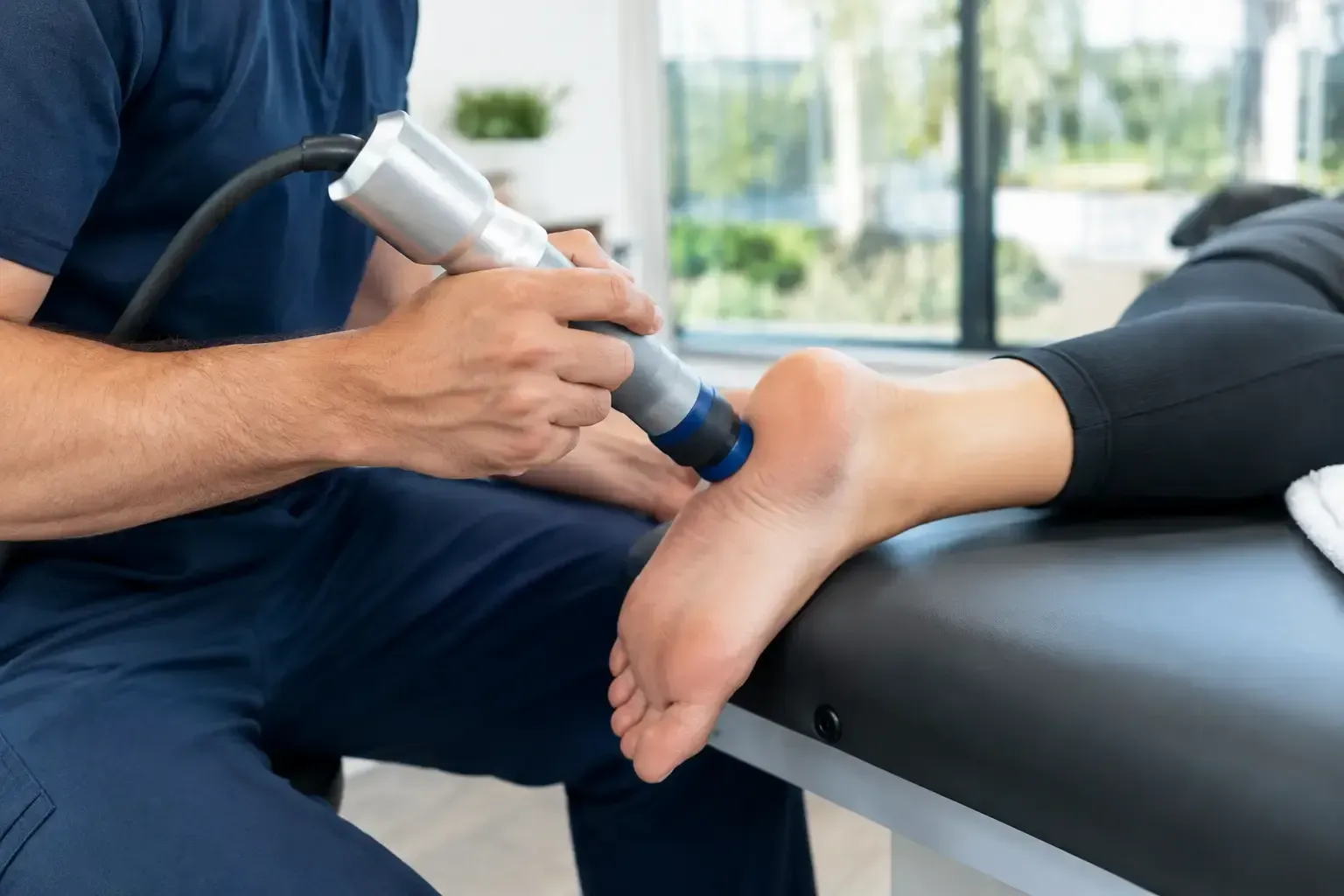
Considering radial shockwave therapy for plantar fasciitis? Learn how it works, who may benefit, and what to expect during a personalized visit today.

Considering eboo vs ozone iv therapy in The Woodlands, TX? Learn how these medically supervised blood-based wellness options differ and what to ask first.

Learn how mild hyperbaric oxygen therapy benefits may support recovery, relaxation, and wellness in a calm, physician-led setting in The Woodlands, TX today.

Iron infusion vs iron pills: compare speed, side effects, costs, and candidacy so you can discuss iron deficiency treatment with your clinician first.

No prescription to bring. See how screening works before colon hydrotherapy, who should talk to a doctor first and what to ask before booking in The Woodlands.

Private colonic rooms, an FDA-cleared system and a calm, judgment-free team. See what to expect and how to prepare for colon hydrotherapy in The Woodlands.