
832-745-3320

Postoperative Care Innovations in The Woodlands, TX
October 25, 2026
The first days after surgery can feel surprisingly unlike the before-and-after photos or procedure plans. Swelling, stiffness, fatigue, limited mobility, and the need to follow detailed instructions all compete for attention. For clients in The Woodlands, TX, postoperative care innovations are making that stretch of recovery feel more supported, more comfortable, and less isolating - without replacing the guidance of their surgeon.
Recovery is not about rushing the body. It is about giving it the right conditions to rest, circulate, hydrate, and gradually return to normal movement. The most meaningful advances in post-surgical support combine clinical awareness with hands-on comfort, helping each client feel cared for from the inside out.
WHY POST-SURGICAL SUPPORT HAS CHANGED
Not long ago, many people were sent home after a cosmetic or body procedure with instructions, medications, compression garments, and a follow-up date. Those directions remain essential. But today's recovery experience often includes a more personalized support plan between surgical
appointments.
That shift matters because no two recoveries look identical. A mommy makeover, liposuction, breast reduction, tummy tuck, or other body procedure can involve different healing timelines, mobility restrictions, and levels of swelling. A care plan that feels appropriate for one person may not suit another. The goal is not to add treatments for the sake of doing more. It is to choose services that complement the surgeon's instructions and respect where the body is in the healing process.
Modern recovery care also recognizes the emotional side of healing. Clients may feel impatient, uncomfortable in their compression garments, or uncertain about whether what they are experiencing is normal. A calm, knowledgeable setting can provide practical support while reminding them that recovery has its own pace.
POSTOPERATIVE CARE INNOVATIONS THAT CENTER THE WHOLE PERSON
PHYSICIAN-GUIDED WELLNESS SUPPORT
One of the most valuable developments in the wellness space is greater coordination between
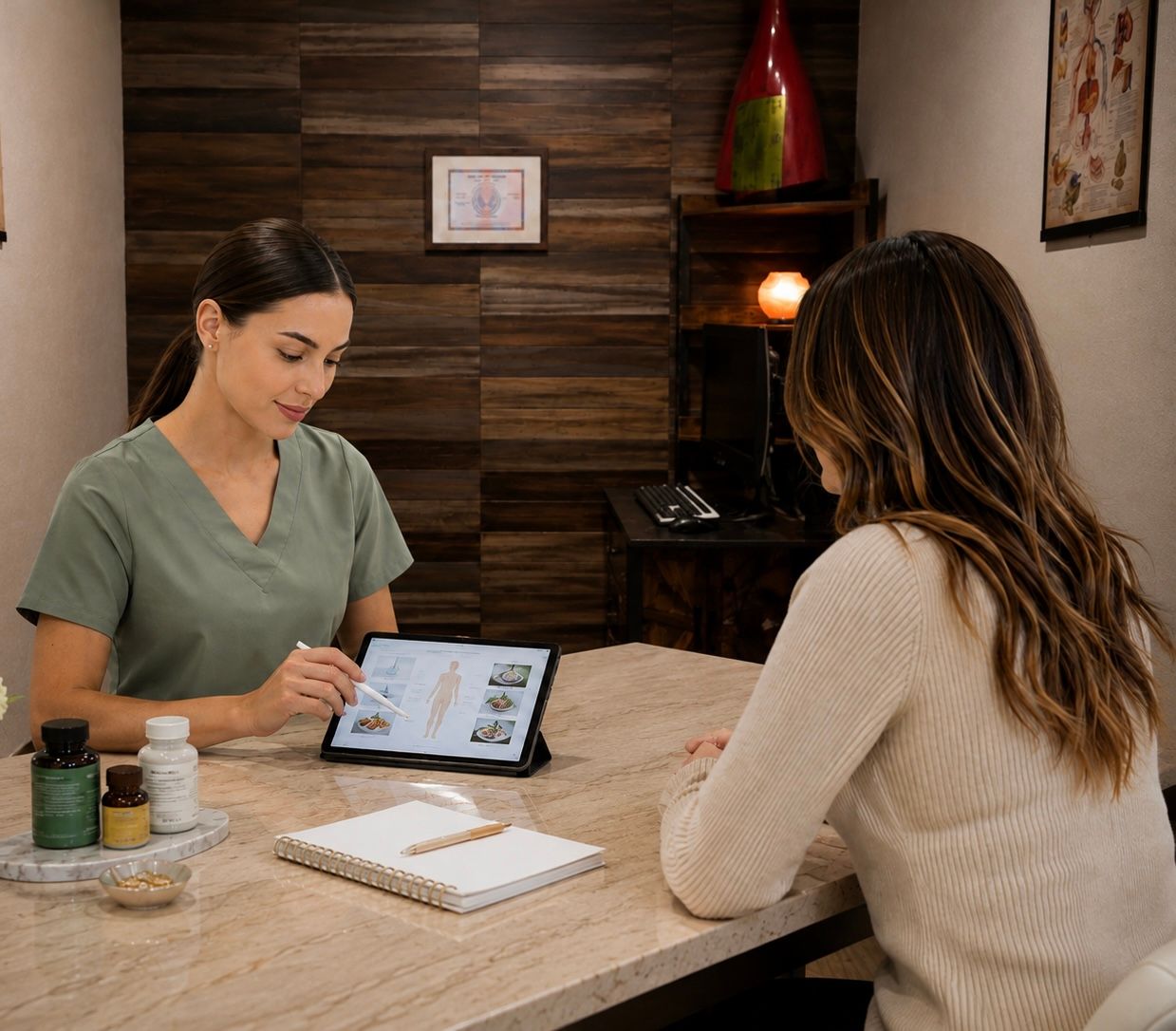
medically informed care and restorative therapies. For post-op clients, this means services should begin with a thoughtful conversation about the procedure, the date of surgery, current symptoms, medications, restrictions, and the surgeon's aftercare guidance.
Physician oversight does not mean a wellness center replaces a surgical team. It means the recovery experience can be approached with appropriate caution, clear communication, and a better understanding of when a client needs to contact their surgeon instead. New or worsening pain, fever,
shortness of breath, unusual drainage, increasing redness, or other concerning changes should always be directed to the surgical provider promptly.
At Detoxity, that coordination is built in. Care is physician-supervised with a physician on site, and post-op clients can book a physician visit during recovery. We don't guess, we test, so when questions come up the on-site physician can order labs, while concerning symptoms still go straight to your surgical team.
MANUAL LYMPHATIC DRAINAGE WITH A POST-OP FOCUS
Manual lymphatic drainage is one of the best-known supportive services in modern post-surgical recovery. This gentle, specialized technique is designed to encourage fluid movement through the lymphatic system. Following certain procedures, it may support comfort and help clients manage the feeling of fullness or swelling that can accompany healing.
The word "gentle" is key. Post-surgical lymphatic work is not the same as a deep-tissue massage, and more pressure is not better. Timing, technique, and the client's stage of recovery all matter. An experienced provider will adapt the session to the surgeon's protocols, the areas involved, and the client's tolerance rather than applying a one-size-fits-all approach.
For many clients, these appointments offer more than a treatment. They create a consistent check-in point during a period when the body can feel unfamiliar. That reassurance can be deeply grounding.
HYDRATION THAT FITS RECOVERY NEEDS
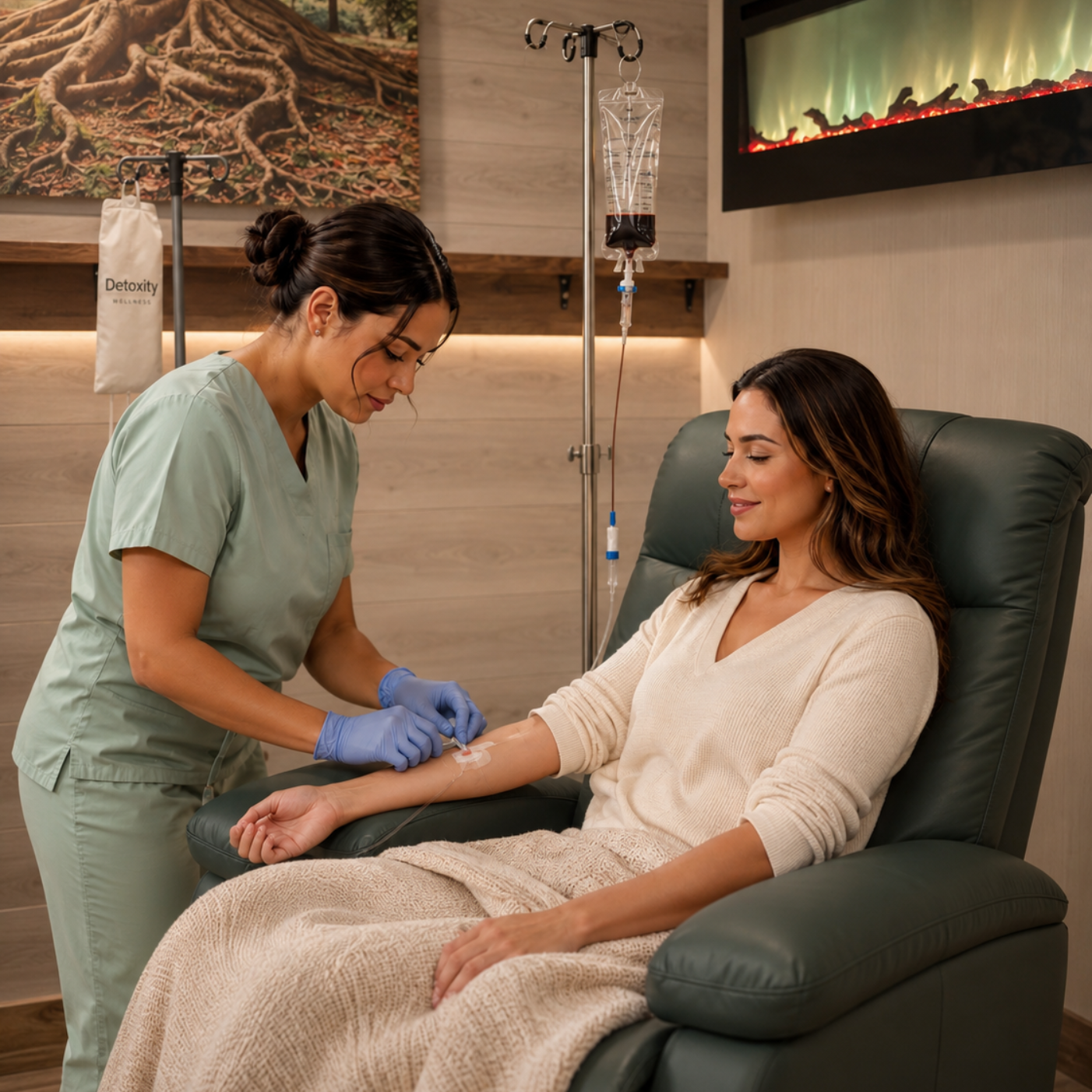
Adequate hydration supports normal body function every day, but it can feel especially challenging after surgery. Appetite may be lower, mobility may be limited, and clients may simply be tired of keeping up with water intake. Physician-guided IV therapy [keep link] is a modern option some clients consider as part of a broader wellness plan, particularly when oral hydration has been difficult.
However, IV therapy is not automatically right after every procedure or for every person. Medical history, medications, surgical instructions, and current symptoms should guide the decision. A responsible recovery provider will screen carefully, explain the plan, and encourage clients to seek direct medical advice when symptoms suggest a post-operative concern rather than routine fatigue.
COMFORTABLE SPACES THAT REDUCE RECOVERY STRESS
Innovation is not always a new machine or a complicated protocol. Sometimes it is a recovery environment designed around the reality that post-op clients may need extra pillows, unhurried transitions, privacy, and providers who understand how difficult it can be to get comfortable.
A spa-like setting can make specialized recovery support feel less clinical and more restorative, but comfort should never come at the expense of safety. The best environments balance both: thoughtful amenities, clear sanitation practices, trained practitioners, and a calm atmosphere that gives clients room to exhale.
THE TRADE-OFF: MORE CARE IS NOT ALWAYS BETTER CARE
It is easy to assume that booking every available wellness service will speed up healing. In reality, timing and appropriateness matter more than volume. Early recovery may call for rest, short walks as directed, hydration, compression, and very specific surgical aftercare. Later phases may allow for more supportive bodywork or restorative services, depending on clearance from the surgeon.
Some modalities are simply not appropriate immediately after surgery. Heat-based services, intense massage, strenuous movement, and certain body treatments may need to wait. This is why honest screening is part of quality care. A provider who recommends pausing, modifying, or delaying a service is protecting the recovery process.
Clients should also be cautious about guaranteed claims. No wellness treatment can promise a particular surgical result, eliminate all swelling, or replace professional medical follow-up. Healing is influenced by the procedure, individual health history, nutrition, sleep, movement, and adherence to the surgeon's plan.
BUILDING A RECOVERY PLAN THAT FEELS PERSONAL
A strong post-op plan starts before the first recovery appointment. Keep your surgeon's written instructions accessible, know which symptoms require a call to the surgical office, and ask when supportive services such as lymphatic drainage may be appropriate. If you are arranging care from a wellness provider, share accurate information about your procedure and recovery status.
It can also help to schedule support realistically. The first week after surgery may feel very different from week three. Build in flexibility rather than assuming every appointment will follow a fixed calendar. If swelling increases after activity, sleep is poor, or you are feeling depleted, that information should shape the conversation.
At Detoxity MediSpa, the focus is on giving recovery clients a welcoming place to receive personalized, medically mindful support. Whether a client is seeking post-surgical lymphatic drainage, hydration support, or a restorative service later in recovery, the experience should feel attentive rather than rushed.
Why clients in The Woodlands choose Detoxity for post-op recovery:
- Physician-supervised care, with a physician on site and physician visits available for post-op clients
- A lymphatic team led by a certified lymphedema therapist (CLT) who is also a Texas-licensed massage therapist
- Enhanced manual lymphatic drainage, plus Hivamat deep oscillation for gentle lymphatic work
- Surgical drain removal and help with compression garments, especially for clients who had surgery out of town
- Spa and medical packages and memberships, with financing available

QUESTIONS WORTH ASKING BEFORE YOU BOOK
Before choosing a post-op wellness provider, ask whether they have experience with your type of procedure and how they adapt care to surgical restrictions. Ask what information they need from your surgeon, how they screen for concerns, and what they do if your symptoms fall outside normal wellness support.
You should also ask what a session will actually feel like. A clear explanation of pressure, positioning, expected comfort level, and aftercare helps clients arrive with confidence. If an answer feels vague or a provider pressures you to book a large package before understanding your needs, it is reasonable to pause.
The most thoughtful postoperative care innovations are not about doing recovery perfectly. They are about bringing informed guidance, restorative comfort, and practical support to a vulnerable season of healing. If you are planning your recovery in The Woodlands, TX, choose care that honors your surgeon's directions while helping you feel seen, supported, and patiently cared for along the way.
Planning your post-op recovery?
Visit Detoxity Holistic MediSpa, 329 Sawdust Rd, The Woodlands, TX 77380. Call or text
832-745-3320 to book post-surgical lymphatic drainage or a physician visit for your
recovery.
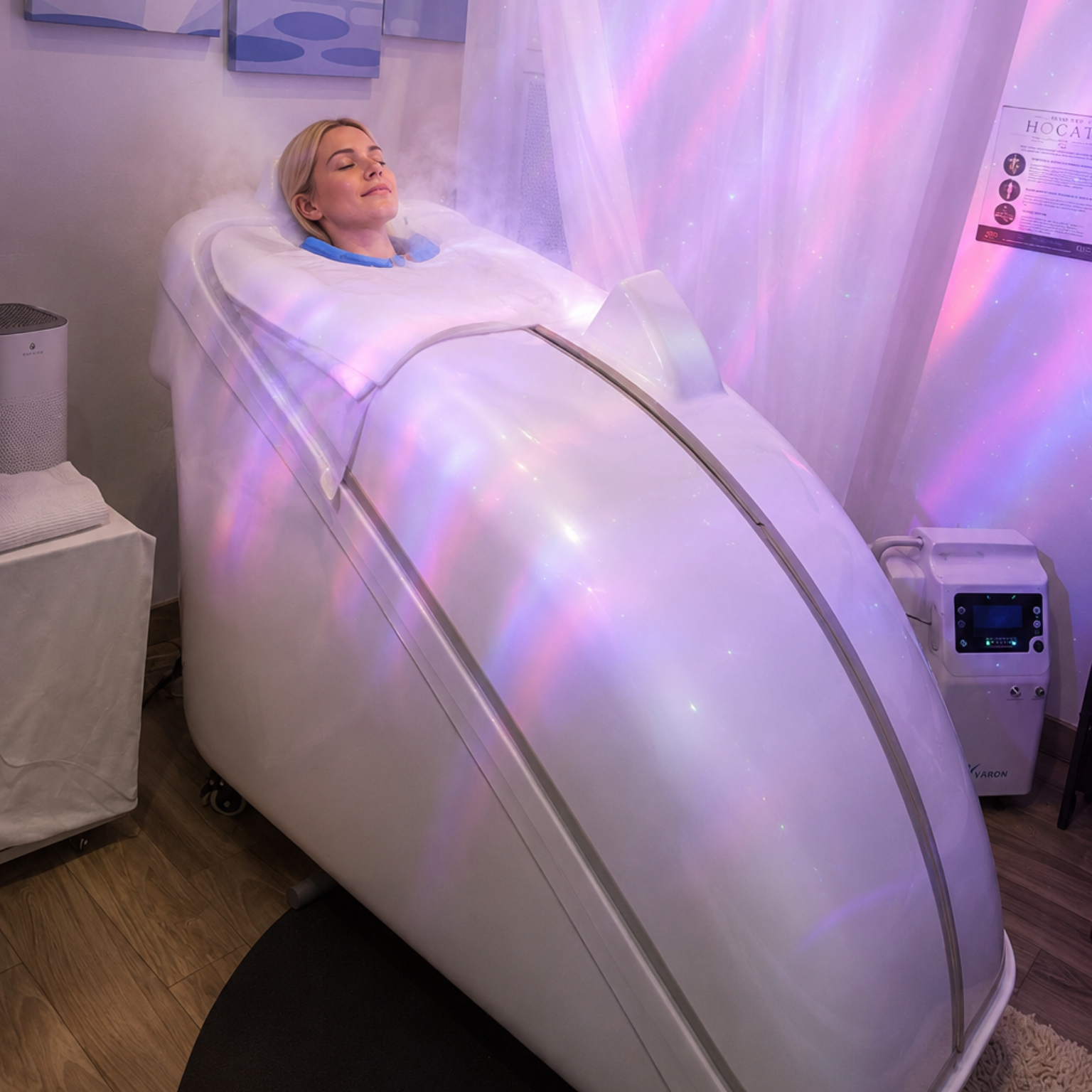
See what a physician-supervised detox spa in The Woodlands, TX offers: IV hydration, lymphatic drainage, colonics, HOCATT sauna, and float at Detoxity.

Colonic vs enema: how they differ in reach, comfort, setting and safety, and how to choose. Colon hydrotherapy in The Woodlands, TX.

What recovery massage testimonials can tell you, from post-op care to stress relief, and what to ask before booking in The Woodlands, TX. (137
Explore medical wellness spa packages in The Woodlands, TX: post-op lymphatic care, IV therapy, float, massage and more, with physician supervision.

Ozone therapy explained: EBOO vs HOCATT, safety, research and what to ask. Physician-supervised ozone care at Detoxity in The Woodlands, TX.

the perfect spa gift!

Ultimate spa STRESS RELIEF
Plan a calmer healing period with top post liposuction recovery essentials, from compression and hydration to personalized, surgeon-approved supportive care.

Wondering if EBOO therapy hurts? Learn what a session really feels like, how to prepare and why physician supervision matters at Detoxity in The Woodlands.

Training hard in the Texas heat? Learn which IV drips help athletes recover, when IV hydration makes sense and how Detoxity personalizes every drip.